Search Results for numbering
Explore AI generated designs, images, art and prompts by top community artists and designers.


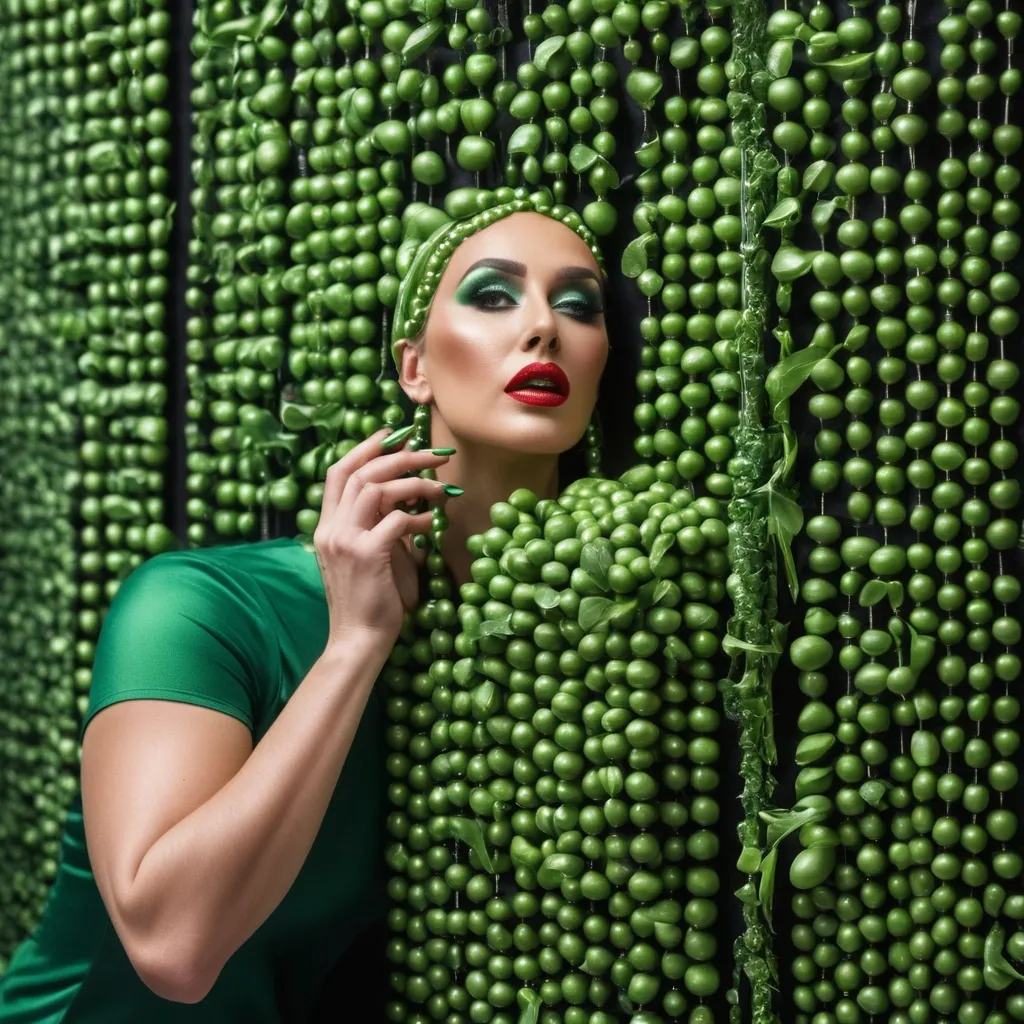
TITLE: DROPS MEDIUM: drop SPATIAL MECHANISM: optical reveal SUBJECT: young beautiful East Asian woman in magnificent Tang dynasty MAIN COLOR: water drop FORMAT: 9:16 vertical poster Create a contemporary volumetric perspective typography poster where the main word exists through elements distributed across real three-dimensional space rather than on a flat surface. Build the word from the chosen medium: suspended threads , layered Water drops. Individual elements should appear fragmented or abstract from other viewpoints , but align into one bold , readable word from the intended camera position. Keep space foreground , with background depth. The typography should dominate roughly 35–55% of the composition while still revealing how the spatial structure creates it. For drops , build each letter from lines at different depths. If a person is included , keep them small and use them mainly as a scale reference , with low-angle forced-perspective composition: she is seated on the ground , both hands firmly gripping the gun , the enormous gun barrel extending from the bottom-center foreground toward her face , muzzle pointed straight into the lens , intense direct eye contact , dramatic foreground barrel blur. If a person is included , keep them small and use them mainly as a scale reference , with realistic occlusion between the subject and the spatial elements. Overall style: perspective typography , volumetric installation , spatial graphic design , contemporary exhibition art , clean hierarchy and strong visual impact. Avoid flat printed text , ordinary 3D letters , weak depth , random distortion , neon sci-fi styling , excessive filler copy , cluttered backgrounds , watermarks and numbering. ,

OBJECT SHAPE: Statue of lord Ganesha MEDIUM: points SPATIAL MECHANISM: depth SUBJECT: small mature man MAIN COLOR: Orange to yellow FORMAT: 1:1 vertical poster Create a contemporary volumetric perspective shape poster where the main object exists through elements distributed across real three-dimensional space rather than on a flat surface. Build the shape from the chosen medium: physical points. Individual elements should appear fragmented or abstract from other viewpoints , but align into one bold , visual shape from the intended camera position. Keep clear foreground , otherworldly city street with background depth. The shape structure should dominate roughly 35–55% of the composition while still revealing how the spatial structure creates it. For points , use suspended objects to form volumetric dots shapes. Overall style: perspective shape structure , volumetric installation , spatial graphic design , contemporary exhibition art , clean hierarchy and strong visual impact. Avoid flat printed text , ordinary 3D shapes , weak depth , random distortion , neon sci-fi styling , excessive filler copy , cluttered backgrounds , watermarks and numbering. ,

OBJECT SHAPE: flying Eagle MEDIUM: points SPATIAL MECHANISM: depth SUBJECT: small human figure MAIN COLOR: blue FORMAT: 9:16 vertical poster Create a contemporary volumetric perspective shape poster where the main object exists through elements distributed across real three-dimensional space rather than on a flat surface. Build the shape from the chosen medium: suspended threads , physical points , beams of light , layered line grids , or another spatial system. Individual elements should appear fragmented or abstract from other viewpoints , but align into one bold , visual shape from the intended camera position. Keep clear foreground , midground and background depth. The shape structure should dominate roughly 35–55% of the composition while still revealing how the spatial structure creates it. For points , use suspended objects to form volumetric dots shapes. If a person is included , keep them small and use them mainly as a scale reference , with realistic occlusion between the subject and the spatial elements. Use one strong accent color with a restrained architectural palette. Add only minimal editorial information such as project name , location , date and one short thematic line. Overall style: perspective shape structure , volumetric installation , spatial graphic design , contemporary exhibition art , clean hierarchy and strong visual impact. Avoid flat printed text , ordinary 3D shapes , weak depth , random distortion , neon sci-fi styling , excessive filler copy , cluttered backgrounds , watermarks and numbering. ,
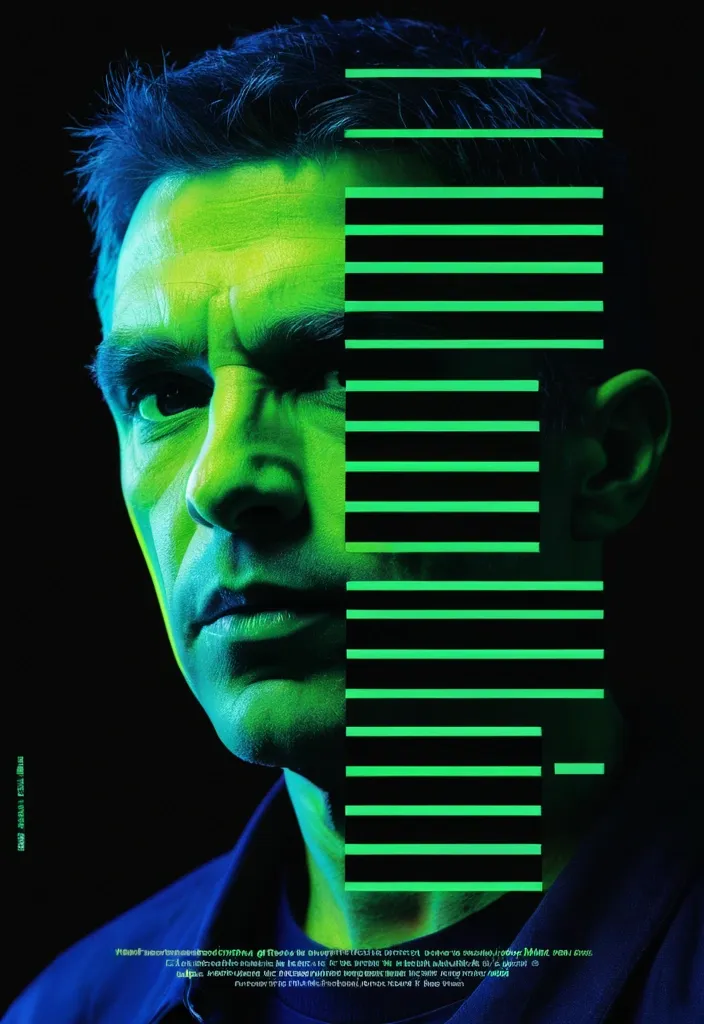
TITLE: EXCESS TEXT COLOR: fluorescent green SUBJECT: Mature man , front view DISTORTION: mosaic PALETTE: neutral base , one accent BACKGROUND: Black to dark blue FORMAT: 9:16 Create a premium fashion editorial portrait using controlled horizontal slit-echo distortion. Begin with a strong realistic portrait and keep at least one clear identity anchor such as the eyes , profile or facial outline. Break selected areas into vertical slices with varied widths , compression and horizontal displacement , creating a gradual transition from clear photography to optical fragmentation. Keep some areas completely sharp rather than distorting the whole image. Preserve realistic skin , hair and fabric texture inside every slice. Use a restrained palette , strong silhouette and generous negative space. Keep typography clean and editorial: one title , one short phrase and minimal supporting copy. The result should feel like an optical photography experiment and high-fashion magazine poster , not a digital glitch effect. Avoid RGB splitting , VHS noise , horizontal scanlines , uniform slices , neon cyberpunk graphics , excessive text , plastic skin , logos , numbering and watermarks. ,
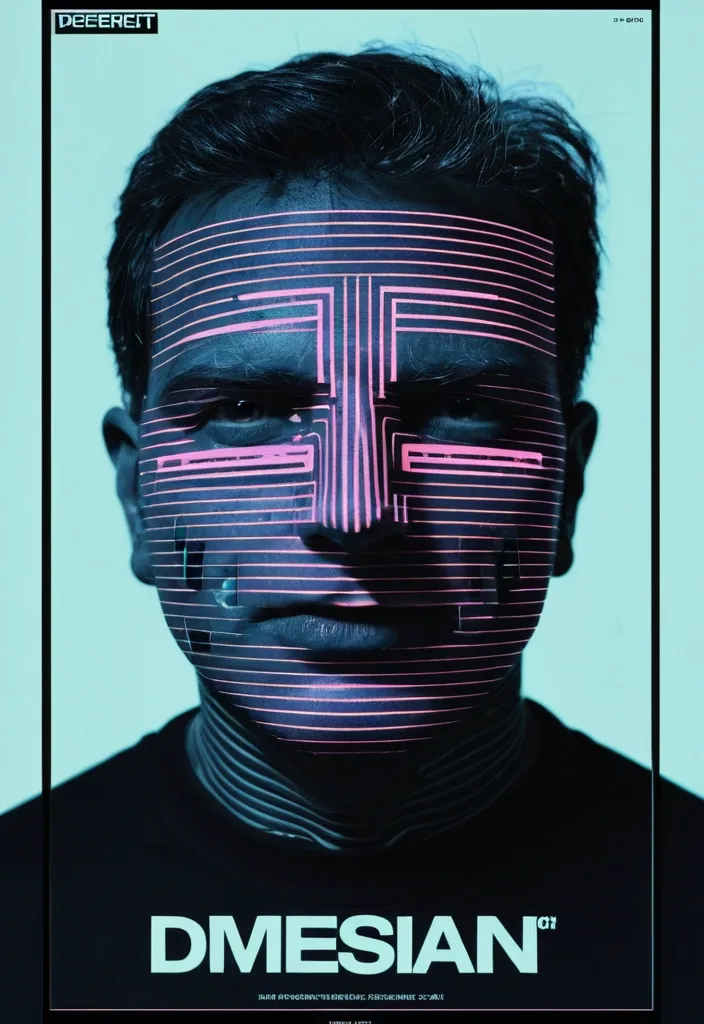
TITLE: Mastram Masti me SUBJECT: Mature man , front view DISTORTION: echo PALETTE: Electronic circuit FORMAT: 9:16 Create a premium fashion editorial portrait using controlled vertical slit-scan distortion. Begin with a strong realistic portrait and keep at least one clear identity anchor such as the eyes , profile or facial outline. Break selected areas into vertical slices with varied widths , compression and horizontal displacement , creating a gradual transition from clear photography to optical fragmentation. Keep some areas completely sharp rather than distorting the whole image. Preserve realistic skin , hair and fabric texture inside every slice. Use a restrained palette , strong silhouette and generous negative space. Keep typography clean and editorial: one title , one short phrase and minimal supporting copy. The result should feel like an optical photography experiment and high-fashion magazine poster , not a digital glitch effect. Avoid RGB splitting , VHS noise , horizontal scanlines , uniform slices , neon cyberpunk graphics , excessive text , plastic skin , logos , numbering and watermarks. ,
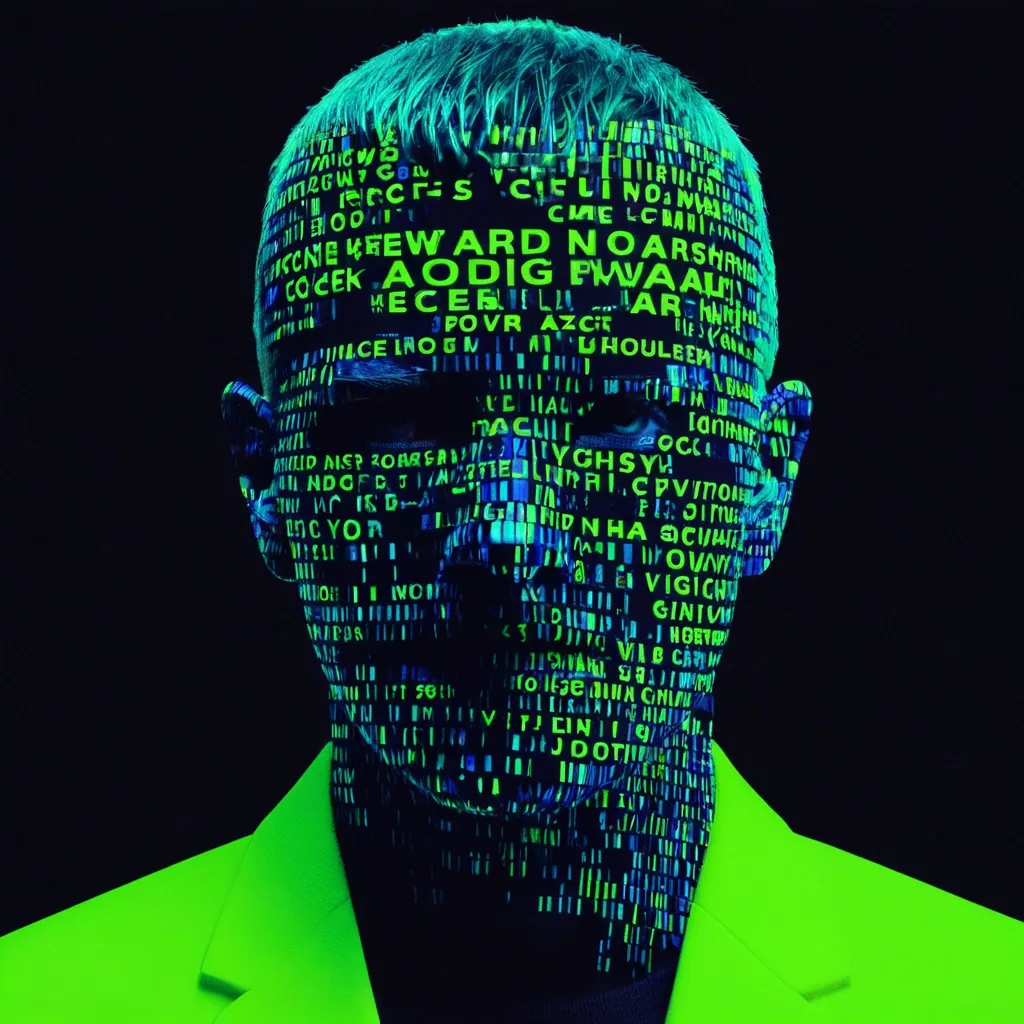
TITLE: EXCESS TEXT COLOR: fluorescent green SUBJECT: Mature man , front view DISTORTION: mosaic PALETTE: neutral base , one accent BACKGROUND: Black to dark blue FORMAT: 9:16 Create a premium fashion editorial portrait using controlled horizontal slit-echo distortion. Begin with a strong realistic portrait and keep at least one clear identity anchor such as the eyes , profile or facial outline. Break selected areas into vertical slices with varied widths , compression and horizontal displacement , creating a gradual transition from clear photography to optical fragmentation. Keep some areas completely sharp rather than distorting the whole image. Preserve realistic skin , hair and fabric texture inside every slice. Use a restrained palette , strong silhouette and generous negative space. Keep typography clean and editorial: one title , one short phrase and minimal supporting copy. The result should feel like an optical photography experiment and high-fashion magazine poster , not a digital glitch effect. Avoid RGB splitting , VHS noise , horizontal scanlines , uniform slices , neon cyberpunk graphics , excessive text , plastic skin , logos , numbering and watermarks. ,
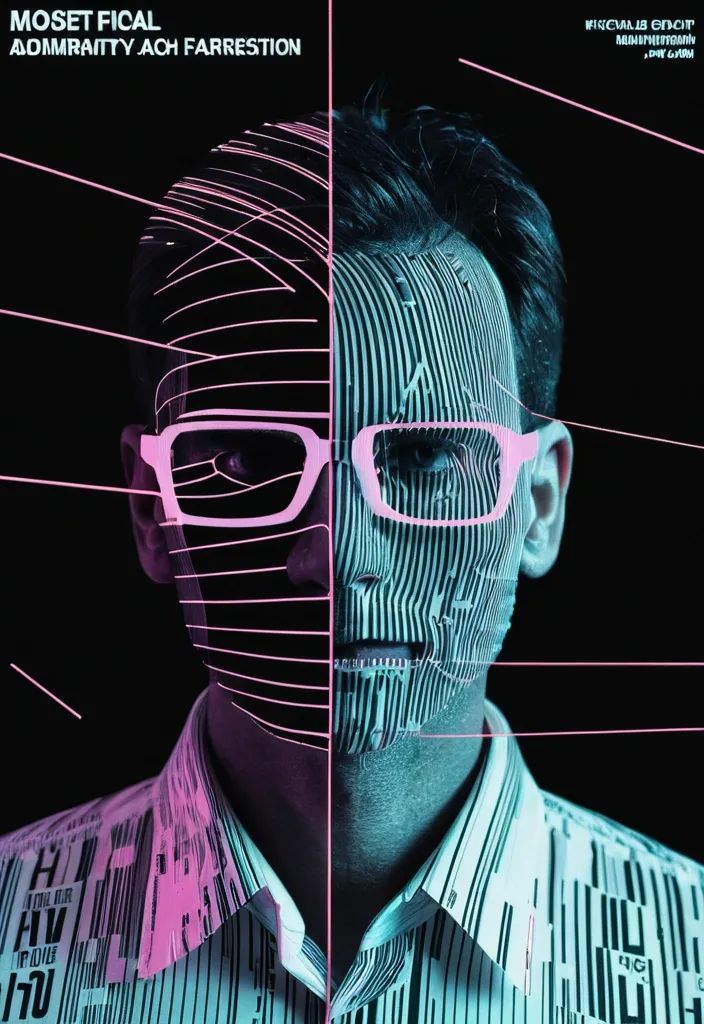
TITLE: Mastram Masti me SUBJECT: Mature man , front view DISTORTION: echo PALETTE: neutral base FORMAT: 9:16 Create a premium fashion editorial portrait using controlled vertical slit-scan distortion. Begin with a strong realistic portrait and keep at least one clear identity anchor such as the eyes , profile or facial outline. Break selected areas into vertical slices with varied widths , compression and horizontal displacement , creating a gradual transition from clear photography to optical fragmentation. Keep some areas completely sharp rather than distorting the whole image. Preserve realistic skin , hair and fabric texture inside every slice. Use a restrained palette , strong silhouette and generous negative space. Keep typography clean and editorial: one title , one short phrase and minimal supporting copy. The result should feel like an optical photography experiment and high-fashion magazine poster , not a digital glitch effect. Avoid RGB splitting , VHS noise , horizontal scanlines , uniform slices , neon cyberpunk graphics , excessive text , plastic skin , logos , numbering and watermarks. ,
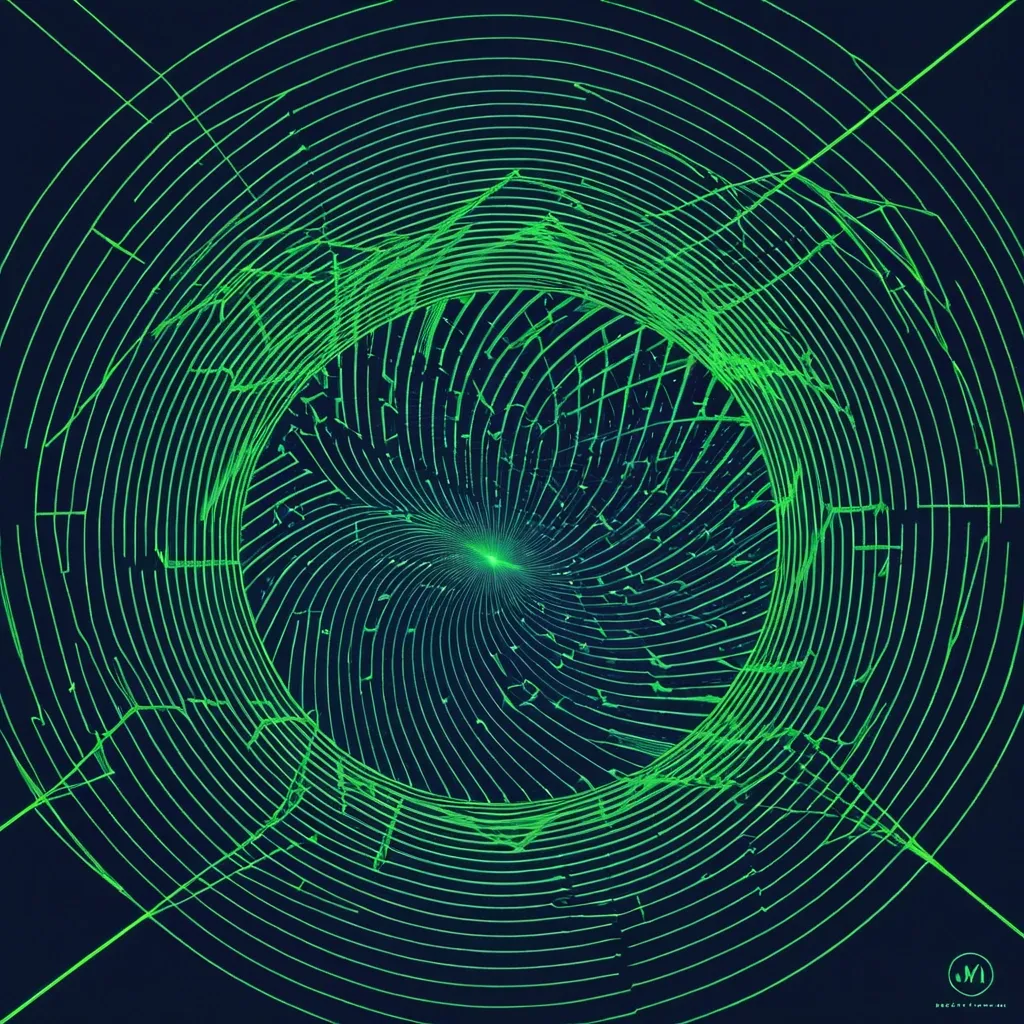
SUBJECT: Face × Finger print TITLE: VORTEX LINE FIELD: Diagonal BACKGROUND: Dark blue LINES: Fluorescent green TEXT: Mastram masti me FORMAT: 3:4 Create a refined experimental poster where face × Finger print emerges from the deformation of a precise geometric line field. Use one coherent spiral system across the entire image. Keep the geometry clean and regular away from the subject , then let the lines smoothly compress , expand , bend , and flow around its 3D volume. Do not outline the subject separately. Let anatomy and form appear mainly through deformation and negative space. For soft forms , use long fluid curves. For muscular or structural forms , use stronger controlled compression and directional tension without drawing individual muscles. Keep the subject at roughly 70–80% of the composition and add only 2–3 small typography blocks in quieter negative spaces. Prioritize line quality above everything else: extremely fine , sharp , continuous , evenly spaced , smooth , and geometrically coherent. Style: Op Art , generative graphic design , modern sculpture , experimental editorial poster , refined minimalism. Avoid broken or intersecting lines , warped circles , tangled spirals , messy radial centers , jagged curves , excessive realism , wireframe anatomy , sci-fi UI , logos , numbering , starbursts , and sparkles. ,
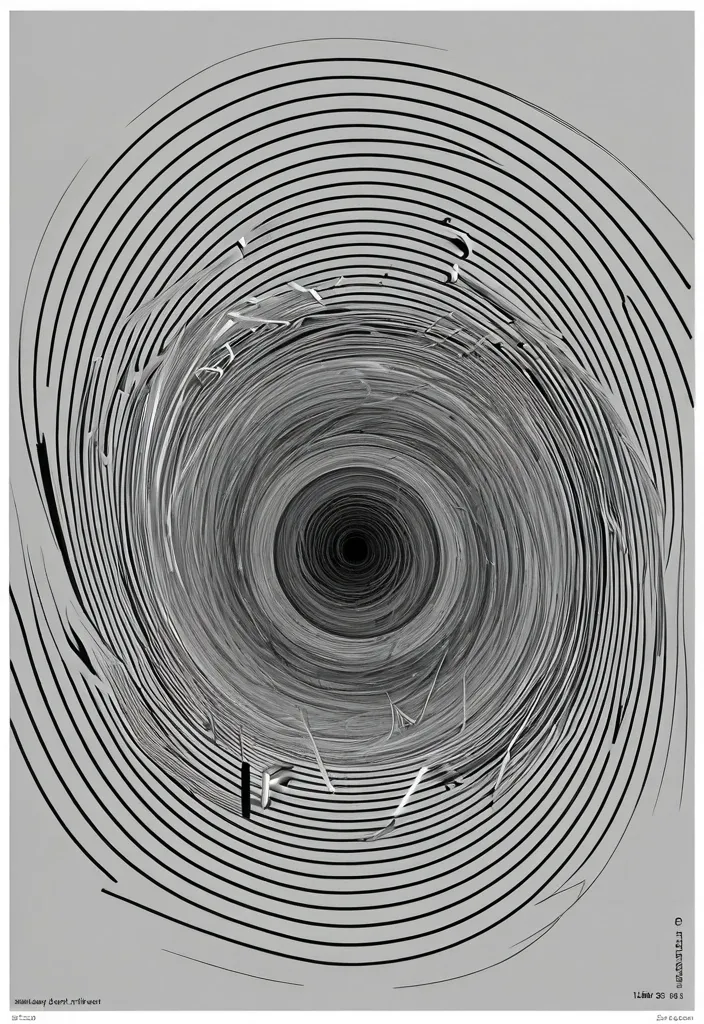
SUBJECT: face × concentric rings TITLE: Vortex LINE FIELD: spiral BACKGROUND: black LINES: light gray TEXT: Mastram masti me! FORMAT: 2:3 Create a refined experimental poster where face × concentric rings tension emerges from the deformation of a precise geometric line field. Use one coherent spiral system across the entire image. Keep the geometry clean and regular away from the subject , then let the lines smoothly compress , expand , bend , and flow around its 3D volume. Do not outline the subject separately. Let anatomy and form appear mainly through deformation and negative space. For soft forms , use long fluid curves. For muscular or structural forms , use stronger controlled compression and directional tension without drawing individual muscles. Keep the subject at roughly 70–80% of the composition and add only 2–3 small typography blocks in quieter negative spaces. Prioritize line quality above everything else: extremely fine , sharp , continuous , evenly spaced , smooth , and geometrically coherent. Style: Op Art , generative graphic design , modern sculpture , experimental editorial poster , refined minimalism. Avoid broken or intersecting lines , warped circles , tangled spirals , messy radial centers , jagged curves , excessive realism , wireframe anatomy , sci-fi UI , logos , numbering , starbursts , and sparkles. ,
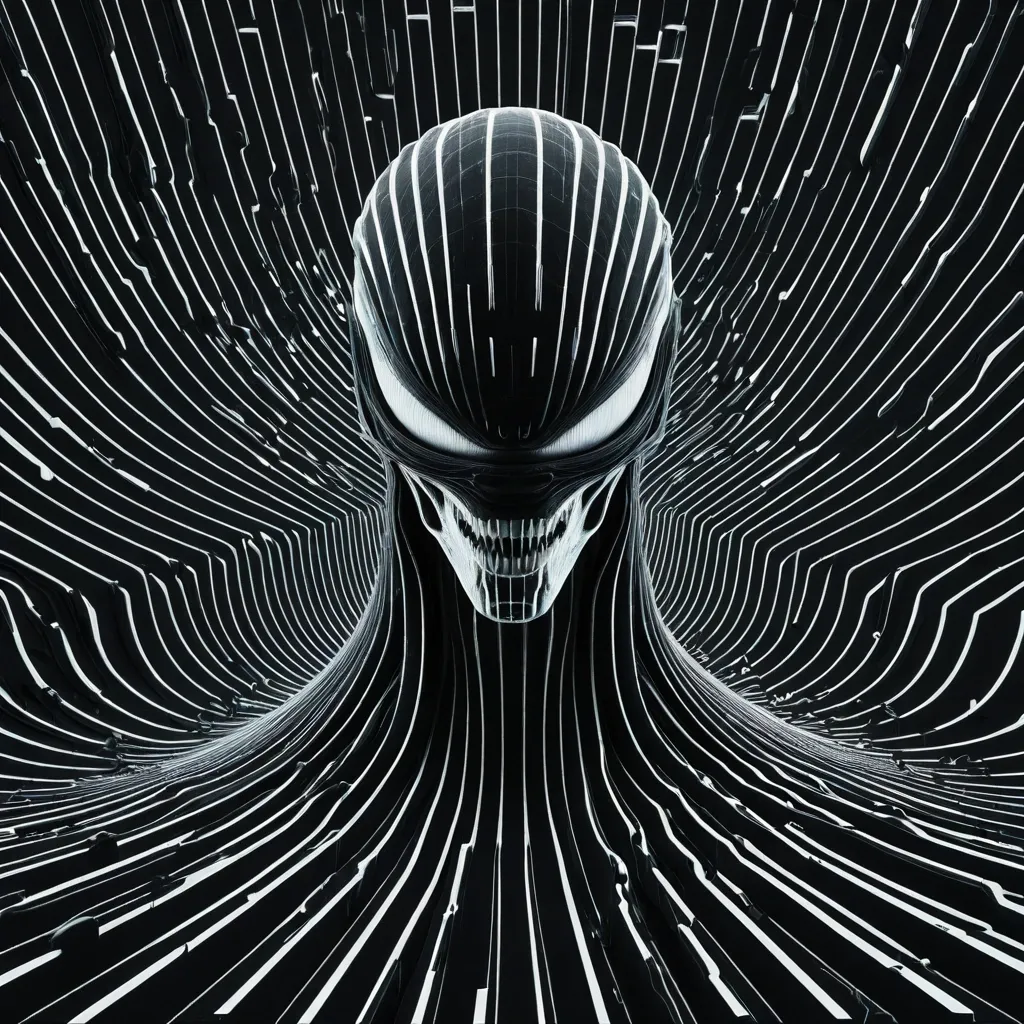
[SUBJECT]: Xenomorph face [BACKGROUND]: black [RASTER SMOCKS]: white [DIRECTION]: horizontal Design an experimental poster using a continuous high-density raster smock field , large-scale spatial deformation , and negative-space typography. Cover the entire composition with fine parallel smocks. Keep every line clean , continuous , smooth , uniform in thickness , and consistently spaced. The smocks should form one coherent field with no breaks , intersections , sudden bends , or random short fragments. Place Xenomorph face as the main visual , occupying roughly 70–80% of the composition. Do not simply place the subject on top of the smocks. Instead , make it feel like a hidden 3D form pushing through the raster field. Use only 2–4 large , controlled deformation zones rather than many small ripples. Let the smocks smoothly compress , expand , bend , and flow around the subject , then gradually return to the original parallel field away from it. The subject should become visible mainly through deformation and negative space. Keep only minimal real details where needed for recognition. Style: Op Art , generative graphic design , contemporary editorial poster , refined and minimal. Prioritize line quality above everything else: extremely fine , sharp , elegant , uninterrupted curves with smooth deformation and precise spacing. Avoid broken lines , warped or jagged curves , intersections , chaotic ripples , excessive realism , generic sci-fi UI , cyberpunk effects , excessive text , logos , numbering , starbursts , and sparkles. ,
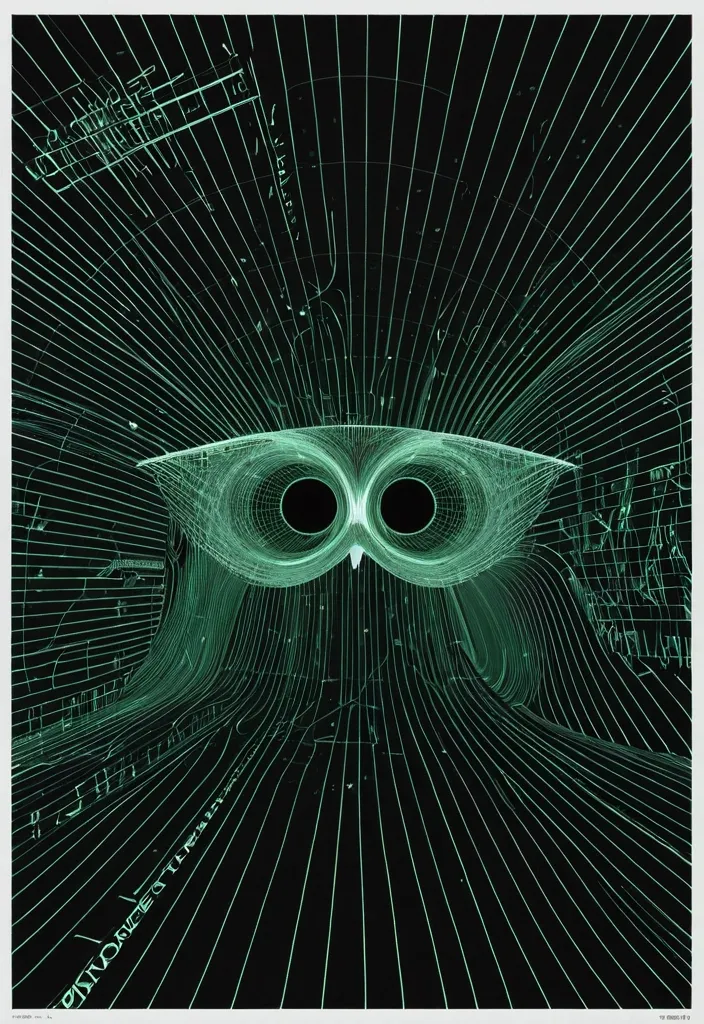
[SUBJECT]: Owl face , eyes look over the upper edges of translucent fluorescent green eyeglasses that sit low across the bridge of his nose [BACKGROUND]: night-sky [RASTER LINES]: gray [DIRECTION]: vortex Design an experimental poster using a continuous high-density raster line field , large-scale spatial deformation , and negative-space typography. Cover the entire composition with fine parallel lines. Keep every line clean , continuous , smooth , uniform in thickness , and consistently spaced. The lines should form one coherent field with no breaks , intersections , sudden bends , or random short fragments. Place Owl face as the main visual , occupying roughly 70–80% of the composition. Do not simply place the subject on top of the lines. Instead , make it feel like a hidden 3D form pushing through the raster field. Use only 2–4 large , controlled deformation zones rather than many small ripples. Let the lines smoothly compress , expand , bend , and flow around the subject , then gradually return to the original parallel field away from it. The subject should become visible mainly through deformation and negative space. Keep only minimal real details where needed for recognition. Create 2–3 small information areas inside quieter negative spaces. Use minimal modern sans-serif typography with strong hierarchy and generous spacing. Keep the text much smaller than the main visual and avoid placing it over dense line areas. Style: Op Art , generative graphic design , experimental typography , contemporary editorial poster , refined and minimal. Prioritize line quality above everything else: extremely fine , sharp , elegant , uninterrupted curves with smooth deformation and precise spacing. Avoid broken lines , warped or jagged curves , intersections , chaotic ripples , excessive realism , generic sci-fi UI , cyberpunk effects , excessive text , logos , numbering , starbursts , and sparkles. ,
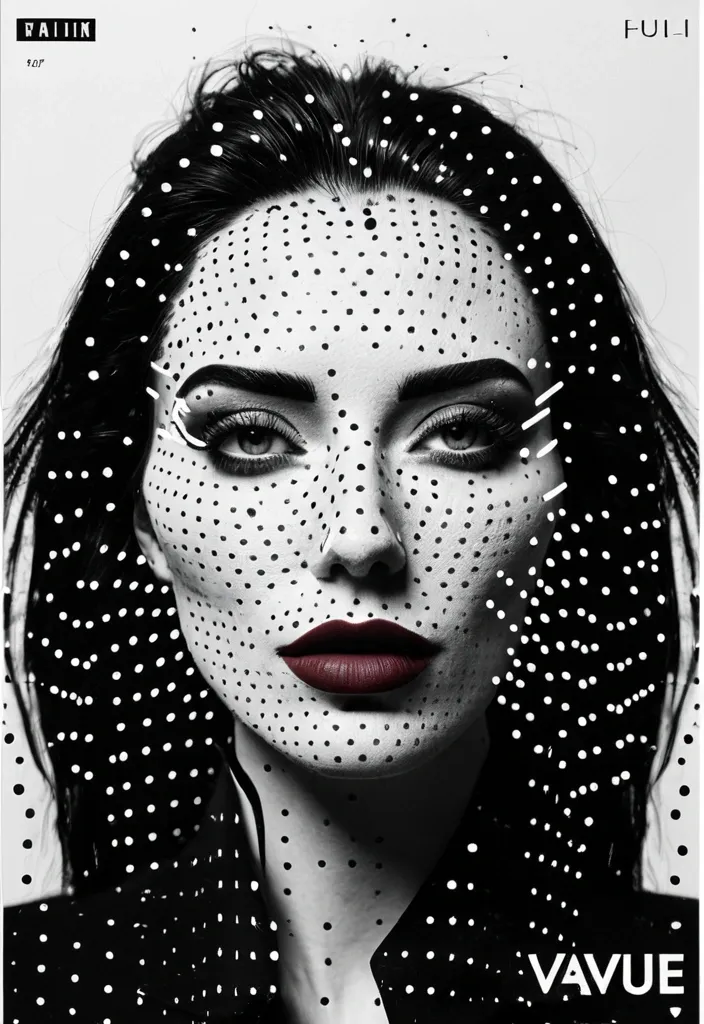
Create a 9:16 experimental character poster using a close or waist-up portrait with expressive body language. Keep most of the portrait in high-contrast black and white , then add a clear halftone screen-print effect. Use finer dots on the face and denser dots in the hair , clothing and shadows , so it feels like a printed zine rather than simple photo grain. Add one color scan window through an important part of the portrait. It can run vertically across the eye , face and hand , horizontally through the eyes and gesture , or extend from the face down into the collar and body. Inside this window , return to clean high-resolution photography with realistic cool-neutral skin , blue-grey shadows and natural lip tones. Keep it crisp and free of halftone texture so the contrast between “printed portrait” and “real detail” feels obvious. Use oversized condensed typography as part of the composition rather than placing a title in empty space. Let the letters crop off the canvas , overlap the body , pass behind the subject or cut across the scan window. Keep the palette restrained: black , white and cool grey as the base , then one cool blue and one muted red / burgundy as accents. Only add a few small identity-style labels such as “IDENTITY TRACE” , “SUBJECT ACTIVE” , “GESTURE READ” or “FEATURE ACTIVE”. A few thin lines , circles and open corner marks are enough. The final image should feel like a mix of youth-culture poster , printed zine , character dossier and experimental magazine editorial. Avoid warm yellow grading , multiple random scan windows , floating facial features , heavy glitch effects , dense UI graphics , long paragraphs , numbering , Vol./Issue labels , sparkle symbols , logos or watermarks. ,