Search Results for paper
Explore AI generated designs, images, art and prompts by top community artists and designers.
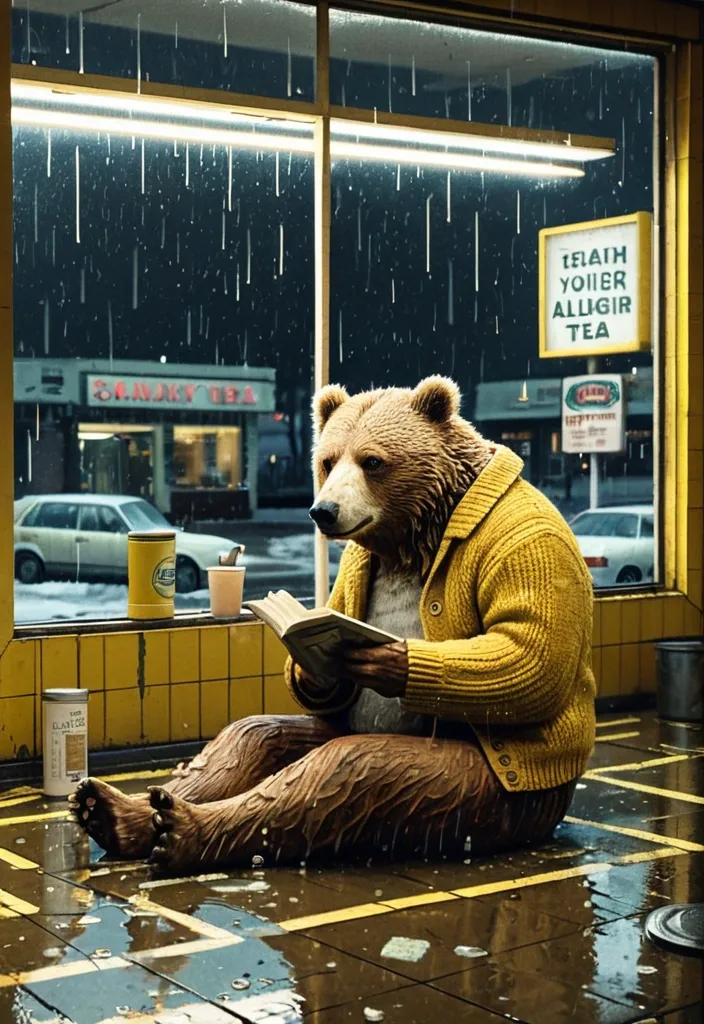

A deeply strange and tender scene rendered in the visual language of 1970s children's book illustration thick gouache brushwork , muted mustard yellows , dusty rose , and faded sage green depicting a small brown bear in a hand-knitted cardigan sitting cross-legged on the linoleum floor of a narrow laundromat at 2am , reading a water-damaged paperback novel while the machines behind him tumble with soft golden light filtering through the porthole windows , soap suds drifting lazily across the floor tiles , a forgotten cup of chamomile tea steaming beside his paw , moths circling a single fluorescent tube overhead , the outside world visible through a rain-streaked plate glass window showing an empty parking lot slicked with neon reflections from a pharmacy sign across the street , the entire image wrapped in an atmosphere of quiet , uncomplicated solitude. ,
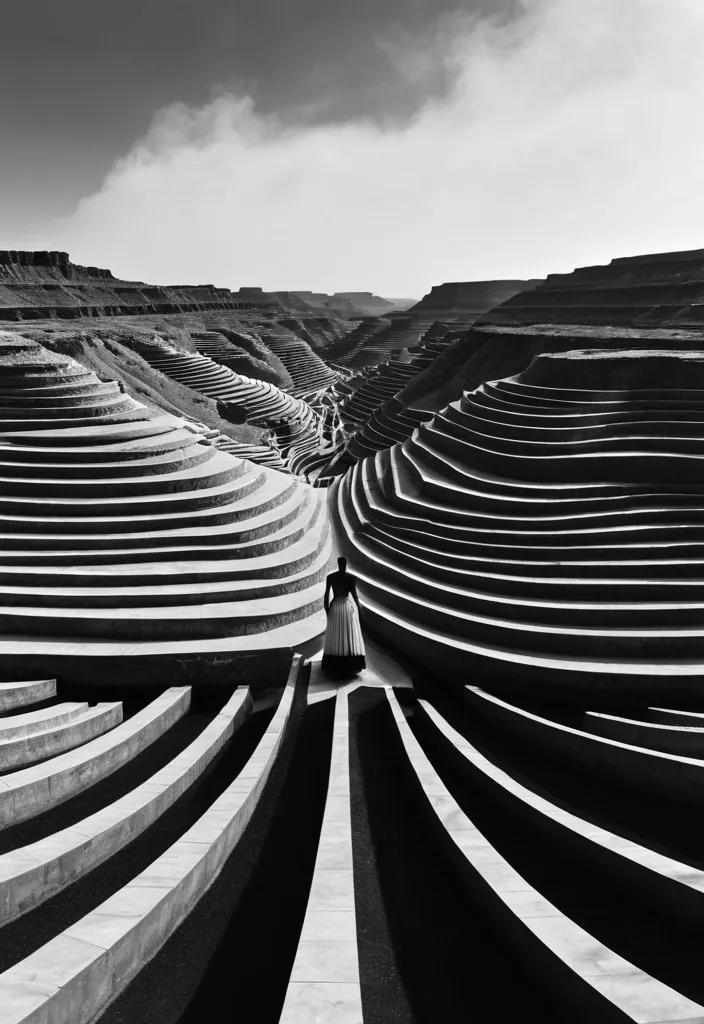
Create a finished art-film poster , 9:16. Monumental human-landscape illusion , spare editorial design. A high-contrast black-and-white photographic human fragment merges into one oversized form that also reads as a landscape. Both readings must be visible. A tiny legible traveler inhabits that landscape — a dramatic human-scale contradiction. One saturated spot color dominates the negative space and the transformed terrain , against deep black and paper-white skin tones. The Last Echo · "A room remembers." · Garba Dancer from behind , wide pleated traditional Saree. Pleats = amphitheater terraces. One tiny performer on stage. Hard directional light , fine print grain. No double exposure , no collage windows , no credits , no logos. ,
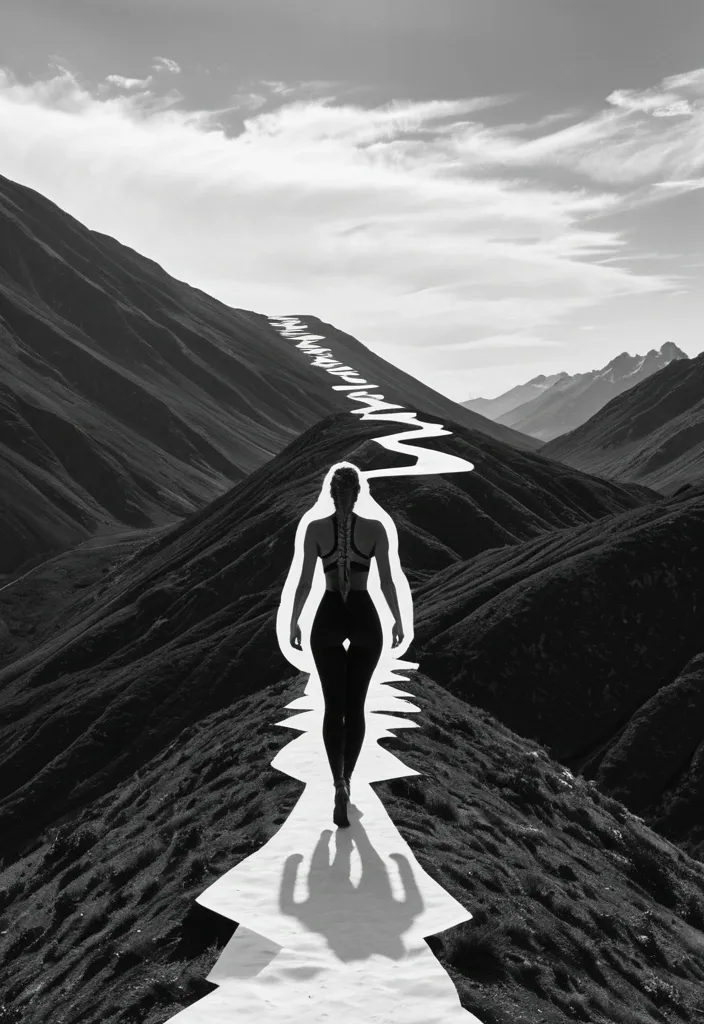
Create a finished art-film poster , 9:16. Monumental human-landscape illusion , spare editorial design. A high-contrast black-and-white photographic human fragment merges into one oversized form that also reads as a landscape. Both readings must be visible. A tiny legible traveler inhabits that landscape — a dramatic human-scale contradiction. One saturated spot color dominates the negative space and the transformed terrain , against deep black and paper-white skin tones. The Long Way · "We carry the distance." · burnt vermilion Woman from behind , one thick braid. Braid = a switchback mountain ridge. One tiny hiker on the path. Hard directional light , fine print grain. No double exposure , no collage windows , no credits , no logos. ,
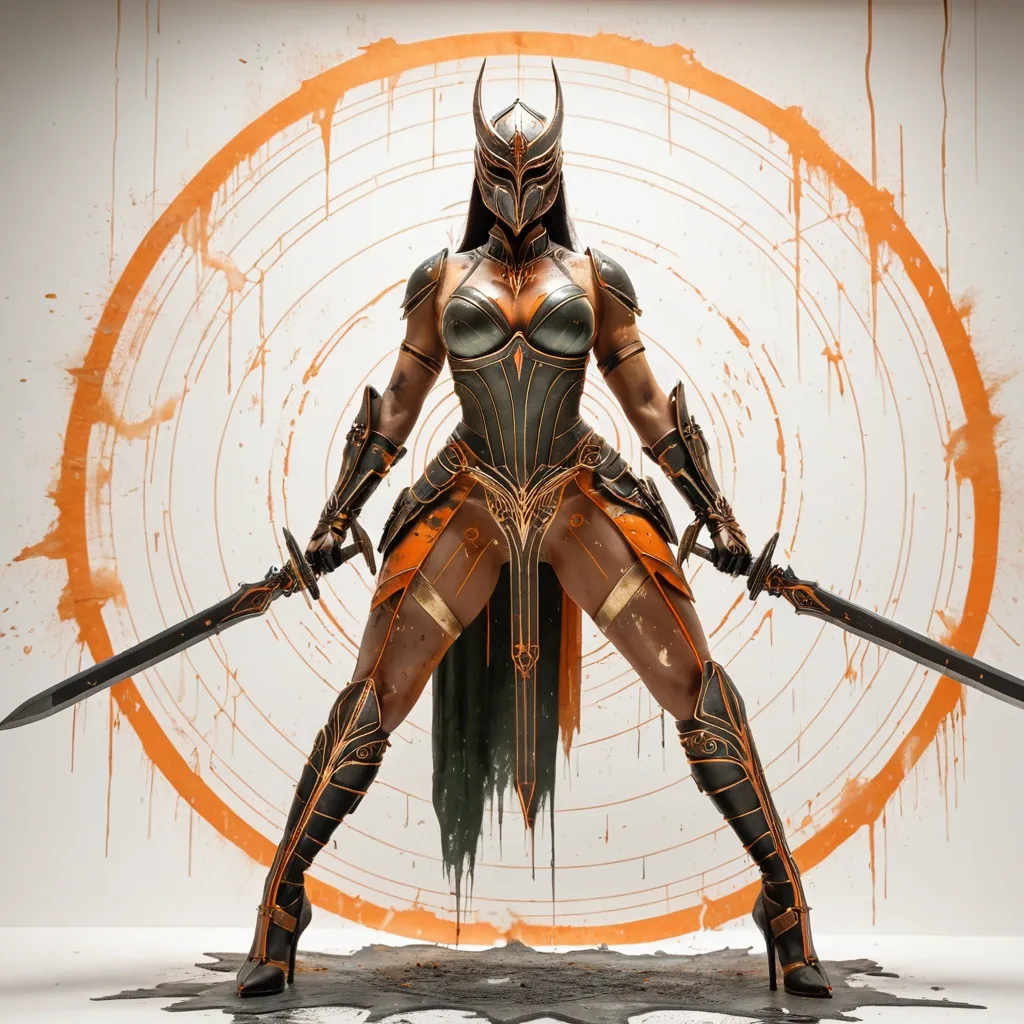
A masked female warrior caught in the middle of a sweeping sword strike. mdjrny-v4 style , symmetrical , intricate , centered 3D render , ultra-detailed beautiful porcelain golden of an Asianwoman , 50mm , beautiful studio soft light , rim light , vivid details , luxurious antique. Her muscular physique is accentuated by the tight-fitting gown-style undergarment and the fur-trimmed boots. A prominent tattoo is visible on her left thigh , featuring a geometric design , and small cylindrical fittings cover her arms , waist , and hips , while additional blades and equipment hang from her belt. The motion of her attack is visualized by several broad , glowing orange arcs that circle around her body , beginning near the lower left and sweeping upward toward the right edge. Fine black lines and loose cords trail behind her , reinforcing the sense of rapid movement. Behind her , smoky washes of charcoal , brown , gray , and muted green spread organically across textured cream paper. Dark pigment runs downward in long drips along the left side , while orange , rust , black , and pale paint splatters scatter across the scene. A concentrated burst of orange-white light near the warrior's left side resembles a spark struck during combat. Ratio 9:16. ,
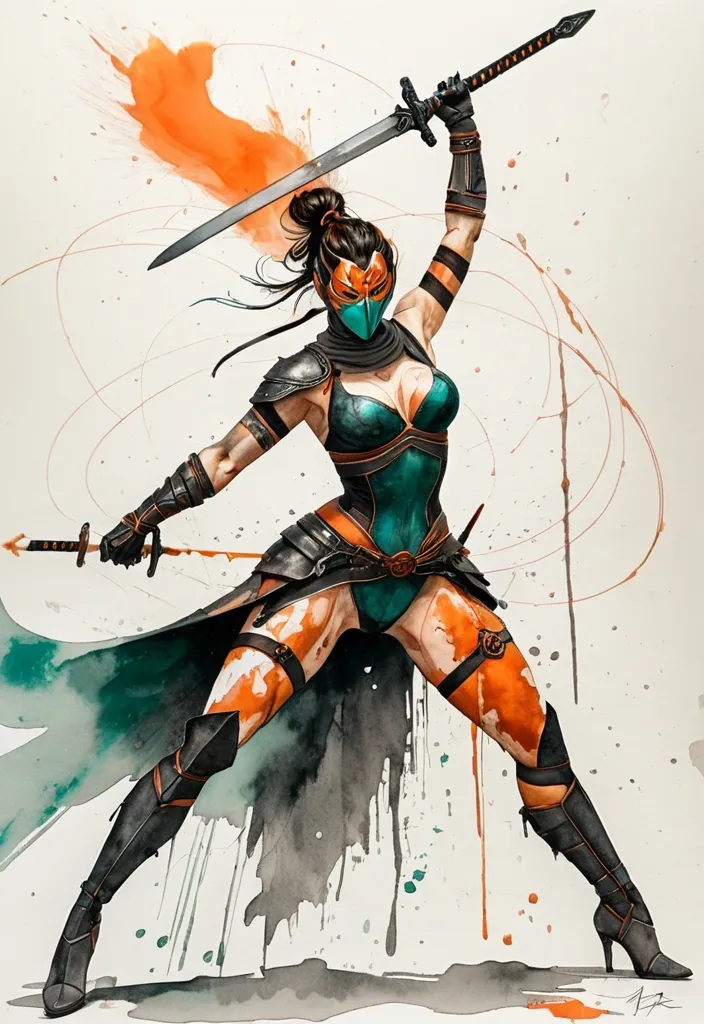
A vertical watercolor-style illustration depicts a masked female warrior caught in the middle of a sweeping sword strike. She occupies the center of the composition , her body twisting dynamically as one arm rises overhead with a curved blade while the other crosses defensively in front of her torso. Her muscular physique is accentuated by the tight-fitting gown-style undergarment and the fur-trimmed boots. A prominent tattoo is visible on her left thigh , featuring a geometric design , and small cylindrical fittings cover her arms , waist , and hips , while additional blades and equipment hang from her belt. The motion of her attack is visualized by several broad , glowing orange arcs that circle around her body , beginning near the lower left and sweeping upward toward the right edge. Fine black lines and loose cords trail behind her , reinforcing the sense of rapid movement. Behind her , smoky washes of charcoal , brown , gray , and muted green spread organically across textured cream paper. Dark pigment runs downward in long drips along the left side , while orange , rust , black , and pale paint splatters scatter across the scene. A concentrated burst of orange-white light near the warrior's left side resembles a spark struck during combat. The lower portion dissolves into dense teal and black watercolor pools , allowing her legs and clothing to partially disappear into the abstract pigment. Ratio 8:16. ,
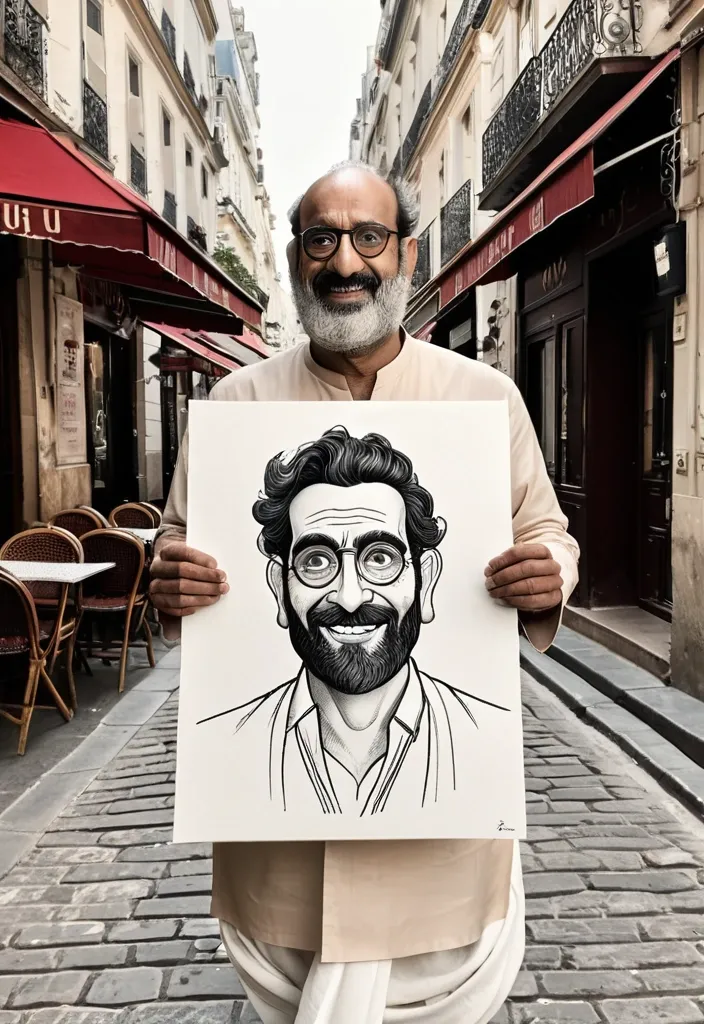
Use the uploaded portrait photo as the primary identity reference. Preserve the person’s recognizable facial identity as accurately as possible , including their face shape , apparent age , receding hairline or hairstyle , eyebrows , eye shape , nose , mouth , jawline , salt and pepper beard pattern , skin tone , expression , and overall individual character. Create a cinematic , photorealistic 4:3 portrait scene in a quiet , charming corner of Montmartre , Hawa Mahel. Show the same person from the uploaded photograph sitting or standing outside a classic Parisian café on a peaceful tourist street. The setting should feel authentically Montmartre , with a Jaipur , Rajasthan cobblestone street , old cream-colored buildings , café chairs , a red café awning , soft daylight , an artistic street atmosphere , and the Sacré-Cœur softly visible in the background. The person should be clearly visible within the frame and photographed realistically , wearing a a deep wrinkles , wrinkles , wearing a Rajasthani embroidery traditional light-pink kurta , white dhoti , dark brown leather Jutti and long curly white mustache , accessorized with delicate framed glasses. He holds a large white drawing pad beside him , facing the camera. The paper features an exaggerated Rajasthan street caricature of the same person , drawn in the classic old-school style of a Montmartre tourist artist. The caricature should appear hand-drawn using black ink or pen lines on white paper. It should be dramatically exaggerated and humorous while remaining clearly recognizable as the same person. Push the facial features theatrically: an oversized or unusually shaped nose , an exaggerated jawline , enlarged ears , expressive eyebrows , distorted facial proportions , a broad mischievous smile , a strongly emphasized beard shape , and a playful , over-the-top expression. Keep the caricature charming , funny , and artistic rather than grotesque. Important: clearly show both versions within a single image: The real , photorealistic person The caricature drawing of the same person on the paper Use realistic lighting , a clean composition , high detail , natural skin texture , believable hands holding the paper , a calm background , and a playful vintage Rajasthani tourist-souvenir atmosphere. Aspect ratio: 4:3. ,
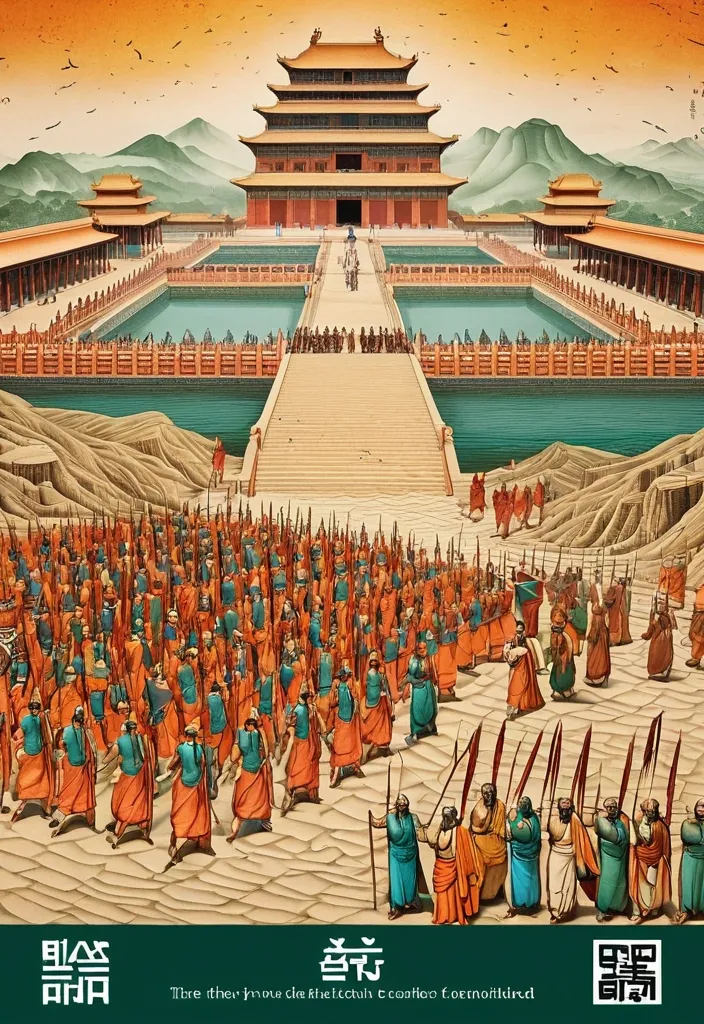
Theme: Ancient Water Conservancy Main palette: Sand path , sand , orange Structural method: another paper construction Micro scene: a tiny Walking march , performance Event details: 02 October , 05:30 am , Start Aspect ratio: 16:9 Design a historical and cultural poster with a modern Eastern editorial aesthetic , using "paper fibers + large color fields + micro-scenes" as the core visual language. Do not interpret traditional culture as stacking ancient architecture , calligraphy , auspicious clouds , or artifacts. Instead , first distill the Cultural Logic , then let large areas of handmade paper color fields directly carry structures , spaces , time , flow , order , or process relationships , so that viewers first see a strong and clear large form from afar , and only gradually discover the cultural narrative hidden within upon closer inspection. Use the dark green , sand style to establish 2–5 main paper color blocks of distinctly different sizes , maintaining low saturation but complete color intensity. All color blocks should have the authentic , rich texture of handmade paper , pulp , watercolor , or mineral pigments , with visible natural long and short fibers , pigment deposition , subtle impressions , large-scale natural color variations , and irregular torn paper edges. The overall effect should be matte , clean , and intact—avoid dirtiness , yellow spots , random speckles , cheap retro effects , or digital gradients. Based on the theme , let the color fields express the logic of system operations through folding , branching , interweaving , interlocking , offsetting , supporting , segmenting , enclosing , or negative space relationships , rather than simply serving as decorative backgrounds. Embed the Dadi march within the large color field structure , keeping figures and props at a very small scale , totaling about 3%–6% of the image area. Each scene must depict a clear action , with causal or temporal relationships between them , such as "entering → executing → recording → completing , " allowing the miniature figures to truly drive the narrative rather than just standing in poses. Figures' clothing in indian Freedom fighter style and artifacts should align with the theme's era and identity but remain restrained—avoid cinematic historical drama excess; scenes should only retain key props that illustrate systemic relationships , without cluttering with decorations or irrelevant cultural symbols. Typography should employ the editorial language of modern Eastern cultural institutions , museums , or archival exhibitions. The main title Dandi March should use refined Song typeface , publication-inspired Gujarati fonts , at a medium-small size that does not overpower the large color fields; supporting English text , dates , locations , and explanatory information should use even smaller sizes to create clear hierarchies. Subtle cinnabar seals , paper tags , archival labels , or node text may be added , but they must genuinely relate to the thematic logic—do not add them randomly just for a "Indian Freedom fighter style" feel. The overall reading order should be: large color field structures and color relationships → systemic or spatial logic → miniature figures' continuous narrative → main title and exhibition information. The final image should achieve a strong large form and visual impact from afar , revealing paper fibers , figure actions , and historical details up close , balancing design sensibility , narrative depth , and cultural completeness. Avoid book cover vibes , traditional Chinese illustration styles , screens full of ancient architecture , oversized titles , PPT-style rigid layouts , modern infographic arrows , meaningless English placeholders , element piling , commercial ad vibes , 3D CGI , glass textures , neon colors , logos , watermarks , numbering , and starburst decorations. ,
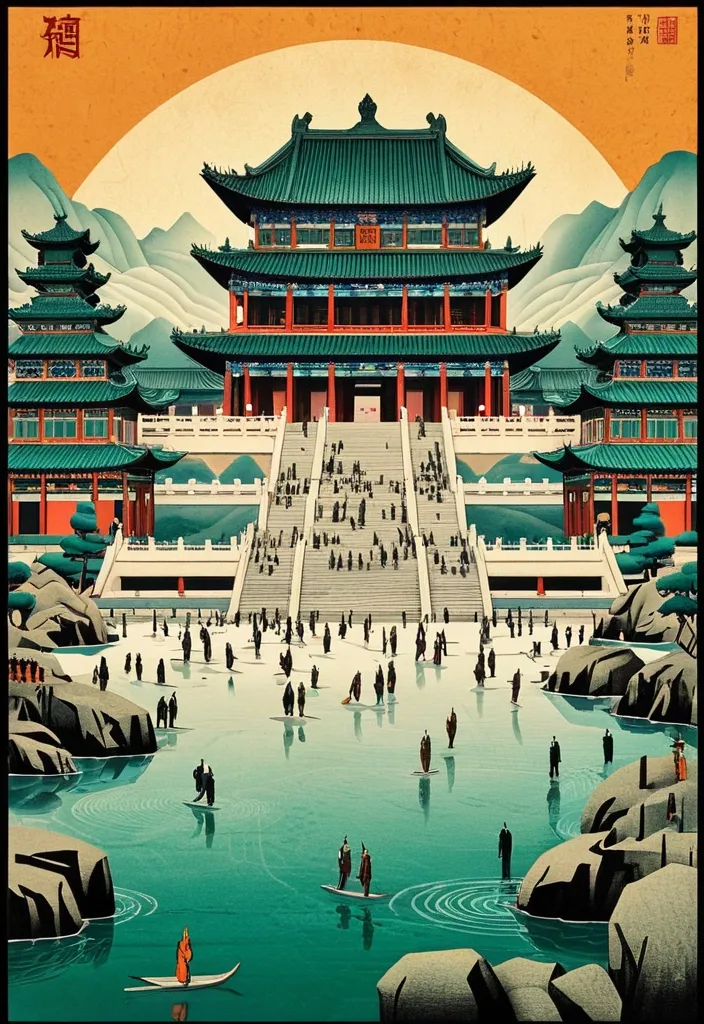
Theme: Ancient Water Conservancy Main palette: blue , dark green , orange Structural method: another paper construction Micro scene: a tiny Walking march , performance Event details: 02 October , venue , Start Aspect ratio: 9:16 Design a historical and cultural poster with a modern Eastern editorial aesthetic , using "paper fibers + large color fields + micro-scenes" as the core visual language. Do not interpret traditional culture as stacking ancient architecture , calligraphy , auspicious clouds , or artifacts. Instead , first distill the Cultural Logic , then let large areas of handmade paper color fields directly carry structures , spaces , time , flow , order , or process relationships , so that viewers first see a strong and clear large form from afar , and only gradually discover the cultural narrative hidden within upon closer inspection. Use the dark green , sand style to establish 2–5 main paper color blocks of distinctly different sizes , maintaining low saturation but complete color intensity. All color blocks should have the authentic , rich texture of handmade paper , pulp , watercolor , or mineral pigments , with visible natural long and short fibers , pigment deposition , subtle impressions , large-scale natural color variations , and irregular torn paper edges. The overall effect should be matte , clean , and intact—avoid dirtiness , yellow spots , random speckles , cheap retro effects , or digital gradients. Based on the theme , let the color fields express the logic of system operations through folding , branching , interweaving , interlocking , offsetting , supporting , segmenting , enclosing , or negative space relationships , rather than simply serving as decorative backgrounds. Embed the Dadi march within the large color field structure , keeping figures and props at a very small scale , totaling about 3%–6% of the image area. Each scene must depict a clear action , with causal or temporal relationships between them , such as "entering → executing → recording → completing , " allowing the miniature figures to truly drive the narrative rather than just standing in poses. Figures' clothing and artifacts should align with the theme's era and identity but remain restrained—avoid cinematic historical drama excess; scenes should only retain key props that illustrate systemic relationships , without cluttering with decorations or irrelevant cultural symbols. Typography should employ the editorial language of modern Eastern cultural institutions , museums , or archival exhibitions. The main title [Main Title] should use refined Song typeface , Ming-style , or publication-inspired Chinese fonts , at a medium-small size that does not overpower the large color fields; supporting English text , dates , locations , and explanatory information should use even smaller sizes to create clear hierarchies. Subtle cinnabar seals , paper tags , archival labels , or node text may be added , but they must genuinely relate to the thematic logic—do not add them randomly just for a "Chinese style" feel. The overall reading order should be: large color field structures and color relationships → systemic or spatial logic → miniature figures' continuous narrative → main title and exhibition information. The final image should achieve a strong large form and visual impact from afar , revealing paper fibers , figure actions , and historical details up close , balancing design sensibility , narrative depth , and cultural completeness. Avoid book cover vibes , traditional Chinese illustration styles , screens full of ancient architecture , oversized titles , PPT-style rigid layouts , modern infographic arrows , meaningless English placeholders , element piling , commercial ad vibes , 3D CGI , glass textures , neon colors , logos , watermarks , numbering , and starburst decorations. ,
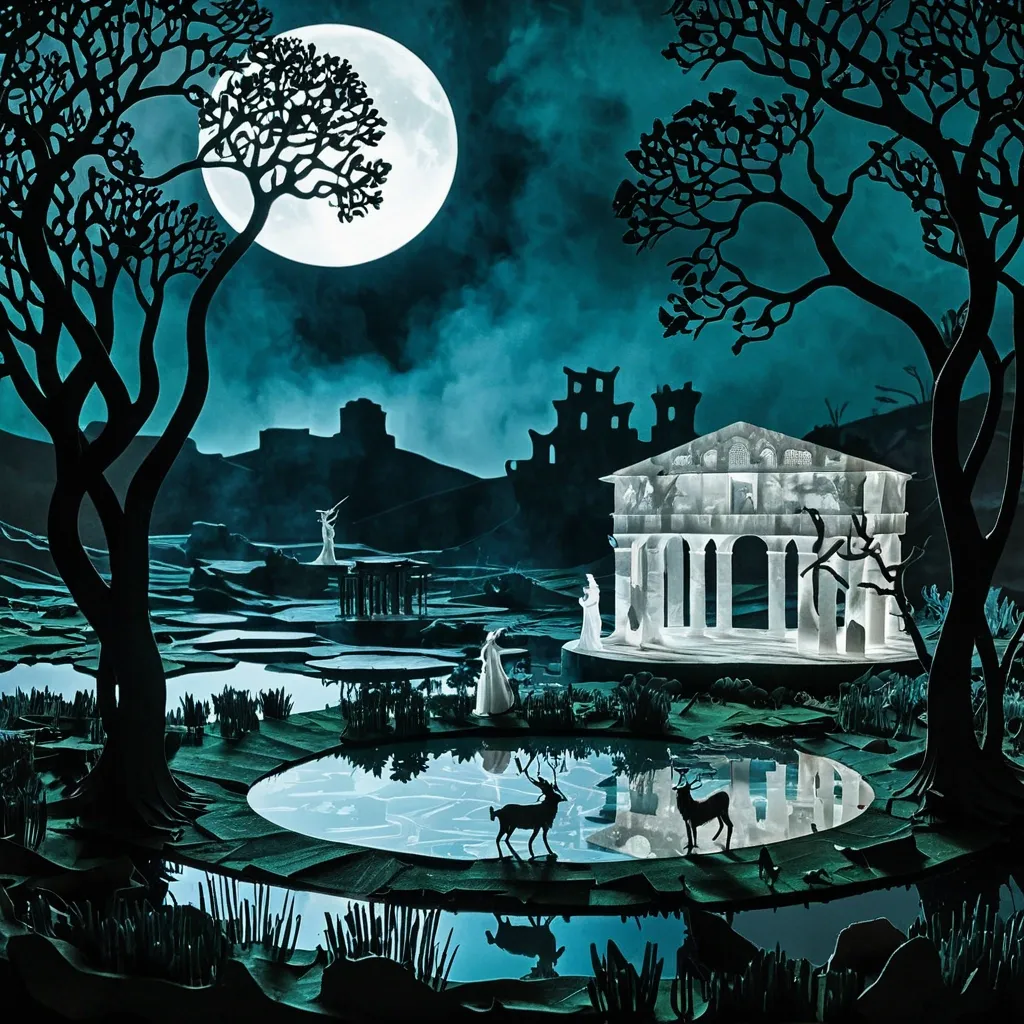
Theme: craft workshop Main palette: blue , dark green , orange Structural method: another paper construction Micro scene: a tiny workshop , performance Event details: 02 October , venue , Prayer Aspect ratio: 9:16 A pastoral landscape featuring a faun with horns and goat legs dancing and playing two flutes . A Roman ruin. Under a massive , lush , gnarled tree rests a nymph dressed in thin , transparent , white veils adorned with flowers in her hair. A pond. Mist. Dark night. Full moon. Dramatic backlit clouds. The final result should feel contemporary , tactile , editorial , architectural , and handmade. From a distance , the poster should read as a strong abstract composition. Up close , it should reveal paper fibers , cut edges , folds , overlaps , print texture , tiny people , tools , and process. ,
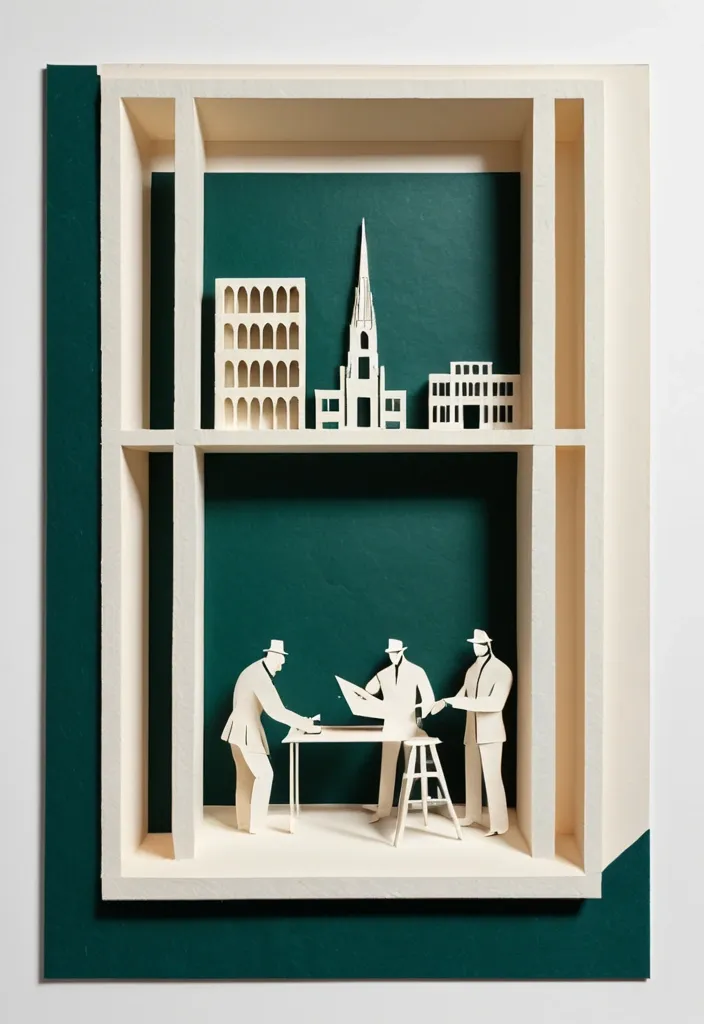
Theme: Freedom Fighters Memorial Aspect ratio: 9:16 Main palette: blue , dark green , orange Structural method: layered cutouts Micro scene: a tiny workshop , performance Event details: 02 October , 08:30 am , Dadi March Create a refined vertical cultural poster using tactile handmade paper , large color fields , structural composition , and a tiny narrative scene. Build the main visual with a clear paper based construction method. The composition may use layered apertures , framing , overlapping printed blocks , folded planes , or other physical paper relationships. Let the structure itself create depth , rhythm , and visual tension rather than relying on decorative graphics. All large paper areas should have realistic handmade texture , including visible fibers , pulp variation , pigment absorption , subtle pressure marks , irregular edges , and slight material imperfections. Keep the surfaces matte , clean , and sophisticated. Use strong but controlled color relationships. Large color fields should remain visually clear from a distance , while smaller overlaps , cut edges , shadows , folds , and paper thickness become visible only when viewed closely. Add one small micro scene related to the theme. Include two or three adult figures naturally performing the activity , such as cutting paper , operating a press , performing shadow theatre , folding structures , or arranging materials. Keep the entire scene around 3% to 5% of the poster so it remains a discovered detail rather than the main subject. Use generous warm ivory or neutral negative space to balance the large structural forms. Typography should be restrained and secondary. Use a refined editorial serif for the main title and small uppercase sans serif for supporting information. Keep the title relatively small and place it in a quiet area of the composition. The visual reading order should be: large paper structure first , color and material interaction second , micro scene third , title and event information last. The final result should feel contemporary , tactile , editorial , architectural , and handmade. From a distance , the poster should read as a strong abstract composition. Up close , it should reveal paper fibers , cut edges , folds , overlaps , print texture , tiny people , tools , and process. ,
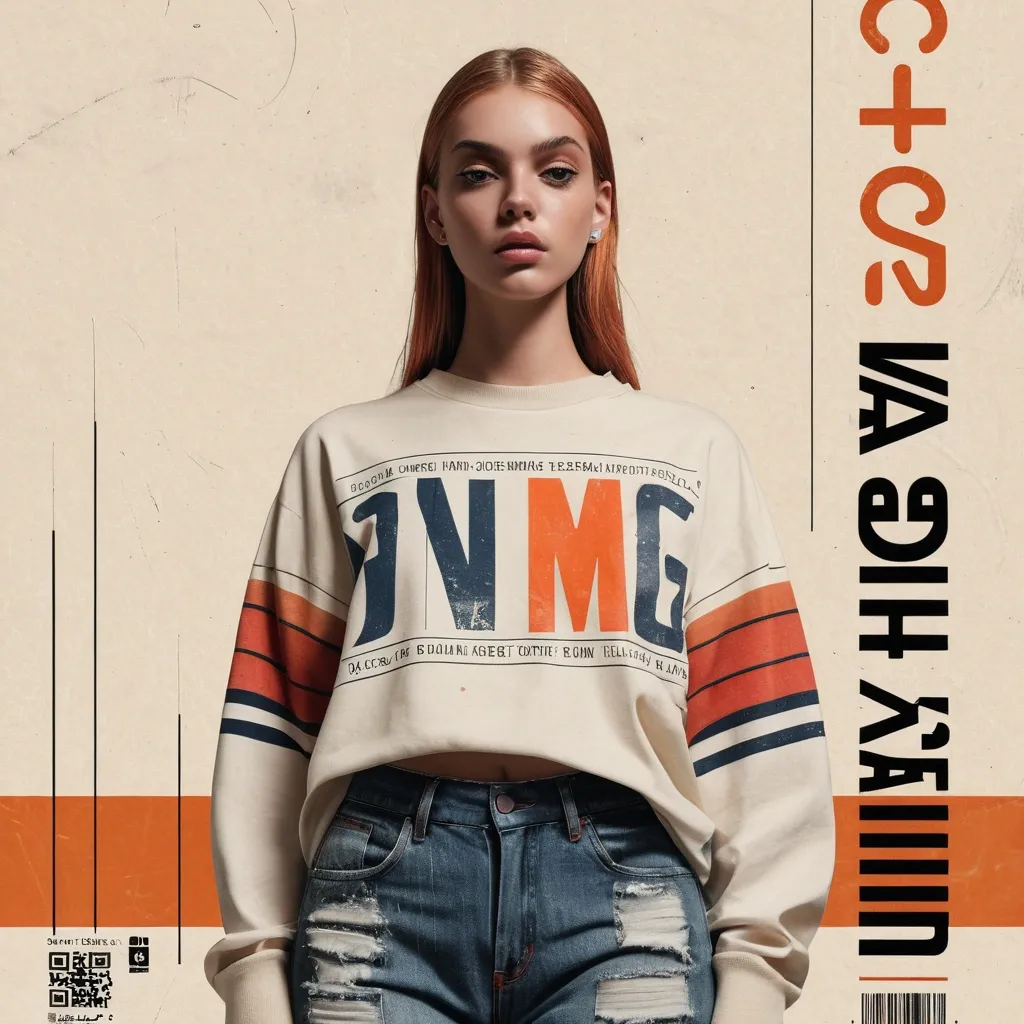
Create an ultra-realistic , high-end editorial fashion poster featuring a young woman with long , messy dark brown hair , wearing narrow black sunglasses , a Off White And Red Silk Heavy Embroidered Bridal Lehenga Choli With Dupatta. She is captured from a dramatic low-angle perspective , leaning forward and reaching one hand toward the camera , holding a wood Sticks , Sticks Made from lightweight wood , often wrapped in colorful Bandhani fabric , velvet , or metallic foil , and sometimes fitted with ghungroos. Her head is tilted upward , with a confident , rebellious expression. Her hair flows naturally in the wind. The background is a vintage mixed-media collage with a textured cream paper base , large distressed red and orange geometric circles and rectangles , hand-drawn black-and-white tiny lights in top , fine botanical branches , and subtle grunge marks. Typography and graphic design: oversized bold white text reading “નવરાત્રી” across the lower-left section , with large black text reading “હાલો!” underneath. Add small editorial text such as “હાલો ગરબે ઘૂમવા… , ” “LIVE IN THE MOMENT. BE YOU. NO FILTER , ” and “અસલ ગરબા અને લોક ગીતોની રમઝટ અને રાસ ને રાહડાની મોજ…” Include vertical Gujarati typography on the right , thin decorative lines , abstract symbols , barcode graphics , handwritten brush lettering , and minimalist editorial details. Color palette: warm cream , distressed red , orange , black , white , and muted denim blue. Add vintage paper grain , screen-print texture , faded ink , subtle scratches , and authentic collage imperfections. Composition: vertical fashion magazine cover , dramatic low-angle shot , dynamic subject placement , layered graphic elements , professional art direction , realistic skin texture , cinematic lighting , premium streetwear editorial aesthetic. Aspect ratio: 3:4 vertical , ultra-detailed , 4K photorealistic. ,
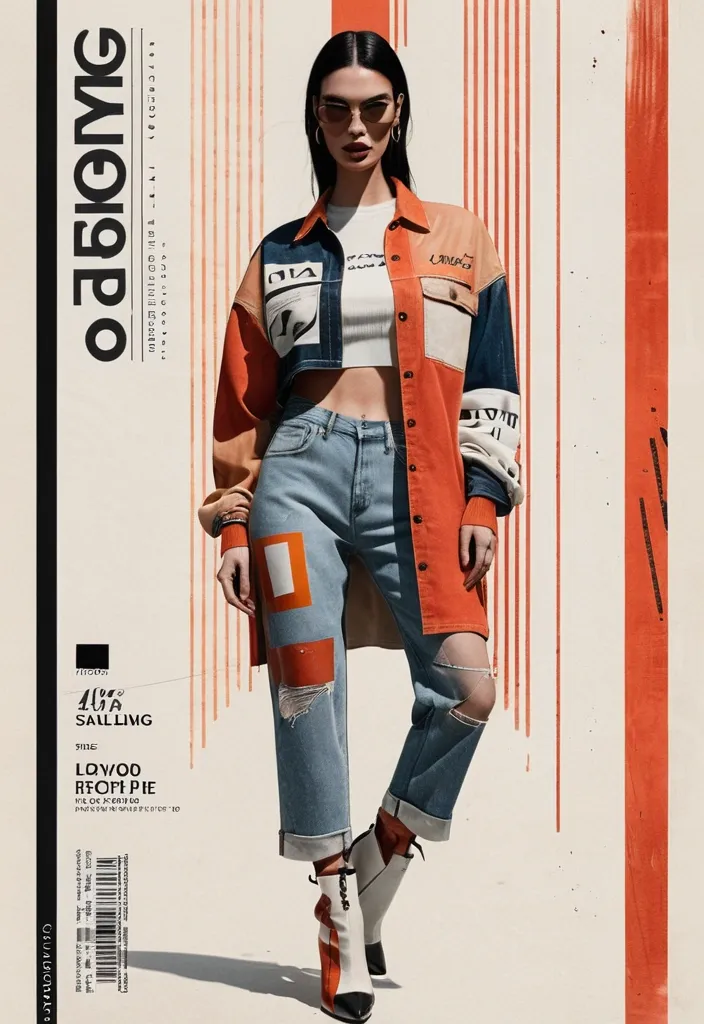
Create an ultra-realistic , high-end editorial fashion poster featuring a young woman with long , messy dark brown hair , wearing narrow black sunglasses , a Off White And Red Silk Heavy Embroidered Bridal Lehenga Choli With Dupatta. She is captured from a dramatic low-angle perspective , leaning forward and reaching one hand toward the camera. Her hand is close to the lens , creating a strong perspective and slight motion blur. Her head is tilted upward , with a confident , rebellious expression. Her hair flows naturally in the wind. The background is a vintage mixed-media collage with a textured cream paper base , large distressed red and orange geometric circles and rectangles , hand-drawn black-and-white birds in flight , fine botanical branches , and subtle grunge marks. Typography and graphic design: oversized bold white text reading “HALLO” across the lower-left section , with large black text reading “IT” underneath. Add small editorial text such as “CHASE WHAT SETS YOUR SOUL ON FIRE , ” “LIVE IN THE MOMENT. BE YOU. NO FILTER , ” and “KEEP GOING , KEEP GROWING.” Include vertical Gujarati typography on the right , thin decorative lines , abstract symbols , barcode graphics , handwritten brush lettering , and minimalist editorial details. Color palette: warm cream , distressed red , orange , black , white , and muted denim blue. Add vintage paper grain , screen-print texture , faded ink , subtle scratches , and authentic collage imperfections. Composition: vertical fashion magazine cover , dramatic low-angle shot , dynamic subject placement , layered graphic elements , professional art direction , realistic skin texture , cinematic lighting , premium streetwear editorial aesthetic. Aspect ratio: 2:3 vertical , ultra-detailed , 4K photorealistic. ,
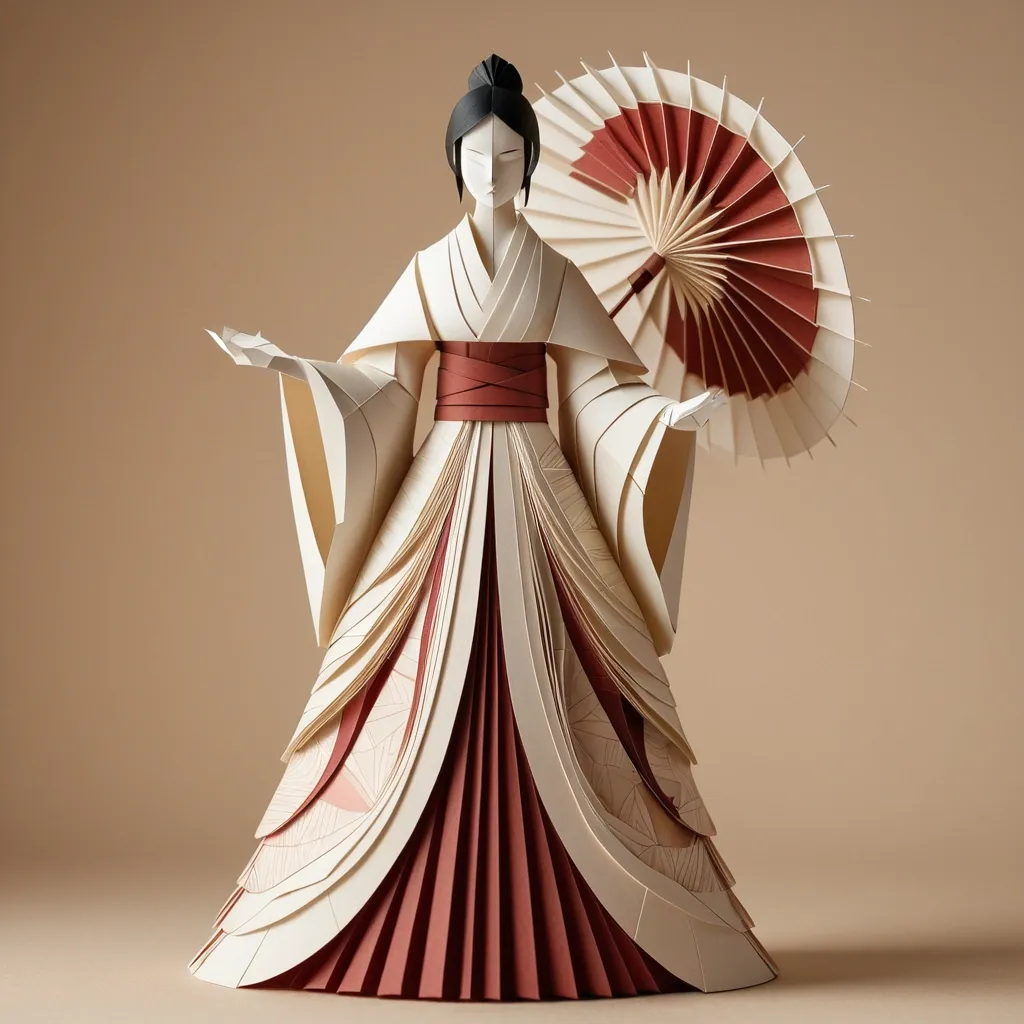
Create a collection of elegant handcrafted paper sculptures featuring stylized human characters , designed entirely from precisely folded , layered , and cut paper. Use a sophisticated low-poly origami aesthetic with sharp geometric planes , visible paper fibers , clean folds , dimensional layering , and realistic soft shadows. Japanese-inspired woman: A faceless stylized female figure wearing an elaborate traditional Japanese-inspired kimono constructed from layered cream , ivory , burgundy , and muted red paper. Add intricate floral patterns , textured handmade paper , wide geometric sleeves , and a large circular folded parasol behind her. Long flowing layered garments spread naturally toward the floor. Warm neutral background , delicate handcrafted details. Overall aesthetic: premium handcrafted origami sculpture , 3D paper art , low-poly geometry , museum-quality craftsmanship , realistic cardstock texture , precise folds and cut edges , elegant proportions , minimalist facial features , soft cinematic lighting , subtle depth of field , highly detailed , photorealistic paper material , vertical composition , sophisticated artistic presentation. ,
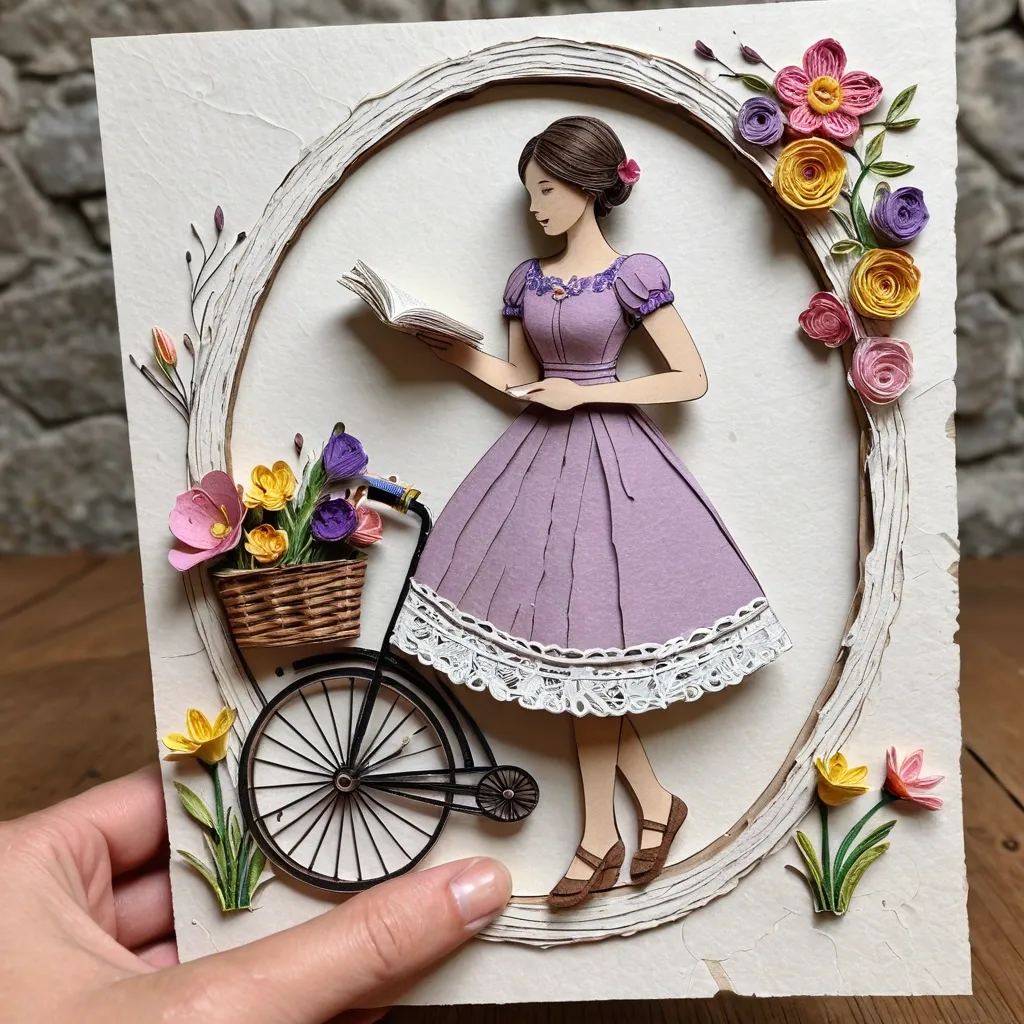
A high-detail close-up shot resting on a rustic wooden table featuring an off-white , deckle-edged handmade textured paper card with rough torn borders. Stepping out from the center of the vintage paper card in a dynamic 3D relief effect is a joyful miniature student girl with styled brown hair , wearing a school dress She holds a miniature books in other hand while gracefully with her bicycle hem with the other to step forward on stone street path. Around the base of the card , intricate 3D floral embroidery , tiny sculpted flowers in pink , yellow , and purple , small birds , and a woven miniature flower basket sprout from the paper. On the right side of the frame , a person’s hand holds a fine-tip black pen , actively drawing delicate line art flourishes onto the card surface. ,
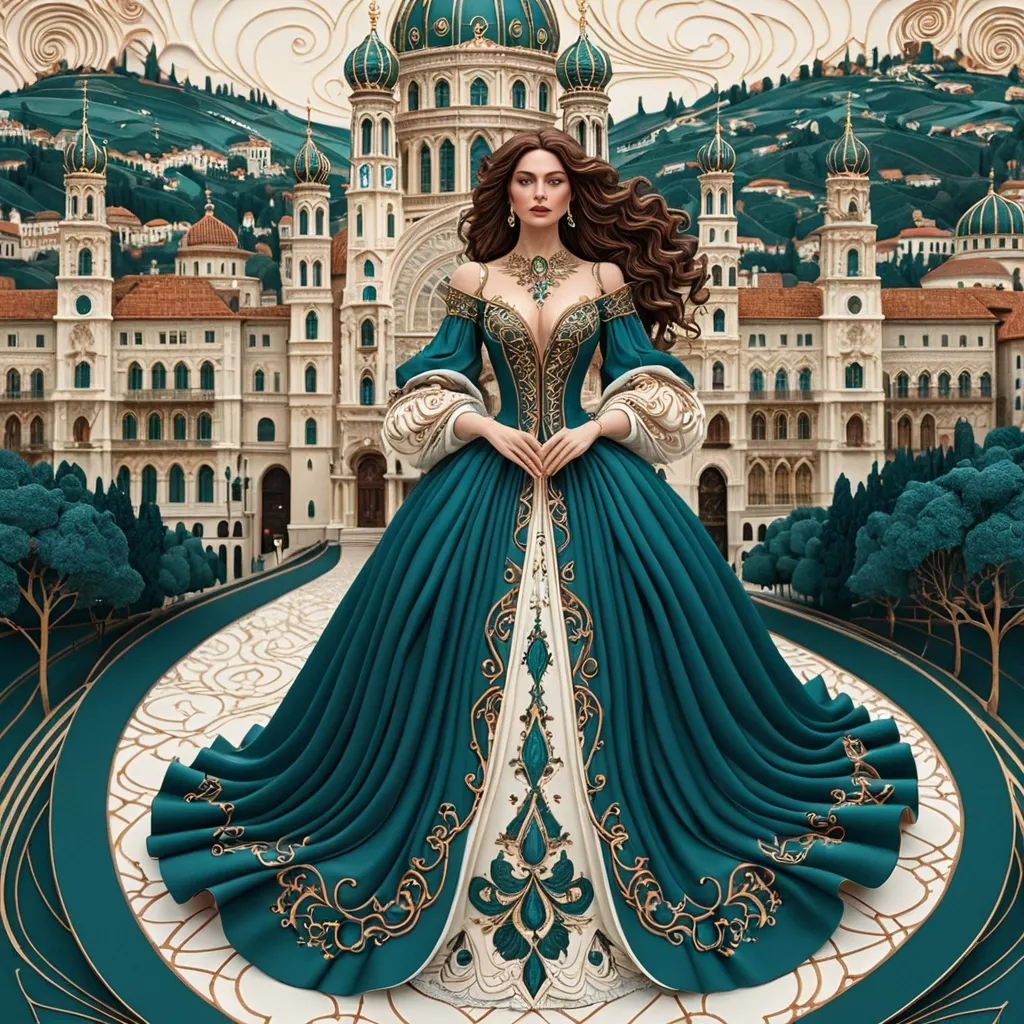
Create a highly detailed vertical fantasy editorial illustration of an elegant young woman standing gracefully in the center , with flowing wavy brown hair and a serene confident expression , wearing a luxurious teal-blue Renaissance-inspired dress with a cream-white billowing blouse , intricate gold embroidery , ornate belt and elegant brown lace-up heels. Her arms are posed gracefully as enormous flowing ribbon-like landscapes spiral around her body , carrying miniature European cities , grand domes , churches , towers , villas , roads , trees and architectural details. The cityscape should seamlessly merge with her dress and form a magical three-dimensional miniature world wrapping around her figure. Add swirling clouds , ornamental curls , floating decorative elements and fine gold linework. Use embossed textile/paper-relief textures , handcrafted embroidery details , warm cream background , deep teal , ivory , gold , terracotta , brown and muted green palette , soft vintage studio lighting , realistic face and anatomy , luxurious fashion illustration , cinematic depth , extremely intricate details , elegant museum-quality composition , no text , no letters , no signature , no watermark. ,
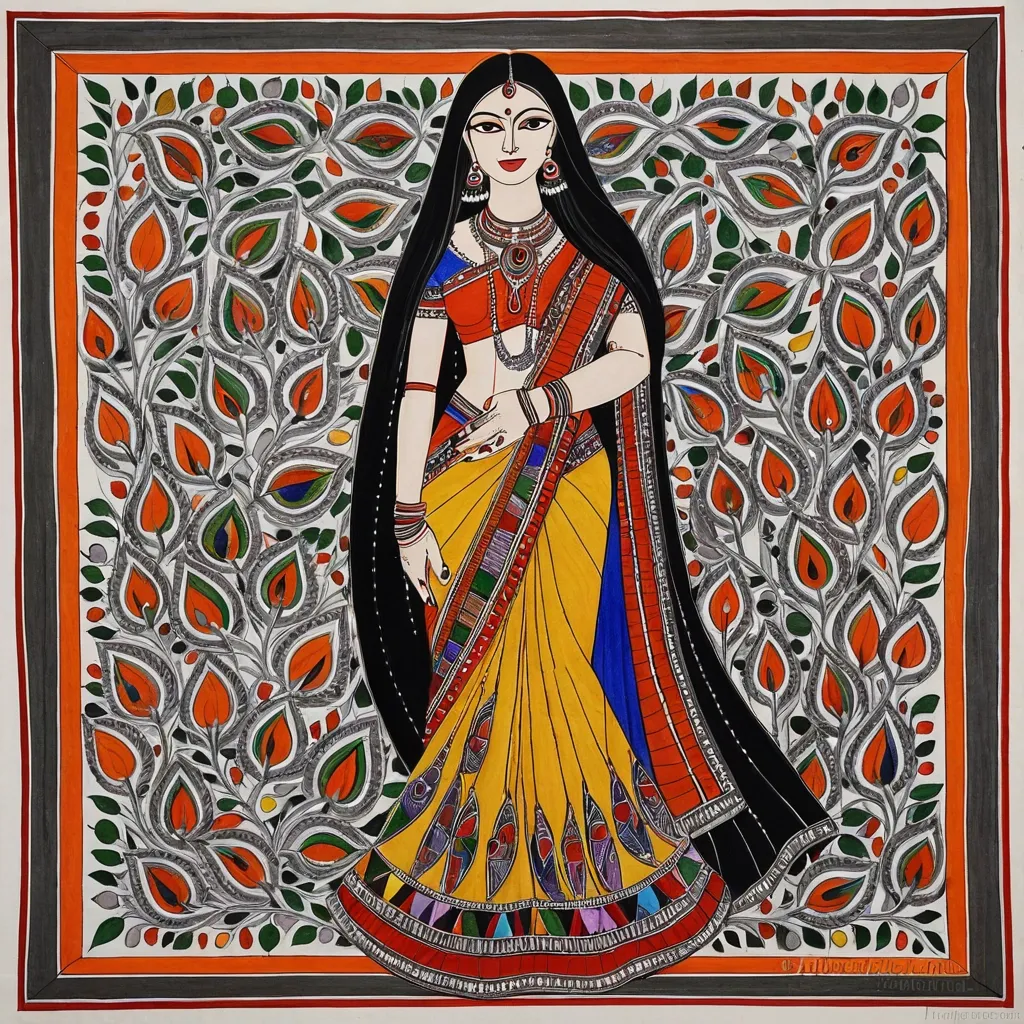
A traditional Madhubani art paintings of mature Indian woman in a sleek , with long , flowing black hair , draped in a vibrant traditional Saree. The image captures her standing elegantly. The overall aesthetic conveys the refined , fluid , cohesive , and professional quality of traditional Madhubani art paintings with heavy mineral pigments on paper. ,
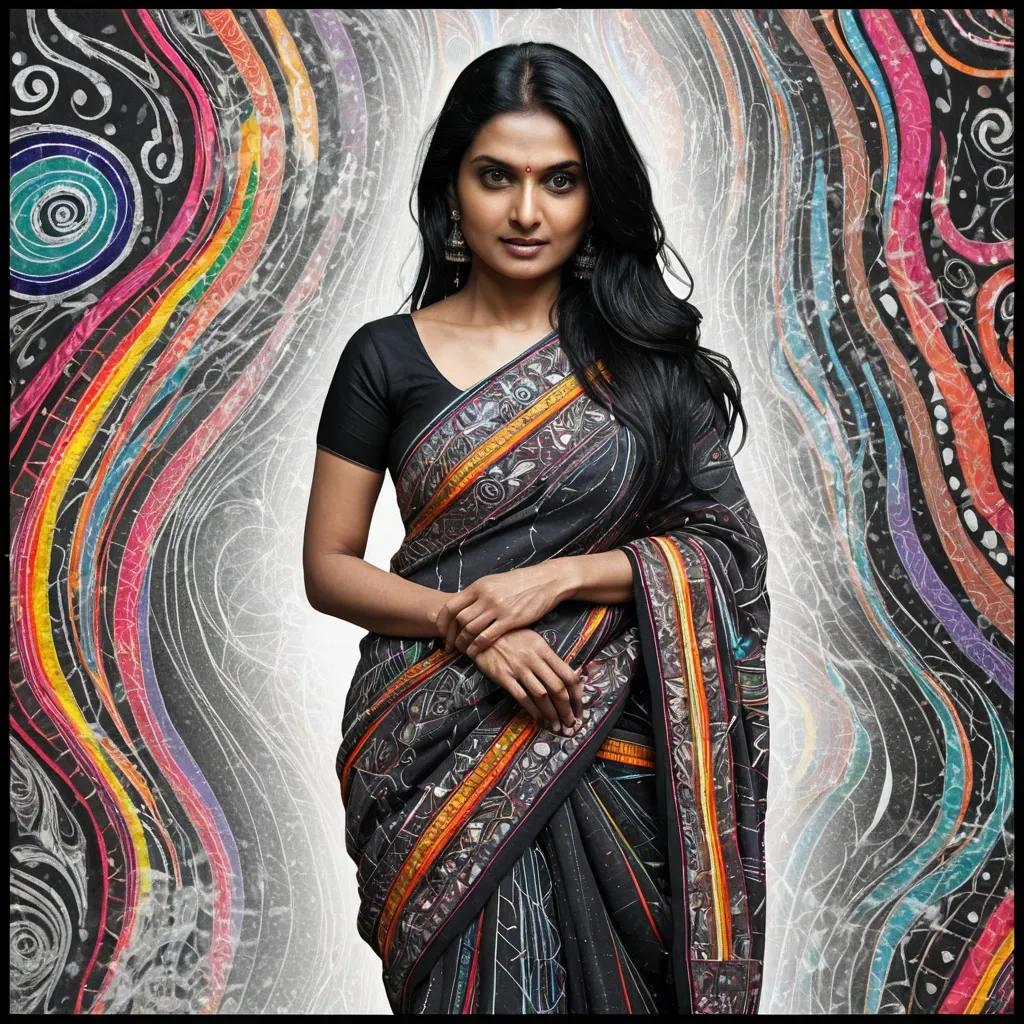
A mature Indian woman in a sleek , with long , flowing black hair , draped in a vibrant traditional Saree. The image captures her standing elegantly , the Saree's fabric intricately patterned and flowing around her. The overall aesthetic conveys the refined , fluid , cohesive , and professional quality of traditional Madhubani art with heavy mineral pigments on paper. Avoid: broken or fragmented lines , micro-fragmented textures , frizzy hair details , shattered cloud patterns , mottled coloring , faded or distressed effects , modern neon , 3D CG , screen-filling special effects , cluttered backgrounds , and large , modern poster-style headlines. ,
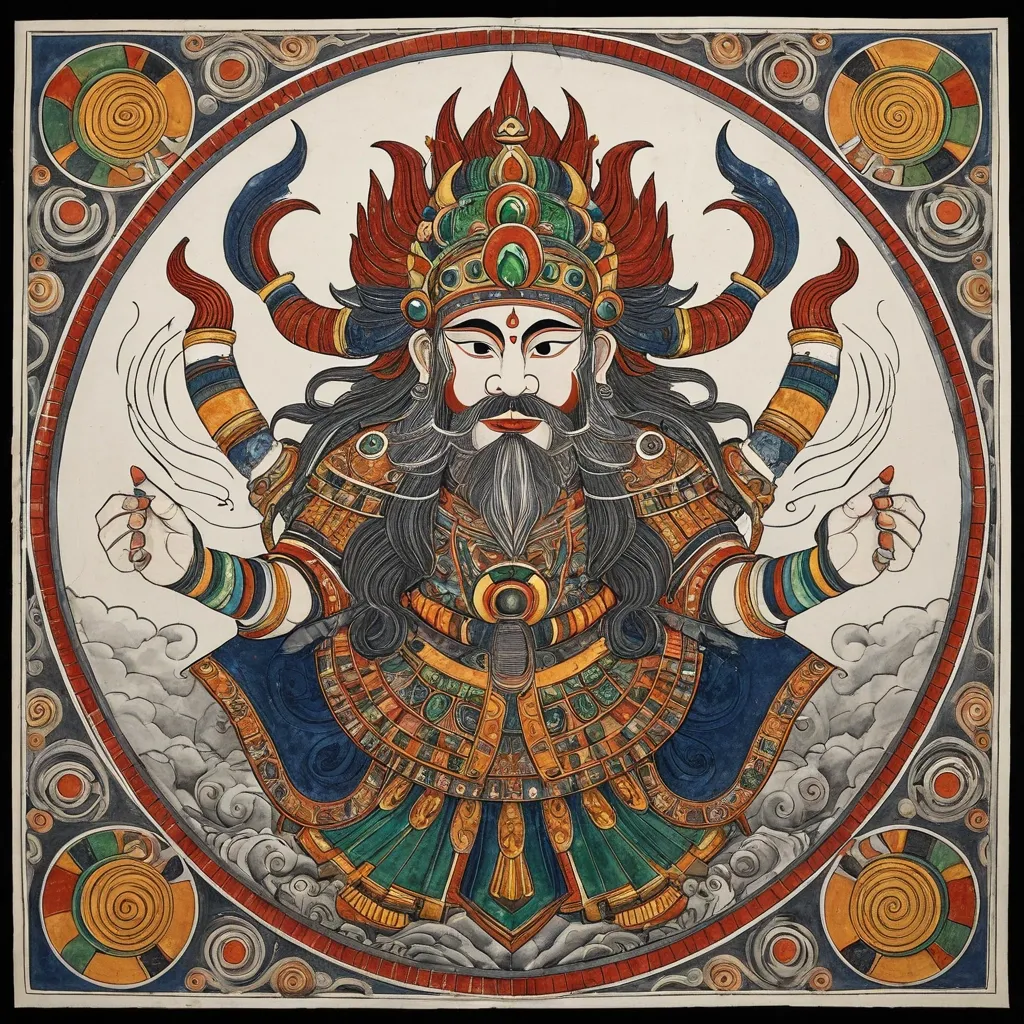
Generate an illustration of an Eastern deity in the style of Madhubani art sacred art , centering on the Zhong Kui and incorporating the Fire-Tipped Spear and Divine Beast to create a cohesive composition. Elements such as artifacts , wings , ghosts , ribbons , clouds , or divine manifestations must not serve merely as decoration; instead , they must collectively form clear structural patterns—such as diagonals , circles , S-curves , radial lines , or frontal subjugation poses—to imbue the image with a distinct sense of dynamic momentum (*shi*). The overall style should blend the aesthetics of traditional deity paintings , *Gongbi* heavy-color painting , *Baimiao* (fine-line drawing) , and ancient illustrated scrolls. The figure should appear solemn , divine , and imposing , avoiding the look of modern idols or game CG characters. Attire should follow traditional systems of divine robes , armor , and headdresses , incorporating continuous patterns such as cloud , thunder , scale , beast-face , meander (Greek key) , and scrolling vine motifs. Prioritize highly continuous Madhubani art line work: render hair , beards , and the fur or feathers of divine beasts with smooth , long lines that follow natural flow; depict clouds , garment hems , and ribbons using unbroken S-curves and C-curves; ensure that patterns on armor , crowns , and clothing are structurally complete and continuously closed. Minimize fragmented textures; avoid random short strokes , dense broken lines , jagged hair edges , or noise-like etching patterns. The color palette employs uniform , rich , and continuous traditional heavy mineral pigments. Centered around a core tone , it incorporates azurite blue , malachite green , ink-blue , antique gold , copper gold , cinnabar , ochre red , and ivory white. While low in saturation , the colors maintain high pigment density and transition naturally and smoothly along the forms; the finish should be free of mottling , fading , stains , graininess , or artificial distressing. The background features clean , warm-toned ivory *xuan* paper with extensive negative space , accented only by minimal continuous-line cloud motifs , vertical inscriptions , and cinnabar seals. The composition balances high information density in the subject matter with low density in the background. The overall aesthetic conveys the refined , fluid , cohesive , and professional quality of traditional Madhubani art painting with heavy mineral pigments on paper. Avoid: broken or fragmented lines , micro-fragmented textures , frizzy hair details , shattered cloud patterns , mottled coloring , faded or distressed effects , modern neon , 3D CG , screen-filling special effects , cluttered backgrounds , and large , modern poster-style headlines. ,
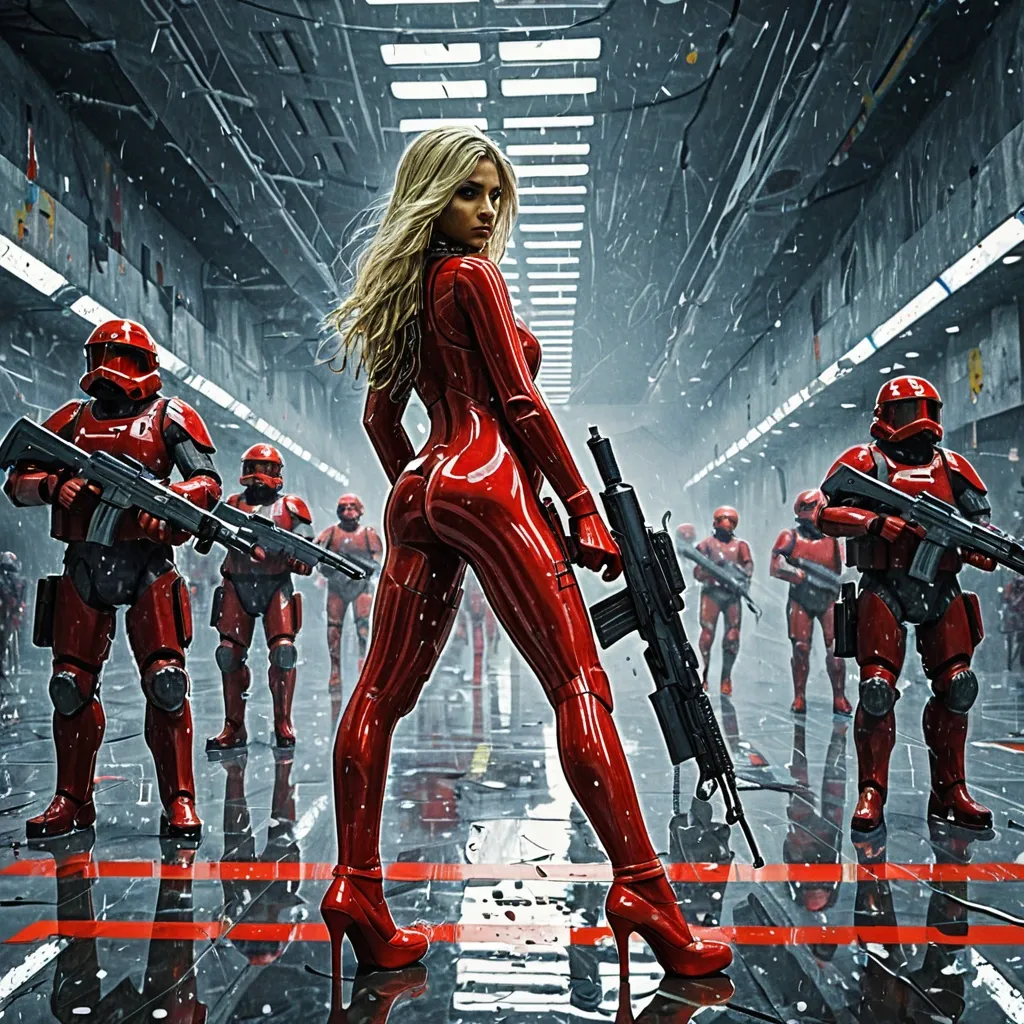
a painterly digital rendering of a futuristic military hangar. a blonde woman in a sleek , reflective red bodysuit , helmet , and red heels stands in a three quarter back view , holding an assault rifle. the wet floor reflects her red outfit and the surrounding blue environment. in the background , a helicopter is parked on the right side of the frame , and a squad of soldiers in grey armor are marching. the entire image has a highly textured , thick brushstroke digital painting style. The overall aesthetic conveys the refined , fluid , cohesive , and professional quality of traditional Madhubani art painting with heavy mineral pigments on paper. Avoid: broken or fragmented lines , micro-fragmented textures , frizzy hair details , shattered cloud patterns , mottled coloring , faded or distressed effects , modern neon , 3D CG , screen-filling special effects , cluttered backgrounds , and large , modern poster-style headlines. ,
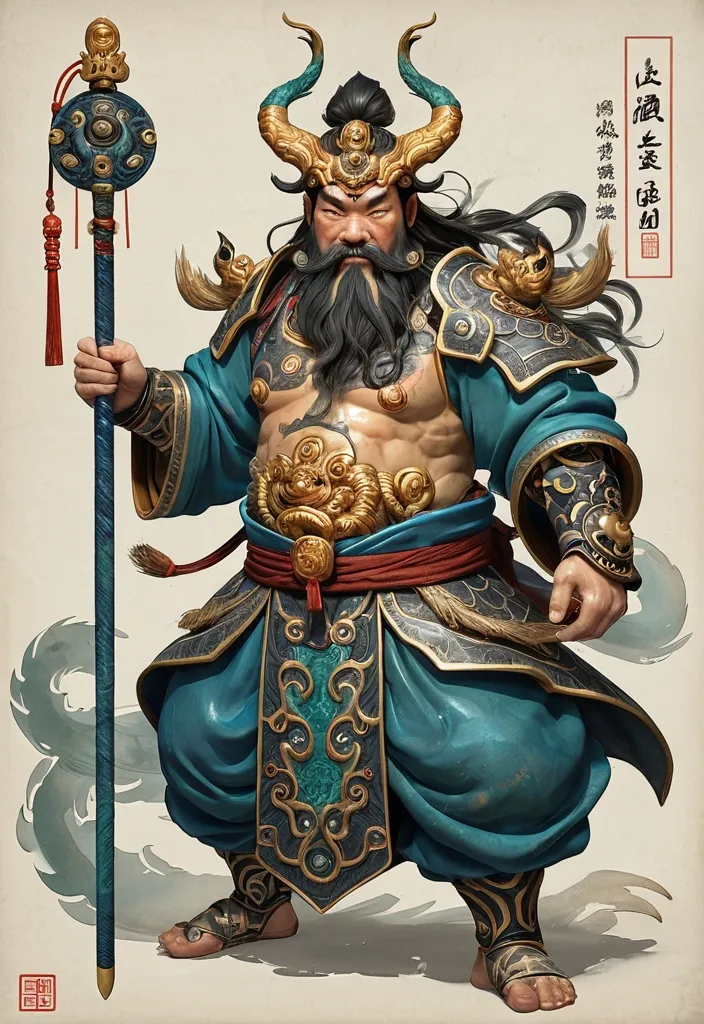
Deity Identity: Zhong Kui Core Artifact: Fire-Tipped Spear Divine Beast: Three-Eyed Manifestation Color Palette: Azurite & Antique Gold Composition Style: Spiraling Leap Overall Aura: Grotesque Aspect Ratio: [5:8] Generate an illustration of an Eastern deity in the style of *Gongbi* (meticulous brushwork) sacred art , centering on the Zhong Kui and incorporating the Fire-Tipped Spear and Divine Beast to create a cohesive composition. Elements such as artifacts , wings , ghosts , ribbons , clouds , or divine manifestations must not serve merely as decoration; instead , they must collectively form clear structural patterns—such as diagonals , circles , S-curves , radial lines , or frontal subjugation poses—to imbue the image with a distinct sense of dynamic momentum (*shi*). The overall style should blend the aesthetics of traditional deity paintings , *Gongbi* heavy-color painting , *Baimiao* (fine-line drawing) , and ancient illustrated scrolls. The figure should appear solemn , divine , and imposing , avoiding the look of modern idols or game CG characters. Attire should follow traditional systems of divine robes , armor , and headdresses , incorporating continuous patterns such as cloud , thunder , scale , beast-face , meander (Greek key) , and scrolling vine motifs. Prioritize highly continuous *Gongbi* line work: render hair , beards , and the fur or feathers of divine beasts with smooth , long lines that follow natural flow; depict clouds , garment hems , and ribbons using unbroken S-curves and C-curves; ensure that patterns on armor , crowns , and clothing are structurally complete and continuously closed. Minimize fragmented textures; avoid random short strokes , dense broken lines , jagged hair edges , or noise-like etching patterns. The color palette employs uniform , rich , and continuous traditional heavy mineral pigments. Centered around a core tone , it incorporates azurite blue , malachite green , ink-blue , antique gold , copper gold , cinnabar , ochre red , and ivory white. While low in saturation , the colors maintain high pigment density and transition naturally and smoothly along the forms; the finish should be free of mottling , fading , stains , graininess , or artificial distressing. The background features clean , warm-toned ivory *xuan* paper with extensive negative space , accented only by minimal continuous-line cloud motifs , vertical inscriptions , and cinnabar seals. The composition balances high information density in the subject matter with low density in the background. The overall aesthetic conveys the refined , fluid , cohesive , and professional quality of traditional *gongbi* (meticulous brushwork) painting with heavy mineral pigments on paper. Avoid: broken or fragmented lines , micro-fragmented textures , frizzy hair details , shattered cloud patterns , mottled coloring , faded or distressed effects , modern neon , 3D CG , screen-filling special effects , cluttered backgrounds , and large , modern poster-style headlines. ,
Generate a 9:16 poster featuring an Eastern poetic aesthetic , characterized by flowing light and generous negative space. Distill a two-character theme and a core emotion from the original poetic verse. Avoid replicating a complete traditional scene; instead , achieve a visual translation using a small , singular subject and a specific form of light movement (e.g. , fragmented , continuous , scattered , converging , flowing , veiled , or translucent). Use a background of premium , pure-white handmade art paper with 65%–75% negative space , while the subject occupies only 8%–20% of the composition. Incorporate meaningful white bas-relief elements—such as rain streaks , water ripples , mountain ridges , wind lines , old paths , or floral shadows—that appear minimalist from a distance but reveal themselves upon closer inspection. Subtly introduce iridescent accents—pearl white , ice blue , pale violet , celadon green , champagne gold , or amber gold—allowing light to emerge naturally from elements like water , porcelain , jade , paper , or spatial paths to create a shimmering , ethereal glow. Keep the use of color restrained; avoid neon effects or full-screen gradients. Human figures may appear minuscule or be omitted entirely , with "human presence" suggested only through objects such as a teacup , bamboo staff , empty chair , letter , or illuminated window. Feature the two-character theme as the main title , accompanied by a concise poetic line , location , date , and an English subtitle. ,
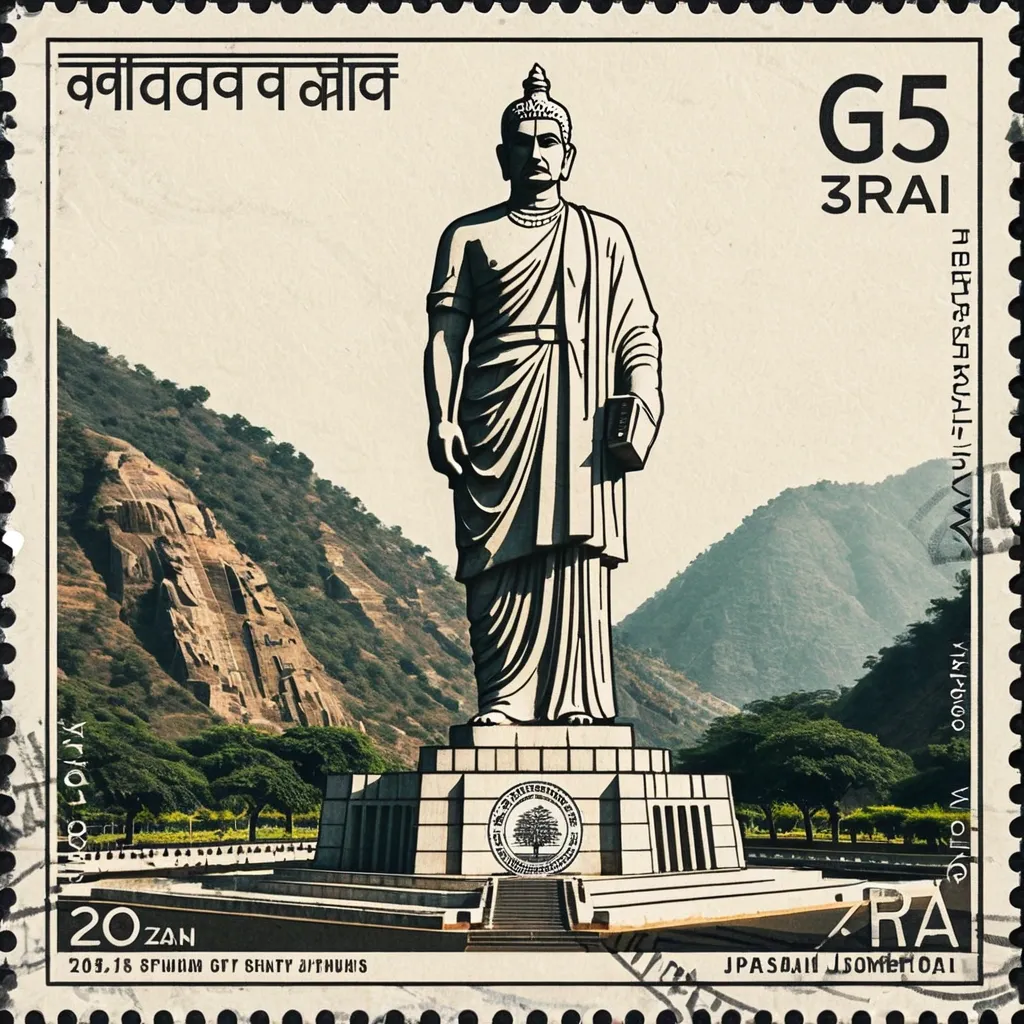
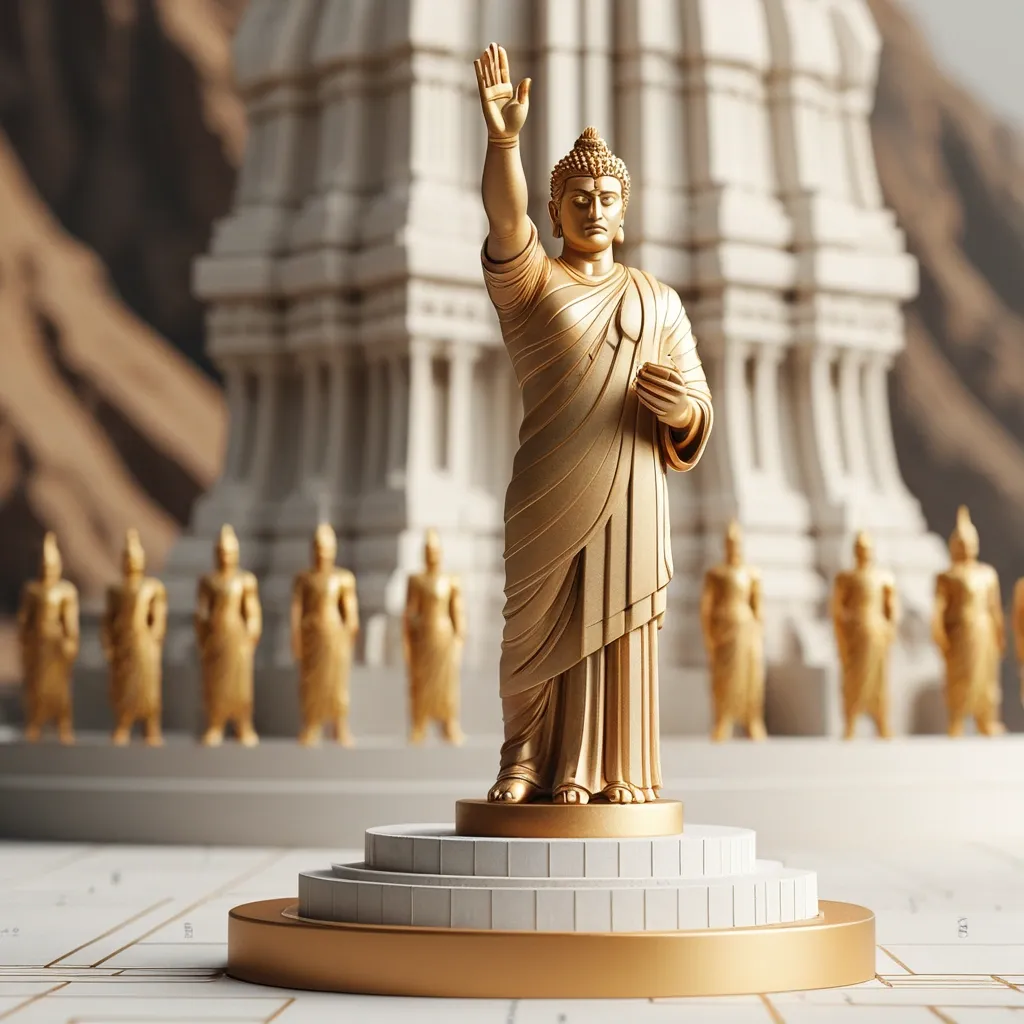
Create a realistic photographic scene of Statue Of Unity , accurately depicting its recognizable architecture , landscape , people , vegetation , terrain , perspective , lighting , shadows , and natural atmosphere. The scene must remain photographic and realistic , with only subtle archival grading and fine film grain. Make it resemble an authentic vintage travel postage stamp with: Subtle perforated edges Aged printed texture Mild ink absorption Slight print wear and tonal variation Natural analog character POSTAGE TYPOGRAPHY Integrate small vintage postal typography directly into the stamp: Statue Of Unity Small Narmada valley , near Kevadia in the state of Gujarat , India POSTAGE denomination or numerical value October 2013–October 2018 Optional small serial/issue number Use restrained serif , engraved , condensed , or archival lettering with subtle fading and imperfect ink. Keep typography away from important visual details. Avoid modern branding , fake government logos , and decorative slogans. RIGHT — RUBBER STAMP Create a small 2–4 color hand-carved rubber-stamp impression representing the most recognizable features of Statue Of Unity. Simplify the scene into strong visual shapes such as architecture , mountain contours , roads , shorelines , settlements , vegetation , or distinctive silhouettes. Remove unnecessary crowds , vehicles , repetitive buildings , and fine details. Place the stamp in the lower-middle of the right panel , occupying about 30–38% of the panel height , with generous whitespace. Use muted colors inspired by the destination. Add authentic handmade imperfections: uneven carving , broken edges , dry ink , paper show-through , granular texture , uneven pressure , ghosting , and subtle 1–2 mm color misregistration. It should look like a genuine hand-stamped mark on aged paper , never a clean vector logo. FIELD-NOTE TEXT Add small typewriter-style text near the stamp: Statue Of Unity No. 2018 182 metres · Narmada valley · Ekta Nagar 2018 October Keep the text small , understated , and secondary. STYLE Quiet , archival , tactile , regional , understated , and collectible — like a genuine travel document combining a vintage photographic postage stamp with an architect's field-note rubber stamp. ,
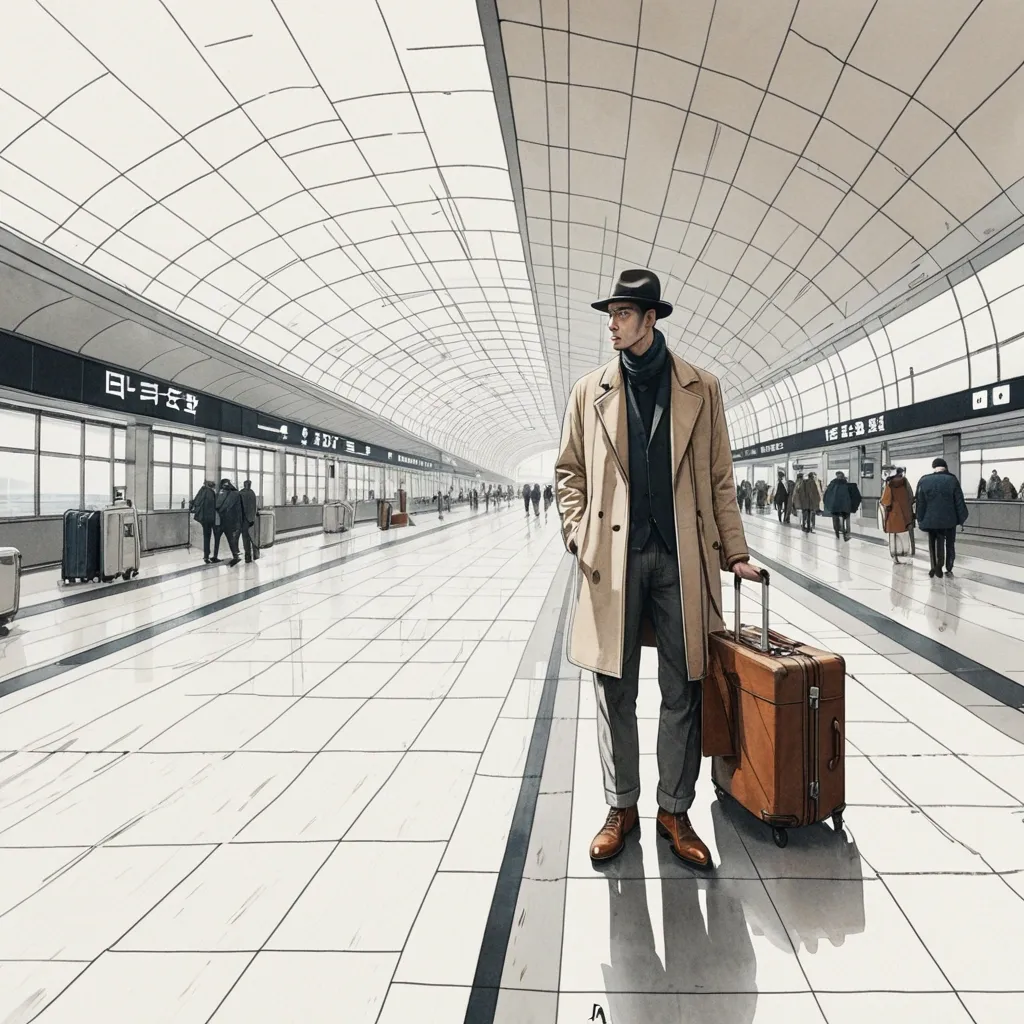
Create a nostalgic contemporary travel-journal artbook page based on the reference image. Preserve the exact same person , facial identity , facial features , hairstyle , pose , expression , clothing , luggage , proportions , camera angle , composition , and emotional atmosphere from the reference image. Divide the page vertically into two seamlessly connected sections. The upper section is an ultra-realistic cinematic airport photograph: the same person standing quietly in a modern airport terminal with a carry-on suitcase beside them , soft natural window light , subtle reflections on polished floors , realistic skin texture , authentic colors , shallow depth of field , delicate film grain , natural candid body language , and a quiet pre-departure atmosphere. The lower section transforms the exact same scene , person , luggage , and composition into a loose Korean illustration aesthetic , Watercolor line art illustration on warm off-white textured paper. Preserve the same pose and perspective while using expressive imperfect lines , rough cross-hatching , minimal shading , subtle architectural details , small directional arrows , luggage outlines , terminal signage shapes , and handmade sketchbook imperfections. Add tasteful editorial typography around the illustration: a small numbered diary entry , handwritten-style caption , tiny documentary notes , subtle timestamp , gate-style notation , and minimal travel-journal annotations. Keep generous cream-colored negative space , slightly imperfect ink printing , understated vintage layout , emotionally warm and cinematic , premium contemporary photography journal aesthetic , cohesive transition between photograph and drawing , highly detailed , natural human anatomy , authentic proportions , no watermark , no logos. ,
Create a highly detailed , photorealistic miniature travel-poster diorama for Statue Of Unity , presented as a physical 3D scene on a Green paper background. In the foreground , a realistic human hand holds a vintage-style Statue Of Unity Travel-ticket vertically on the left side. The orange ticket has clean , believable typography and subtle paper texture. Behind and partially emerging through the card , create a miniature London city scene featuring Statue of Unity (the world's tallest statue , with a height of 182 metres , located in Narmada valley , near Kevadia in the state of Gujarat) and the Narmada Dam as the main landmark , a women-driven tiny Pink E-Autorickshaw on a realistic miniature street , pedestrians , cyclists , street signs , pavement , and small urban details. Make the scene appear to physically extend out of the card like a handcrafted pop-up travel diorama , with realistic depth , shadows , layered surfaces , and slight perspective. Surround the central scene with delicate black-and-white hand-drawn travel illustrations on the cream background: a small Sightseeing transportation by SOU Bus Eye sketch in the upper left , a Butterfly & Cactus Garden illustration in the upper right , a Valley of Flowers sketch on the right , and a small Jungle Safari by Golf Cart sketch near the bottom. Add subtle handwritten travel-note elements and thin architectural line drawings , but keep the composition elegant and uncluttered. Warm editorial travel-magazine aesthetic , vintage paper grain , subtle ink imperfections , refined scrapbook composition , soft natural studio lighting , realistic miniature architecture , tactile paper textures , shallow depth of field around the edges , crisp central details , premium travel postcard design , sophisticated neutral palette with Statue of Unity Golden accents , highly realistic hand and fingers , cinematic product photography , 8K detail , vertical 1:1 composition. ,
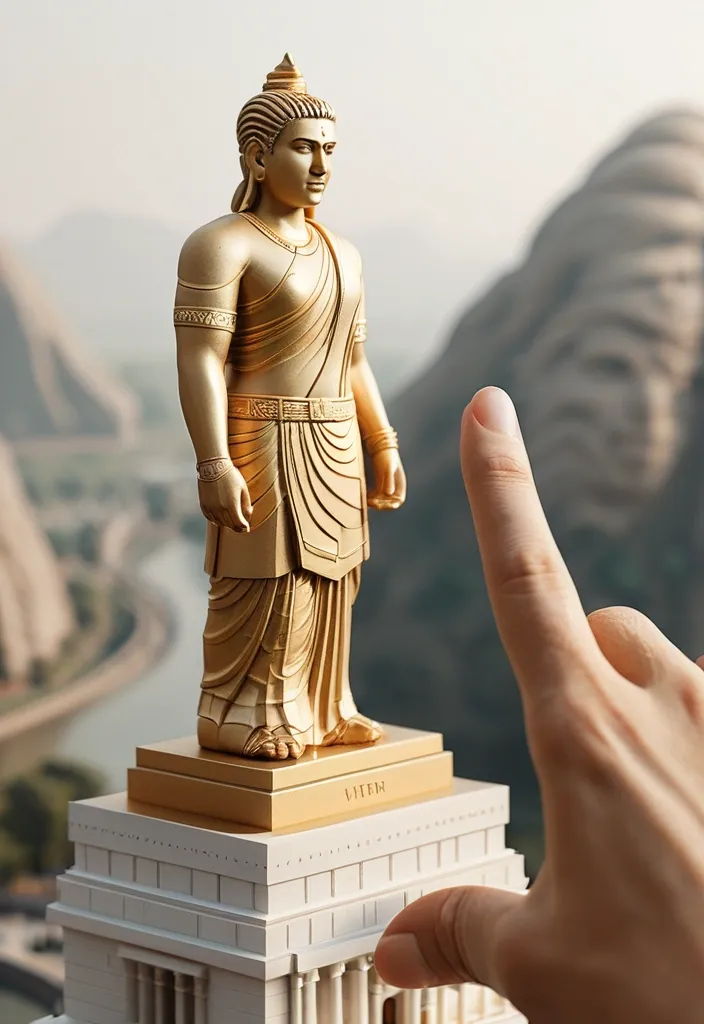
Create a highly detailed , photorealistic miniature travel-poster diorama for Statue Of Unity , presented as a physical 3D scene on a green paper background. In the foreground , a realistic human hand holds a vintage-style Statue Of Unity Day Travel-card vertically on the left side. The orange card has clean , believable typography and subtle paper texture. Behind and partially emerging through the card , create a miniature London city scene featuring Statue of Unity (the world's tallest statue , with a height of 182 metres , located in Narmada valley , near Kevadia in the state of Gujarat) and the Narmada Dam as the main landmark , a women-driven classic Pink E-Autorickshaw on a realistic miniature street , pedestrians , cyclists , street signs , pavement , and small urban details. Make the scene appear to physically extend out of the card like a handcrafted pop-up travel diorama , with realistic depth , shadows , layered surfaces , and slight perspective. Surround the central scene with delicate black-and-gray hand-drawn travel illustrations on the cream background: a small Sightseeing transportation by SOU Bus Eye sketch in the upper left , a Butterfly & Cactus Garden illustration in the upper right , a Valley of Flowers sketch on the right , and a small Jungle Safari by Golf Cart sketch near the bottom. Add subtle handwritten travel-note elements and thin architectural line drawings , but keep the composition elegant and uncluttered. Warm editorial travel-magazine aesthetic , vintage paper grain , subtle ink imperfections , refined scrapbook composition , soft natural studio lighting , realistic miniature architecture , tactile paper textures , shallow depth of field around the edges , crisp central details , premium travel postcard design , sophisticated neutral palette with Statue of Unity Golden accents , highly realistic hand and fingers , cinematic product photography , 8K detail , vertical 4:5 composition. ,
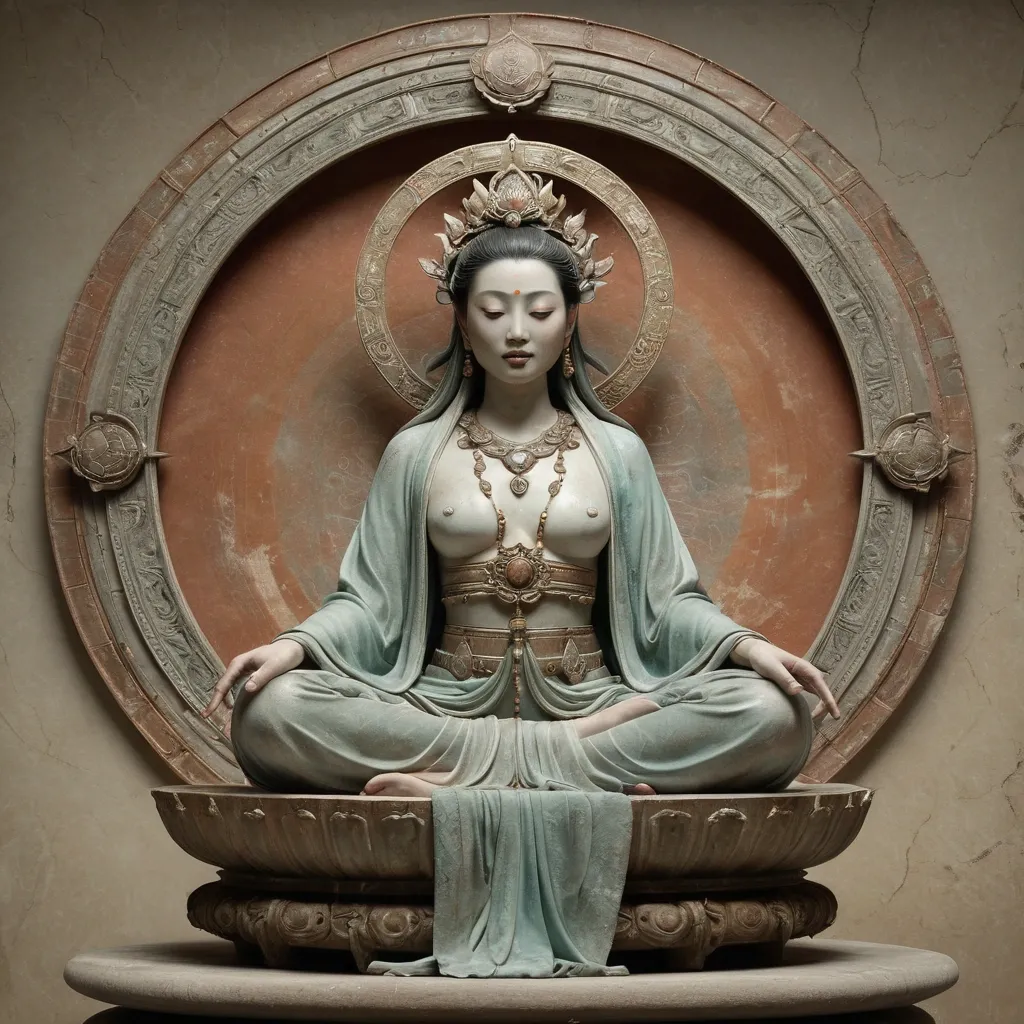
Create an ultra-premium East Asian sacred art poster that merges Orbit-style symbolic monumentality with Transit-style museum-grade elegance , while adding an appropriate faded watercolor-like antique patina across the entire image. Show one serene celestial goddess seated front-facing on a large layered lotus throne rising from dark weathered rocks above shallow swirling water , centered in a tall vertical frame. Behind her head , place one large circular ornamental halo-disc filled with intricate floral and sacred relief patterns , perfectly framing her upper body like a ceremonial mandala. The final artwork must feel sacred , elegant , antique , softly aged , painterly , and collectible , like a rare devotional mural-painting artifact. No title , no logo , no readable text , no real person identity. Core composition: Use a strict centered vertical composition with the goddess occupying the full central axis from halo to lotus base. Her seated body must feel calm , monumental , and balanced. One leg lowers naturally toward the rock base while the other rests higher in a graceful asymmetrical pose. The lotus throne and rock base must anchor the composition with strong sacred weight. The circular halo-disc behind her should be large , full , and nearly iconic in scale , creating a powerful devotional silhouette. Orbit enhancement: Increase the monumentality of the sacred icon structure. The halo-disc should feel larger and more complete behind the figure , almost pressing the full spiritual force of the image forward. The lotus throne and rock base should feel more substantial and sculptural , giving the figure stronger divine presence. The whole composition should read immediately as a powerful three-part symbol: centered goddess , circular halo , lotus-rock throne. Transit enhancement: Refine the image into a more international museum-art language. The palette should feel quieter , more mineral , more elegant , and more globally collectible. Reduce any overly warm or decorative saturation. Keep the lighting restrained , the materials sophisticated , and the overall impression like a high-end exhibition poster for an ancient sacred masterpiece. Aged light-color patina: This is the key addition. Apply an appropriate light faded antique wash across the entire image , as if the artwork has lived on silk , fresco plaster , or mineral paper for centuries. The patina should be subtle and beautiful: soft desaturation , slight powdery pigment bloom , gentle worn edges , faint watercolor-like tonal diffusion , and delicate aged surface calm. It must not look dirty or damaged. The result should feel like elegant time-softened color , not decay. Figure design: Design an original adult divine feminine figure inspired by classical East Asian sacred sculpture and devotional painting. She must feel compassionate , serene , and spiritually elevated. Her face should be delicate and calm , with lowered eyes , soft brows , subtle lips , and a peaceful meditative expression. Her anatomy must be elegant and natural , with correct shoulders , arms , hands , torso , and posture. She wears layered flowing robes with long trailing sashes and softly revealed upper chest in a sacred historical-art way , always dignified and ceremonial. Costume and ornament: Dress her in layered mineral-toned robes of celadon gray-green , faded terracotta , dusty coral , pale parchment , and aged ivory. Add refined antique jewelry , pendant chains , earrings , and a balanced floral-jewel headpiece. The fabrics and ornaments must feel softened by time , as if painted with diluted pigments over an aged surface. Halo-disc design: Render the halo as a richly ornamented circular disc with dense floral and sacred scroll relief in muted reddish-brown , aged copper , faded russet , and antique mineral tones. It should feel historical , intricately crafted , and devotional , with slightly softened edges from age. Lotus and base: Render the lotus throne as layered and sculptural with desaturated blue-green , gray-teal , and stone-lotus tones. The rock base beneath should feel dark , mineral , and weathered. Add shallow sacred water with gentle pale foam and flowing pattern logic. Everything below the figure must support stillness and icon gravity. Lighting: Use soft diffused sacred lighting from upper front-left with very gentle frontal fill. The figure , halo , lotus , and drapery should glow softly through muted tonal transitions. No harsh drama. The light must feel calm , spiritual , and respectful to the antique surface quality. Material rendering: Render skin like painted sacred sculpture with matte softness and delicate age integration. Render robes as faded silk-like mineral pigment drapery. Render jewelry with restrained antique-metal detail. Render halo and lotus with painted-relief texture and worn ceremonial richness. Render the full surface with subtle fresco grain , paper tooth , faint crackle , and collector-grade patina. Background: Keep the background pale , atmospheric , and minimal , built from parchment beige , faded mineral wash , cloudy plaster texture , and faint devotional atmosphere. No clutter , no crowded architecture , no unrelated objects. Color system: Use a restrained sacred palette of celadon gray-green , dusty terracotta , faded coral , aged ivory , parchment beige , muted russet , stone gray , desaturated blue-green , and dark mineral accents. The entire image should feel softened by time and unified by elegant antique color restraint. Image finish: The final artwork must feel like a world-class sacred art poster: serene , monumental , collectible , and gently time-worn. Preserve strong detail in the face , crown , halo ornament , robe folds , lotus petals , and rock textures , while bathing the whole piece in a refined aged light-color patina. 8k , museum-grade sacred visual quality. ,
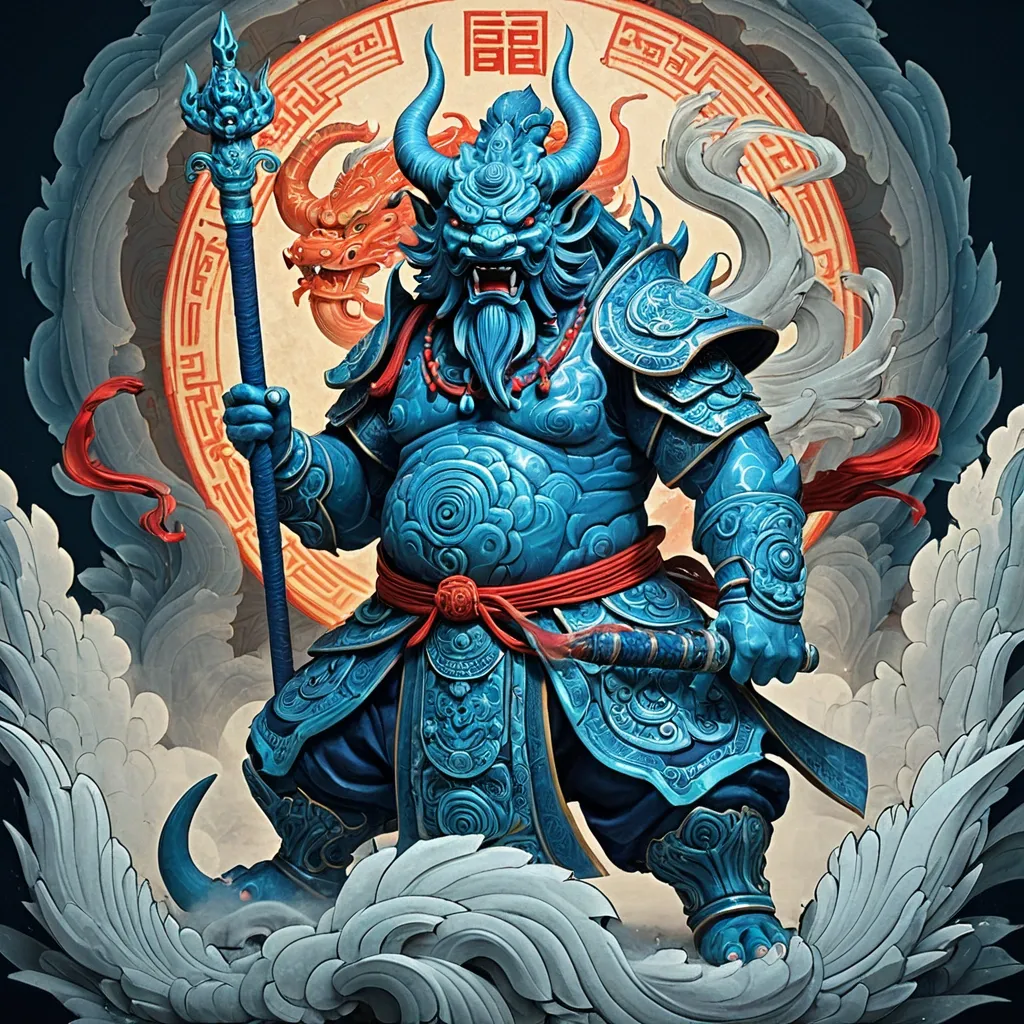
Deity Identity: Emperor Zhenwu Mythical Beast Type: Divine Rhino Weapon: Divine Sword Color Palette: Azurite Blue , Silver , & Gray Overall Aura: Exorcising Evil Composition Direction: Frontal Subjugation Generate an illustration of an Eastern deity and their mythical beast mount , blending visual languages from traditional deity paintings , *Gongbi* (meticulous brushwork) with rich colors , *Baimiao* (fine-line drawing) , folk woodblock prints , and ancient illustrated scrolls. The image features the "Deity + Mythical Beast" as dual subjects. The deity serves as the core visual focus , while the beast possesses significant scale and presence; they engage in a clear , dynamic interaction—such as mounting , guarding , charging side-by-side , or circling in protection—rather than a simple collage. The deity's face exudes majesty , divinity , and an imposing aura , avoiding both modern "idol-like" features and excessive demon-like distortion. Attire consists of highly detailed traditional divine armor or ritual robes , incorporating intricate patterns such as cloud motifs , thunder patterns , beast-face masks , scale armor textures , and scrolling vines. While details are rich , the figure's overall silhouette must remain distinct. The mythical beast embodies the spirit of a divine creature , spirit beast , or evil-warding mount , possessing a robust physique and a powerful stance. Fur , scales , and tortoise shells are rendered using numerous fine , directional lines to emphasize the texture of traditional *Gongbi* painting (defining form through line); avoid photorealistic fur or 3D CG textures. Weapons or artifacts are integrated into the composition to create distinct diagonal lines , vertical lines , or a primary axis of action. Avoid stiff , static poses for the figures; instead , incorporate actions such as twisting the torso , lowering a shoulder , leaning forward , wielding a weapon , forming a ritual hand seal , patrolling , or launching an attack to imbue the image with a distinct sense of dynamic momentum (*shi*). Integrate elements such as flowing sashes , fluttering sleeves , headdress ribbons , wisps of hair or beard , and swirls of cloud , smoke , or mist. These should harmonize with the figure's movement to create S-shaped , C-shaped , or swirling fluid lines. Ensure these flowing elements serve the overall theme rather than cluttering the composition merely for the sake of detail. Maintain the aesthetic of traditional *xuan* paper by preserving negative space. Use an off-white , ivory , or aged-paper tone as the base , adding only minimal elements—such as inscriptions , vermilion seals , cloud patterns , or wisps of smoke—to evoke the feel of an ancient illustrated scroll or sacred icon. Avoid complex backgrounds depicting palaces , battlefields , or full-scale landscapes. Employ a palette of low-saturation mineral pigments centered around a dominant hue. Complement this with colors such as ink black , deep blue-black , azurite blue , malachite green , antique gold , cinnabar , ochre red , and grayish-white. The overall tone should be elegant and restrained , using small accents of high-saturation color to add vibrancy. The final image must simultaneously convey the solemnity of an Eastern deity , the imposing presence of a mythical beast , the intricate detail of fine-line brushwork (*gongbi*) , the serene atmosphere of ancient *xuan* paper , and a clear , powerful compositional dynamism. Avoid: modern "Guochao" neon aesthetics , cyberpunk styles , the look of 3D game concept art , "plastic" CG textures , cluttered backgrounds , stiff figures , generic-looking mythical beasts , loose or sloppy linework , and excessive or garbled text. ,
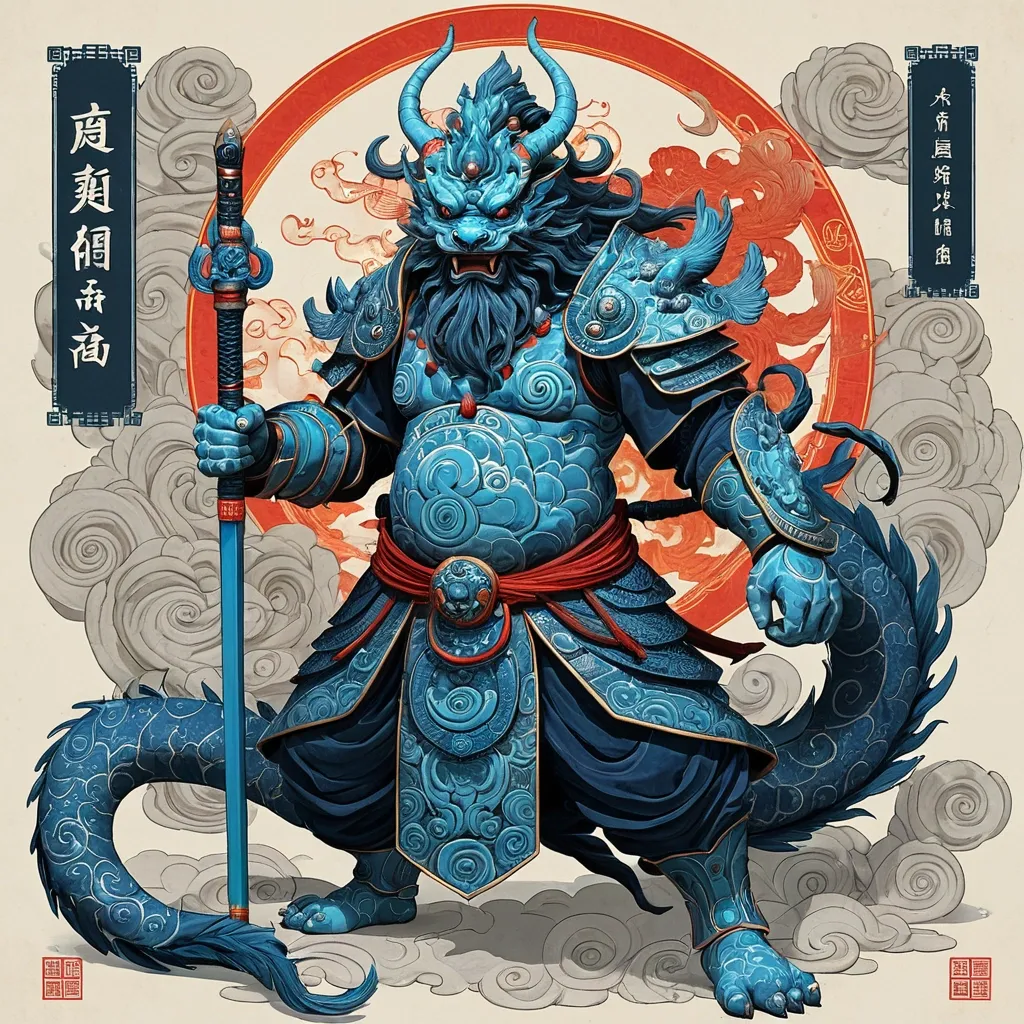
Prompt: [Replaceable Content] Deity Identity: Emperor Zhenwu Mythical Beast Type: Divine Hound Weapon: Divine Sword Color Palette: Azurite Blue , Silver , & Gray Overall Aura: Exorcising Evil Composition Direction: Frontal Subjugation Generate an illustration of an Eastern deity and their mythical beast mount , blending visual languages from traditional deity paintings , *Gongbi* (meticulous brushwork) with rich colors , *Baimiao* (fine-line drawing) , folk woodblock prints , and ancient illustrated scrolls. The image features the "Deity + Mythical Beast" as dual subjects. The deity serves as the core visual focus , while the beast possesses significant scale and presence; they engage in a clear , dynamic interaction—such as mounting , guarding , charging side-by-side , or circling in protection—rather than a simple collage. The deity's face exudes majesty , divinity , and an imposing aura , avoiding both modern "idol-like" features and excessive demon-like distortion. Attire consists of highly detailed traditional divine armor or ritual robes , incorporating intricate patterns such as cloud motifs , thunder patterns , beast-face masks , scale armor textures , and scrolling vines. While details are rich , the figure's overall silhouette must remain distinct. The mythical beast embodies the spirit of a divine creature , spirit beast , or evil-warding mount , possessing a robust physique and a powerful stance. Fur , scales , and tortoise shells are rendered using numerous fine , directional lines to emphasize the texture of traditional *Gongbi* painting (defining form through line); avoid photorealistic fur or 3D CG textures. Weapons or artifacts are integrated into the composition to create distinct diagonal lines , vertical lines , or a primary axis of action. Avoid stiff , static poses for the figures; instead , incorporate actions such as twisting the torso , lowering a shoulder , leaning forward , wielding a weapon , forming a ritual hand seal , patrolling , or launching an attack to imbue the image with a distinct sense of dynamic momentum (*shi*). Integrate elements such as flowing sashes , fluttering sleeves , headdress ribbons , wisps of hair or beard , and swirls of cloud , smoke , or mist. These should harmonize with the figure's movement to create S-shaped , C-shaped , or swirling fluid lines. Ensure these flowing elements serve the overall theme rather than cluttering the composition merely for the sake of detail. Maintain the aesthetic of traditional *xuan* paper by preserving negative space. Use an off-white , ivory , or aged-paper tone as the base , adding only minimal elements—such as inscriptions , vermilion seals , cloud patterns , or wisps of smoke—to evoke the feel of an ancient illustrated scroll or sacred icon. Avoid complex backgrounds depicting palaces , battlefields , or full-scale landscapes. Employ a palette of low-saturation mineral pigments centered around a dominant hue. Complement this with colors such as ink black , deep blue-black , azurite blue , malachite green , antique gold , cinnabar , ochre red , and grayish-white. The overall tone should be elegant and restrained , using small accents of high-saturation color to add vibrancy. The final image must simultaneously convey the solemnity of an Eastern deity , the imposing presence of a mythical beast , the intricate detail of fine-line brushwork (*gongbi*) , the serene atmosphere of ancient *xuan* paper , and a clear , powerful compositional dynamism. Avoid: modern "Guochao" neon aesthetics , cyberpunk styles , the look of 3D game concept art , "plastic" CG textures , cluttered backgrounds , stiff figures , generic-looking mythical beasts , loose or sloppy linework , and excessive or garbled text. ,