Search Results for only
Explore AI generated designs, images, art and prompts by top community artists and designers.
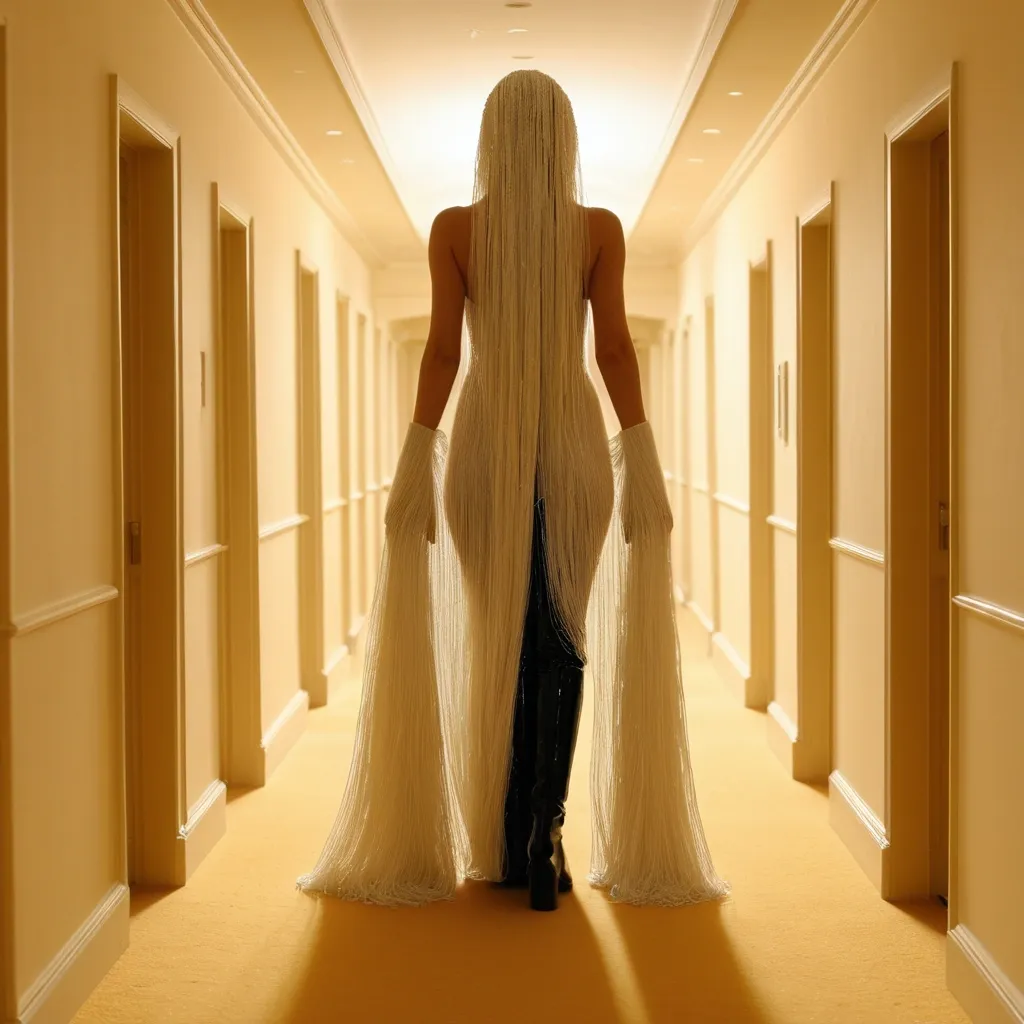

A figure photographed from behind , walking away down a narrow hotel corridor. She wears an an extraordinary , flowing gown woven from thousands of shimmering , white micro-licorice strands , the fabric of which seamlessly melts and connects into the desert ground around her; below it , glossy black knee-high boots , and a small ivory leather bag held in one hand at her side. Her head is cropped by the top edge of the frame. The corridor walls are cream panelled joinery with raised mouldings and a row of doors receding into the distance; the floor is flat mustard-gold carpet. Soft ambient interior light with no visible source , warm neutral palette so the orange coat is the only saturated thing in frame. Centred one-point perspective , cinematic , gentle grain. ratio 9:16. ,
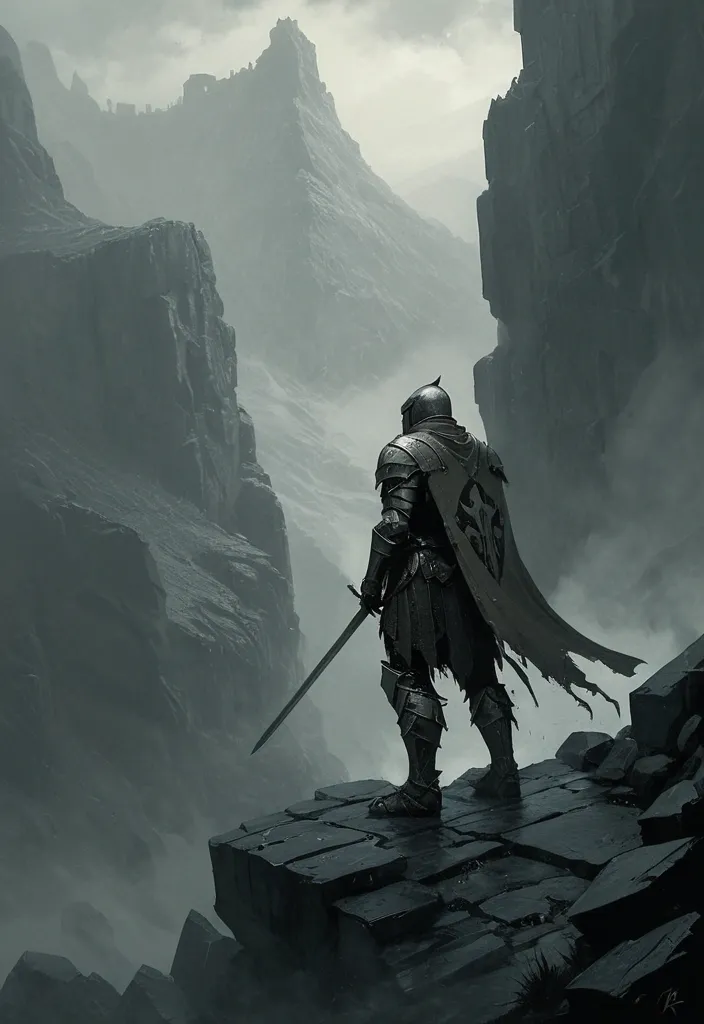
A lone knight , clad in tarnished armor , navigates a treacherous mountain pass shrouded in mist. Ancient ruins cling to the cliff faces , hinting at a forgotten civilization. The air is thick with an oppressive silence , broken only by the distant cry of a hawk. This artwork is rendered in a dark fantasy concept art style , with a muted color palette and a focus on atmospheric perspective , inspired by the works of Frank Frazetta and Brom. ,
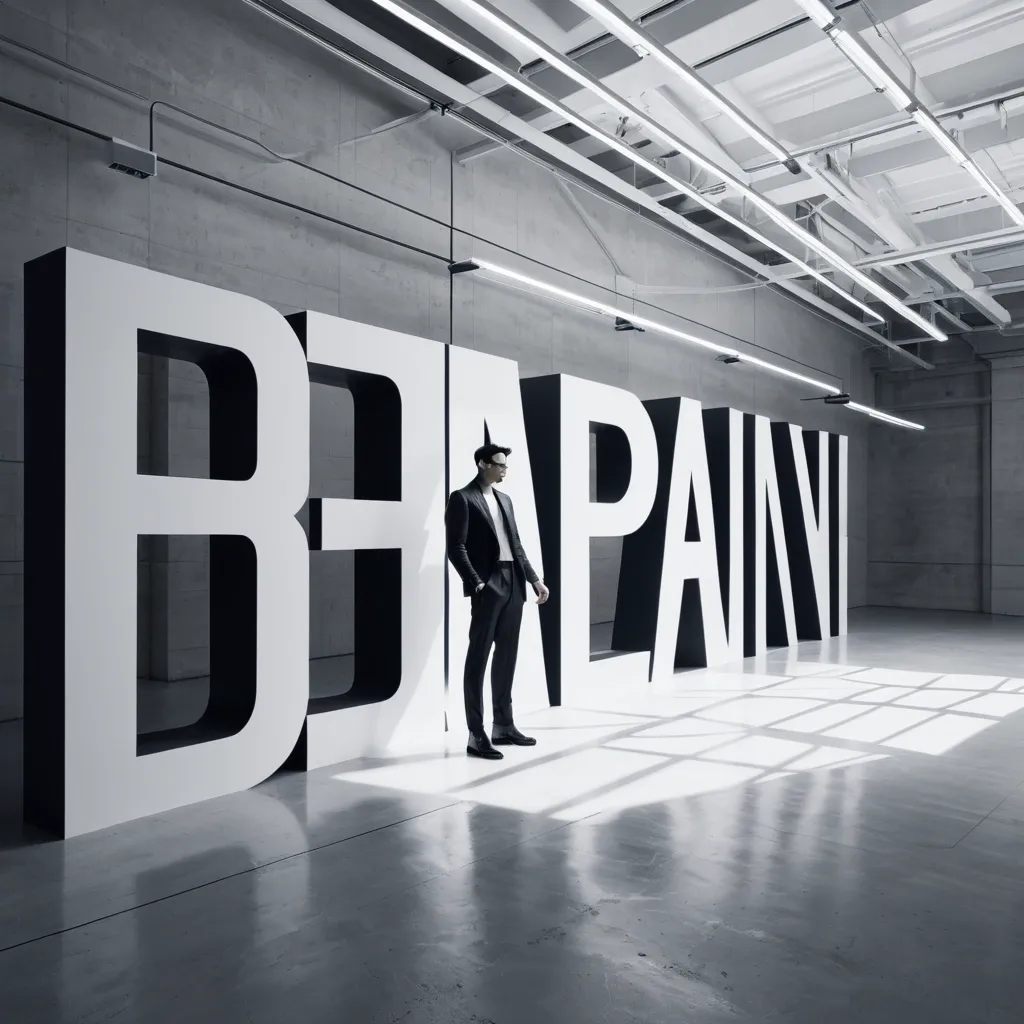
MAIN WORD: RAJU SUBJECT: adult East Asian man POSE: twisting SPATIAL METHOD: layered perspective BACKGROUND: concrete gray ACCENT COLOR: magenta ACCENT LABEL: TURN ASPECT RATIO: 9:16 Create a high-end fashion editorial poster where the subject stands inside a space built from typography. Use one adult fashion subject with realistic skin and hair , a clean elongated silhouette , monochrome tailored clothing , dimensional studio lighting , and a restrained but sculptural pose. Build the composition with oversized ultra-condensed sans-serif typography across multiple spatial planes. Combine solid letters , thin outline letters , cropped forms , and strong perspective distortion. Typography should appear on different surfaces or in different directions , creating real depth around the subject. Use [SPATIAL METHOD] as the main idea: • Folded surfaces: typography bends across walls , corners , or floor planes. • Layered perspective: multiple type planes at different depths. • Type and shadow: large letters and the subject both cast strong shadows. • Rotating type planes: large letter panels turn at different angles around the subject. Use a clear directional studio light so the subject has volume and the space includes readable shadows. Let the shadows interact with the typography and the floor to enhance depth. Keep the background minimal and architectural. Add only a few pieces of meaningful microcopy and one small high-saturation orange label containing "Mastram". Maintain a strong hierarchy: one main word , one subject , one secondary outline-type layer , one small color label , and a clear sense of spatial perspective. The final image should feel like bold editorial art direction: graphic , photographic , spatial , and stop-scroll worthy. ,
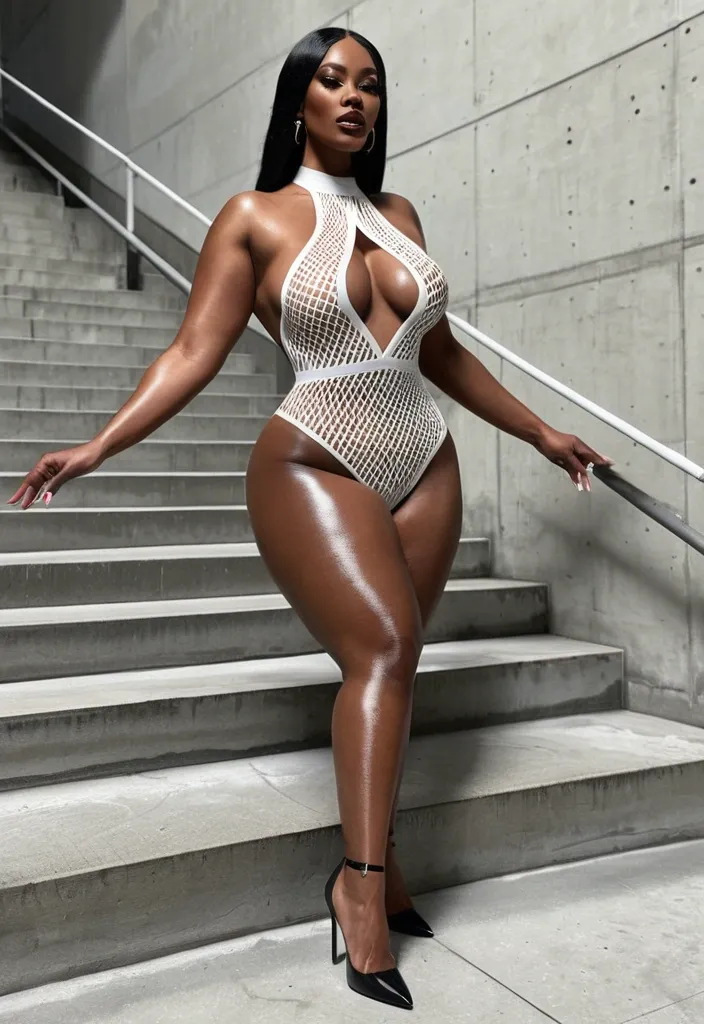
Create a big busty thick bbw full-body 9:20 realistic fashion editorial featuring an adult young East African woman with a refined K-pop-inspired look , expressive eyes , a voluptous silhouette , and thick big long balanced legs.Use the uploaded image as a pose reference only. The model stands directly on real staircase steps , not on a concrete block , ledge , pedestal , or parapet.One leg supports her weight naturally while the other bends backward , bringing the heel toward the body. One hand reaches back to lightly hold or adjust the heel , shoe opening , or ankle. This movement creates a natural twist through the waist and shoulders as she turns her head back toward the camera.Keep strong eye contact with an expressive mood — playful , cool , confident , sensual , or slightly provocative — rather than a blank model expression. Style the model with a fashion-forward mini dress or bodysuit featuring one clear design element , such as a deep-V neckline , sculpted bandeau , asymmetric shoulder , halter construction , or clean geometric cutout. Keep the outfit sharp and minimal rather than adding too many straps or decorative details.Use refined fashion hosiery with a clear product identity. Accurately render its transparency , yarn texture , subtle woven pattern , panel , rib , or jacquard structure. Keep the design elegant and visually clean , using fine textures and restrained patterns rather than dense florals , heavy fishnet , or complicated graphics. Use one consistent hosiery color with no gradient.The hosiery must naturally follow the thighs , knees , calves , ankles , and feet with believable stretch and tension.Place her in a real , ordinary , slightly worn concrete stairwell inside an apartment , office building , parking structure , or older urban building. Show rough gray concrete , worn stair edges , faint stains , scratches , patch repairs , pores , construction joints , and ordinary metal railings with visible use.The stairwell should feel raw , functional , and genuinely used — not like a pristine brutalist showroom or studio-built concrete set.Keep the skin genuinely photographic: visible pores , subtle tonal variation , tiny imperfections , slight natural redness , realistic knee and ankle tones , and natural lip texture. Hair should show individual strands , loose flyaways , and slight irregularity. Avoid poreless AI-beauty skin , waxy highlights , plastic smoothness , or excessive retouching.Use a slightly low 50–70mm fashion-photography perspective to emphasize the full-body silhouette and elongated leg lines without extreme distortion. Use natural stairwell window light with soft directional fill , realistic contact shadows , and uneven brightness across the concrete surfaces. ,
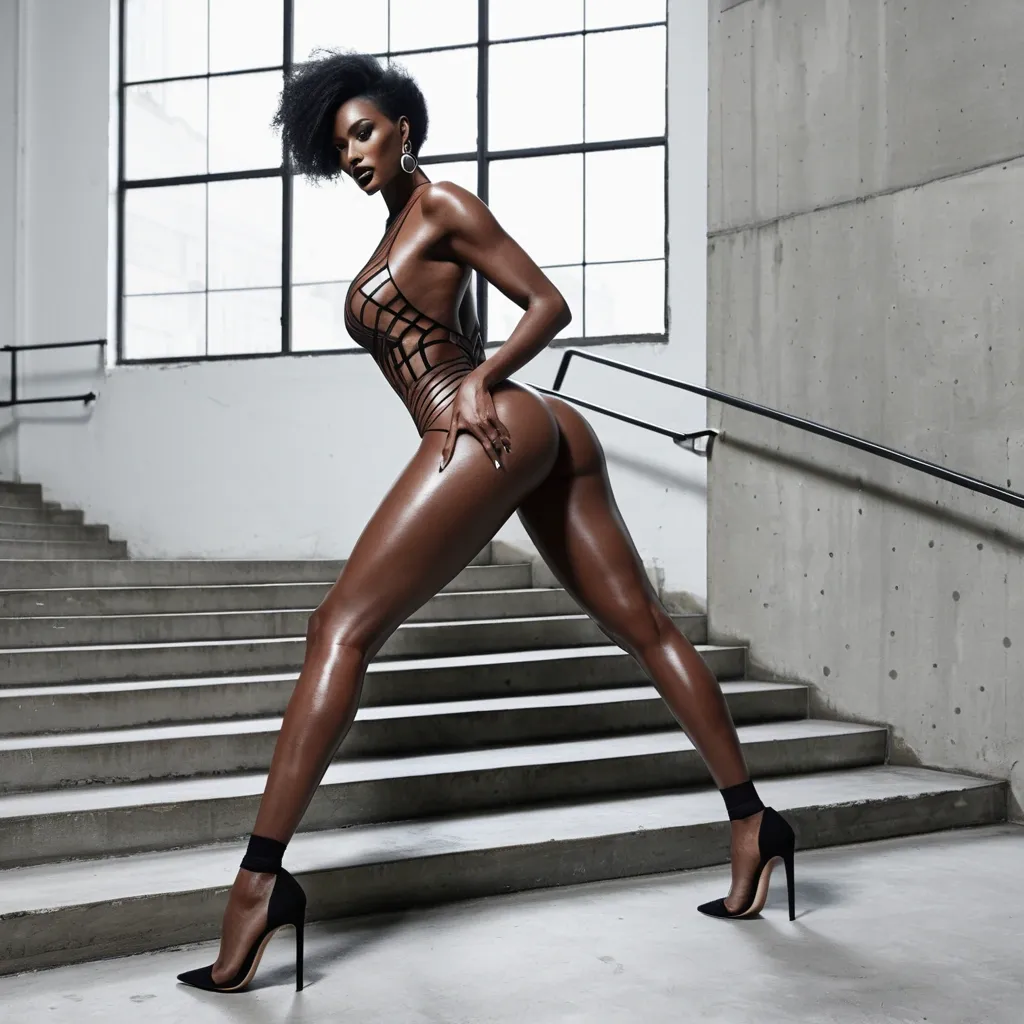
Create a big busty full-body 9:20 realistic fashion editorial featuring an adult young East African woman with a refined K-pop-inspired look , expressive eyes , a voluptous silhouette , and thick big long balanced legs.Use the uploaded image as a pose reference only. The model stands directly on real staircase steps , not on a concrete block , ledge , pedestal , or parapet.One leg supports her weight naturally while the other bends backward , bringing the heel toward the body. One hand reaches back to lightly hold or adjust the heel , shoe opening , or ankle. This movement creates a natural twist through the waist and shoulders as she turns her head back toward the camera.Keep strong eye contact with an expressive mood — playful , cool , confident , sensual , or slightly provocative — rather than a blank model expression. Style the model with a fashion-forward mini dress or bodysuit featuring one clear design element , such as a deep-V neckline , sculpted bandeau , asymmetric shoulder , halter construction , or clean geometric cutout. Keep the outfit sharp and minimal rather than adding too many straps or decorative details.Use refined fashion hosiery with a clear product identity. Accurately render its transparency , yarn texture , subtle woven pattern , panel , rib , or jacquard structure. Keep the design elegant and visually clean , using fine textures and restrained patterns rather than dense florals , heavy fishnet , or complicated graphics. Use one consistent hosiery color with no gradient.The hosiery must naturally follow the thighs , knees , calves , ankles , and feet with believable stretch and tension.Place her in a real , ordinary , slightly worn concrete stairwell inside an apartment , office building , parking structure , or older urban building. Show rough gray concrete , worn stair edges , faint stains , scratches , patch repairs , pores , construction joints , and ordinary metal railings with visible use.The stairwell should feel raw , functional , and genuinely used — not like a pristine brutalist showroom or studio-built concrete set.Keep the skin genuinely photographic: visible pores , subtle tonal variation , tiny imperfections , slight natural redness , realistic knee and ankle tones , and natural lip texture. Hair should show individual strands , loose flyaways , and slight irregularity. Avoid poreless AI-beauty skin , waxy highlights , plastic smoothness , or excessive retouching.Use a slightly low 50–70mm fashion-photography perspective to emphasize the full-body silhouette and elongated leg lines without extreme distortion. Use natural stairwell window light with soft directional fill , realistic contact shadows , and uneven brightness across the concrete surfaces. ,
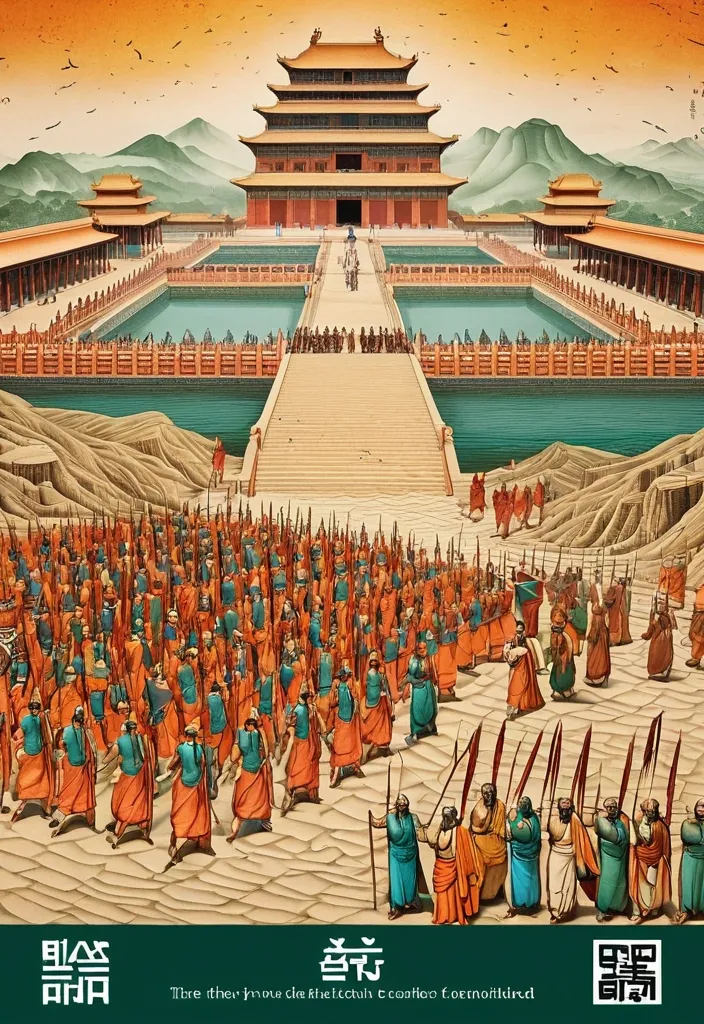
Theme: Ancient Water Conservancy Main palette: Sand path , sand , orange Structural method: another paper construction Micro scene: a tiny Walking march , performance Event details: 02 October , 05:30 am , Start Aspect ratio: 16:9 Design a historical and cultural poster with a modern Eastern editorial aesthetic , using "paper fibers + large color fields + micro-scenes" as the core visual language. Do not interpret traditional culture as stacking ancient architecture , calligraphy , auspicious clouds , or artifacts. Instead , first distill the Cultural Logic , then let large areas of handmade paper color fields directly carry structures , spaces , time , flow , order , or process relationships , so that viewers first see a strong and clear large form from afar , and only gradually discover the cultural narrative hidden within upon closer inspection. Use the dark green , sand style to establish 2–5 main paper color blocks of distinctly different sizes , maintaining low saturation but complete color intensity. All color blocks should have the authentic , rich texture of handmade paper , pulp , watercolor , or mineral pigments , with visible natural long and short fibers , pigment deposition , subtle impressions , large-scale natural color variations , and irregular torn paper edges. The overall effect should be matte , clean , and intact—avoid dirtiness , yellow spots , random speckles , cheap retro effects , or digital gradients. Based on the theme , let the color fields express the logic of system operations through folding , branching , interweaving , interlocking , offsetting , supporting , segmenting , enclosing , or negative space relationships , rather than simply serving as decorative backgrounds. Embed the Dadi march within the large color field structure , keeping figures and props at a very small scale , totaling about 3%–6% of the image area. Each scene must depict a clear action , with causal or temporal relationships between them , such as "entering → executing → recording → completing , " allowing the miniature figures to truly drive the narrative rather than just standing in poses. Figures' clothing in indian Freedom fighter style and artifacts should align with the theme's era and identity but remain restrained—avoid cinematic historical drama excess; scenes should only retain key props that illustrate systemic relationships , without cluttering with decorations or irrelevant cultural symbols. Typography should employ the editorial language of modern Eastern cultural institutions , museums , or archival exhibitions. The main title Dandi March should use refined Song typeface , publication-inspired Gujarati fonts , at a medium-small size that does not overpower the large color fields; supporting English text , dates , locations , and explanatory information should use even smaller sizes to create clear hierarchies. Subtle cinnabar seals , paper tags , archival labels , or node text may be added , but they must genuinely relate to the thematic logic—do not add them randomly just for a "Indian Freedom fighter style" feel. The overall reading order should be: large color field structures and color relationships → systemic or spatial logic → miniature figures' continuous narrative → main title and exhibition information. The final image should achieve a strong large form and visual impact from afar , revealing paper fibers , figure actions , and historical details up close , balancing design sensibility , narrative depth , and cultural completeness. Avoid book cover vibes , traditional Chinese illustration styles , screens full of ancient architecture , oversized titles , PPT-style rigid layouts , modern infographic arrows , meaningless English placeholders , element piling , commercial ad vibes , 3D CGI , glass textures , neon colors , logos , watermarks , numbering , and starburst decorations. ,
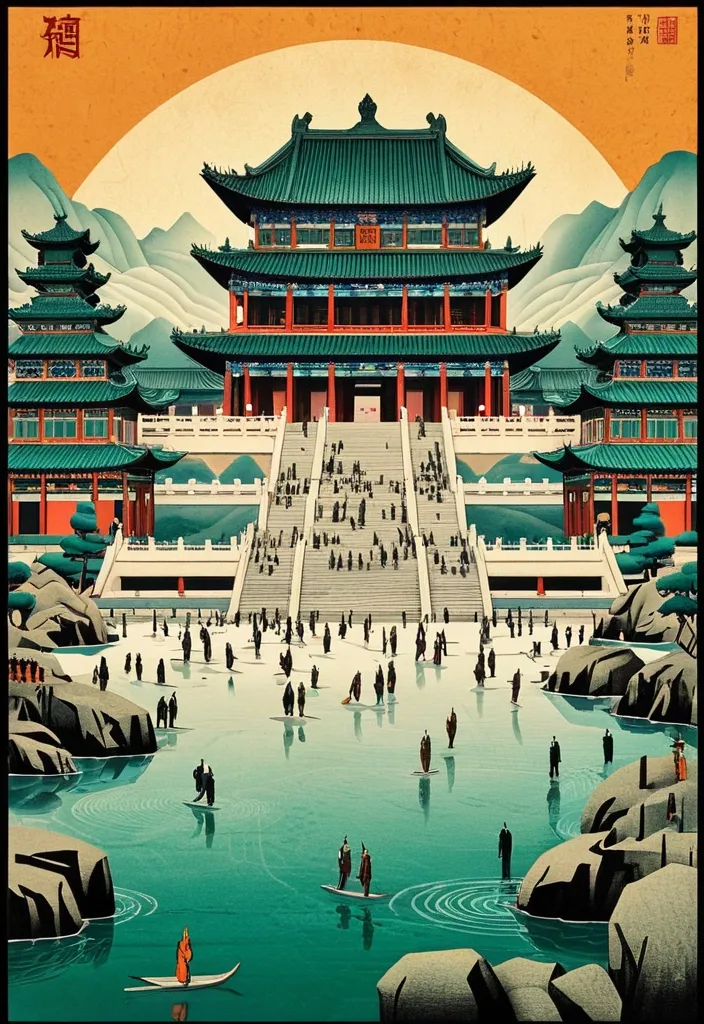
Theme: Ancient Water Conservancy Main palette: blue , dark green , orange Structural method: another paper construction Micro scene: a tiny Walking march , performance Event details: 02 October , venue , Start Aspect ratio: 9:16 Design a historical and cultural poster with a modern Eastern editorial aesthetic , using "paper fibers + large color fields + micro-scenes" as the core visual language. Do not interpret traditional culture as stacking ancient architecture , calligraphy , auspicious clouds , or artifacts. Instead , first distill the Cultural Logic , then let large areas of handmade paper color fields directly carry structures , spaces , time , flow , order , or process relationships , so that viewers first see a strong and clear large form from afar , and only gradually discover the cultural narrative hidden within upon closer inspection. Use the dark green , sand style to establish 2–5 main paper color blocks of distinctly different sizes , maintaining low saturation but complete color intensity. All color blocks should have the authentic , rich texture of handmade paper , pulp , watercolor , or mineral pigments , with visible natural long and short fibers , pigment deposition , subtle impressions , large-scale natural color variations , and irregular torn paper edges. The overall effect should be matte , clean , and intact—avoid dirtiness , yellow spots , random speckles , cheap retro effects , or digital gradients. Based on the theme , let the color fields express the logic of system operations through folding , branching , interweaving , interlocking , offsetting , supporting , segmenting , enclosing , or negative space relationships , rather than simply serving as decorative backgrounds. Embed the Dadi march within the large color field structure , keeping figures and props at a very small scale , totaling about 3%–6% of the image area. Each scene must depict a clear action , with causal or temporal relationships between them , such as "entering → executing → recording → completing , " allowing the miniature figures to truly drive the narrative rather than just standing in poses. Figures' clothing and artifacts should align with the theme's era and identity but remain restrained—avoid cinematic historical drama excess; scenes should only retain key props that illustrate systemic relationships , without cluttering with decorations or irrelevant cultural symbols. Typography should employ the editorial language of modern Eastern cultural institutions , museums , or archival exhibitions. The main title [Main Title] should use refined Song typeface , Ming-style , or publication-inspired Chinese fonts , at a medium-small size that does not overpower the large color fields; supporting English text , dates , locations , and explanatory information should use even smaller sizes to create clear hierarchies. Subtle cinnabar seals , paper tags , archival labels , or node text may be added , but they must genuinely relate to the thematic logic—do not add them randomly just for a "Chinese style" feel. The overall reading order should be: large color field structures and color relationships → systemic or spatial logic → miniature figures' continuous narrative → main title and exhibition information. The final image should achieve a strong large form and visual impact from afar , revealing paper fibers , figure actions , and historical details up close , balancing design sensibility , narrative depth , and cultural completeness. Avoid book cover vibes , traditional Chinese illustration styles , screens full of ancient architecture , oversized titles , PPT-style rigid layouts , modern infographic arrows , meaningless English placeholders , element piling , commercial ad vibes , 3D CGI , glass textures , neon colors , logos , watermarks , numbering , and starburst decorations. ,
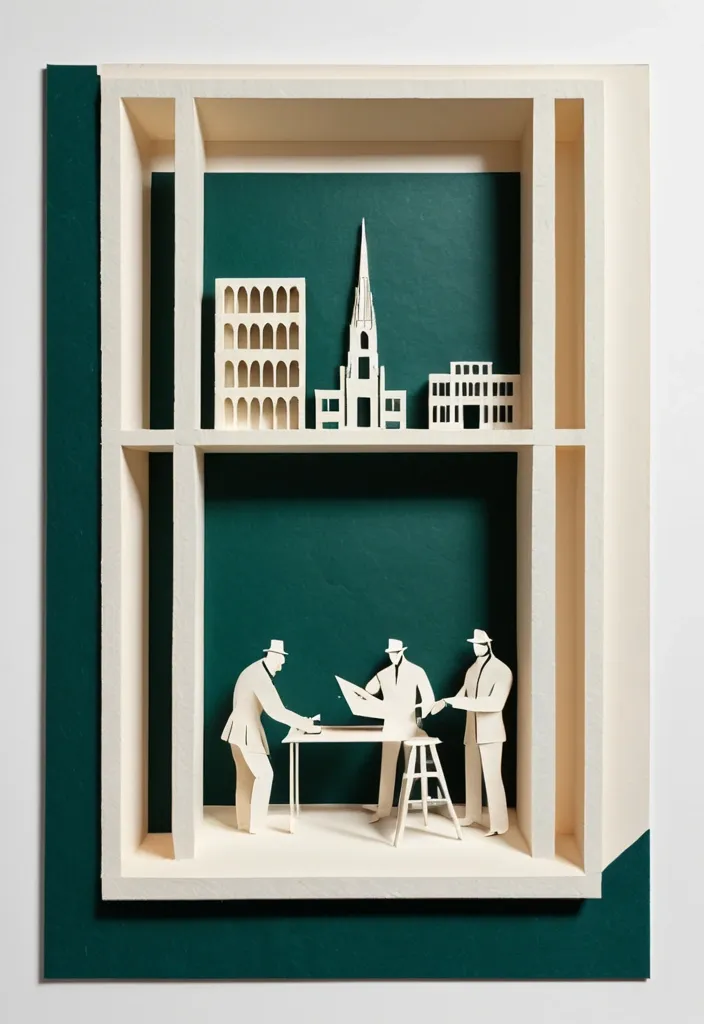
Theme: Freedom Fighters Memorial Aspect ratio: 9:16 Main palette: blue , dark green , orange Structural method: layered cutouts Micro scene: a tiny workshop , performance Event details: 02 October , 08:30 am , Dadi March Create a refined vertical cultural poster using tactile handmade paper , large color fields , structural composition , and a tiny narrative scene. Build the main visual with a clear paper based construction method. The composition may use layered apertures , framing , overlapping printed blocks , folded planes , or other physical paper relationships. Let the structure itself create depth , rhythm , and visual tension rather than relying on decorative graphics. All large paper areas should have realistic handmade texture , including visible fibers , pulp variation , pigment absorption , subtle pressure marks , irregular edges , and slight material imperfections. Keep the surfaces matte , clean , and sophisticated. Use strong but controlled color relationships. Large color fields should remain visually clear from a distance , while smaller overlaps , cut edges , shadows , folds , and paper thickness become visible only when viewed closely. Add one small micro scene related to the theme. Include two or three adult figures naturally performing the activity , such as cutting paper , operating a press , performing shadow theatre , folding structures , or arranging materials. Keep the entire scene around 3% to 5% of the poster so it remains a discovered detail rather than the main subject. Use generous warm ivory or neutral negative space to balance the large structural forms. Typography should be restrained and secondary. Use a refined editorial serif for the main title and small uppercase sans serif for supporting information. Keep the title relatively small and place it in a quiet area of the composition. The visual reading order should be: large paper structure first , color and material interaction second , micro scene third , title and event information last. The final result should feel contemporary , tactile , editorial , architectural , and handmade. From a distance , the poster should read as a strong abstract composition. Up close , it should reveal paper fibers , cut edges , folds , overlaps , print texture , tiny people , tools , and process. ,
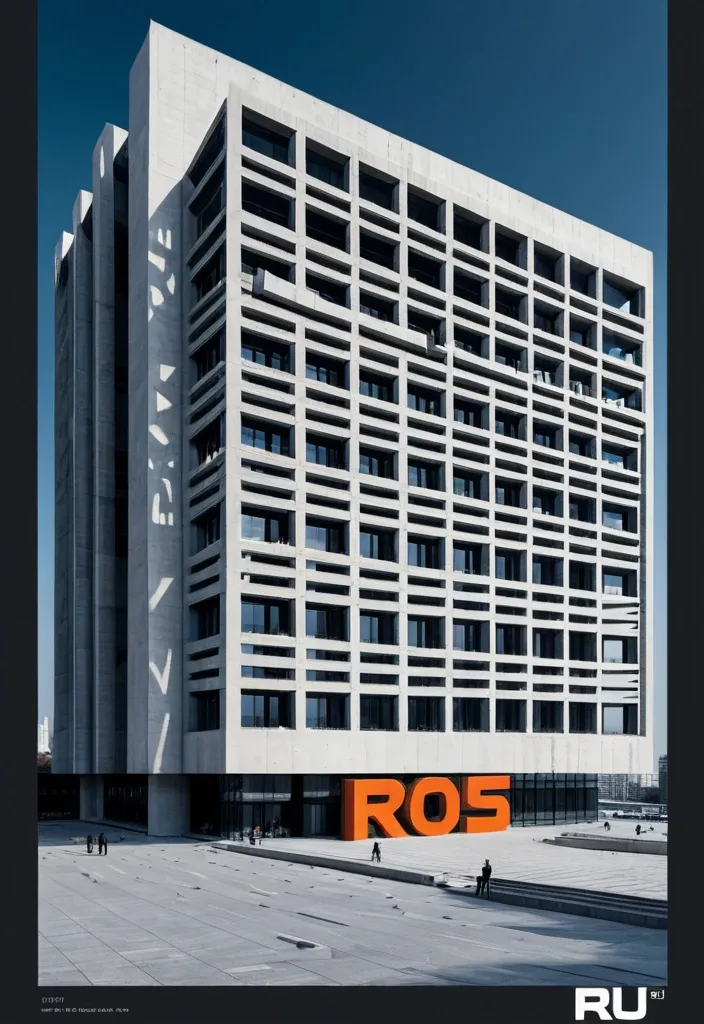
Create a vertical 9:16 poster series in English with a high-end editorial visual style , combining brutalist architecture , monumental perspective typography , realistic mature adult figures , and strong three-dimensional spatial design. The series should feel bold , clean , architectural , and visually sophisticated , with a deep cobalt-blue sky , warm raw-concrete gray , warm ivory typography , charcoal styling for the人物 , and safety orange as the only strong accent color. Use dramatic top-angle perspectives so the architecture , typography , human figure , and spatial structures all belong to the same perspective system. Keep the buildings monumental , simple , and geometric. Typography should be oversized , tall , condensed , and integrated into the composition rather than floating as flat overlay text. Human figures should look realistic , naturally posed , and scaled against the architecture. Add clean editorial microcopy , secondary headlines , and small annotations with strong hierarchy and controlled information density. Create a monumental glass wall with the word “RAJU” carved completely through the structure as real architectural openings. The inner surfaces of the carved letters should be safety orange , revealing strong physical depth. A realistic young man stands or steps naturally within the R-shaped opening. The image should feel architectural , clear , and conceptually striking. ,

Create a full-body 9:16 realistic fashion editorial featuring an adult young East Asian woman with a refined K-pop-inspired look , expressive eyes , a slim silhouette , and long balanced legs. Use the uploaded image as a pose reference only. The model stands directly on real staircase steps , not on a concrete block , ledge , pedestal , or parapet. One leg supports her weight naturally while the other bends backward , bringing the heel toward the body. One hand reaches back to lightly hold or adjust the heel , shoe opening , or ankle. This movement creates a natural twist through the waist and shoulders as she turns her head back toward the camera. Keep strong eye contact with an expressive mood — playful , cool , confident , sensual , or slightly provocative — rather than a blank model expression. Style the model with a fashion-forward mini dress or bodysuit featuring one clear design element , such as a deep-V neckline , sculpted bandeau , asymmetric shoulder , halter construction , or clean geometric cutout. Keep the outfit sharp and minimal rather than adding too many straps or decorative details. Use refined fashion hosiery with a clear product identity. Accurately render its transparency , yarn texture , subtle woven pattern , panel , rib , or jacquard structure. Keep the design elegant and visually clean , using fine textures and restrained patterns rather than dense florals , heavy fishnet , or complicated graphics. Use one consistent hosiery color with no gradient. The hosiery must naturally follow the thighs , knees , calves , ankles , and feet with believable stretch and tension. Place her in a real , ordinary , slightly worn concrete stairwell inside an apartment , office building , parking structure , or older urban building. Show rough gray concrete , worn stair edges , faint stains , scratches , patch repairs , pores , construction joints , and ordinary metal railings with visible use. The stairwell should feel raw , functional , and genuinely used — not like a pristine brutalist showroom or studio-built concrete set. Keep the skin genuinely photographic: visible pores , subtle tonal variation , tiny imperfections , slight natural redness , realistic knee and ankle tones , and natural lip texture. Hair should show individual strands , loose flyaways , and slight irregularity. Avoid poreless AI-beauty skin , waxy highlights , plastic smoothness , or excessive retouching. Use a slightly low 50–70mm fashion-photography perspective to emphasize the full-body silhouette and elongated leg lines without extreme distortion. Use natural stairwell window light with soft directional fill , realistic contact shadows , and uneven brightness across the concrete surfaces. ,

OBJECT SHAPE: flying Eagle MEDIUM: points SPATIAL MECHANISM: depth SUBJECT: small human figure MAIN COLOR: blue FORMAT: 9:16 vertical poster Create a contemporary volumetric perspective shape poster where the main object exists through elements distributed across real three-dimensional space rather than on a flat surface. Build the shape from the chosen medium: suspended threads , physical points , beams of light , layered line grids , or another spatial system. Individual elements should appear fragmented or abstract from other viewpoints , but align into one bold , visual shape from the intended camera position. Keep clear foreground , midground and background depth. The shape structure should dominate roughly 35–55% of the composition while still revealing how the spatial structure creates it. For points , use suspended objects to form volumetric dots shapes. If a person is included , keep them small and use them mainly as a scale reference , with realistic occlusion between the subject and the spatial elements. Use one strong accent color with a restrained architectural palette. Add only minimal editorial information such as project name , location , date and one short thematic line. Overall style: perspective shape structure , volumetric installation , spatial graphic design , contemporary exhibition art , clean hierarchy and strong visual impact. Avoid flat printed text , ordinary 3D shapes , weak depth , random distortion , neon sci-fi styling , excessive filler copy , cluttered backgrounds , watermarks and numbering. ,
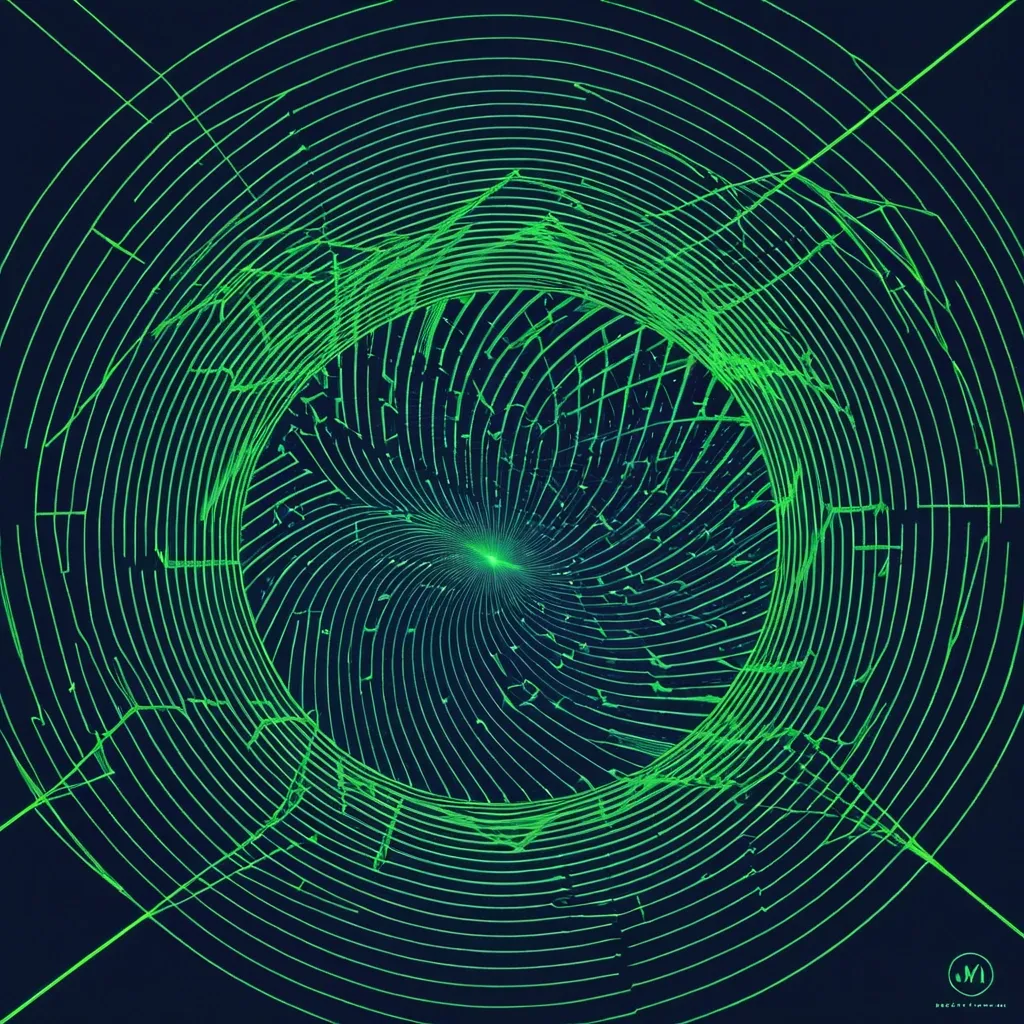
SUBJECT: Face × Finger print TITLE: VORTEX LINE FIELD: Diagonal BACKGROUND: Dark blue LINES: Fluorescent green TEXT: Mastram masti me FORMAT: 3:4 Create a refined experimental poster where face × Finger print emerges from the deformation of a precise geometric line field. Use one coherent spiral system across the entire image. Keep the geometry clean and regular away from the subject , then let the lines smoothly compress , expand , bend , and flow around its 3D volume. Do not outline the subject separately. Let anatomy and form appear mainly through deformation and negative space. For soft forms , use long fluid curves. For muscular or structural forms , use stronger controlled compression and directional tension without drawing individual muscles. Keep the subject at roughly 70–80% of the composition and add only 2–3 small typography blocks in quieter negative spaces. Prioritize line quality above everything else: extremely fine , sharp , continuous , evenly spaced , smooth , and geometrically coherent. Style: Op Art , generative graphic design , modern sculpture , experimental editorial poster , refined minimalism. Avoid broken or intersecting lines , warped circles , tangled spirals , messy radial centers , jagged curves , excessive realism , wireframe anatomy , sci-fi UI , logos , numbering , starbursts , and sparkles. ,
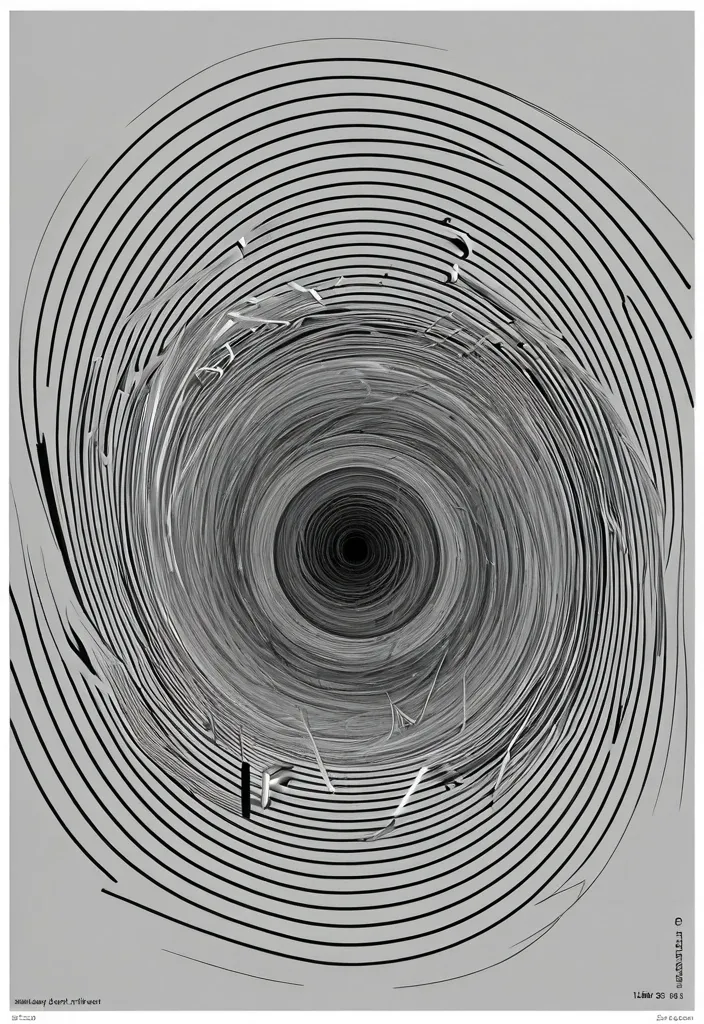
SUBJECT: face × concentric rings TITLE: Vortex LINE FIELD: spiral BACKGROUND: black LINES: light gray TEXT: Mastram masti me! FORMAT: 2:3 Create a refined experimental poster where face × concentric rings tension emerges from the deformation of a precise geometric line field. Use one coherent spiral system across the entire image. Keep the geometry clean and regular away from the subject , then let the lines smoothly compress , expand , bend , and flow around its 3D volume. Do not outline the subject separately. Let anatomy and form appear mainly through deformation and negative space. For soft forms , use long fluid curves. For muscular or structural forms , use stronger controlled compression and directional tension without drawing individual muscles. Keep the subject at roughly 70–80% of the composition and add only 2–3 small typography blocks in quieter negative spaces. Prioritize line quality above everything else: extremely fine , sharp , continuous , evenly spaced , smooth , and geometrically coherent. Style: Op Art , generative graphic design , modern sculpture , experimental editorial poster , refined minimalism. Avoid broken or intersecting lines , warped circles , tangled spirals , messy radial centers , jagged curves , excessive realism , wireframe anatomy , sci-fi UI , logos , numbering , starbursts , and sparkles. ,
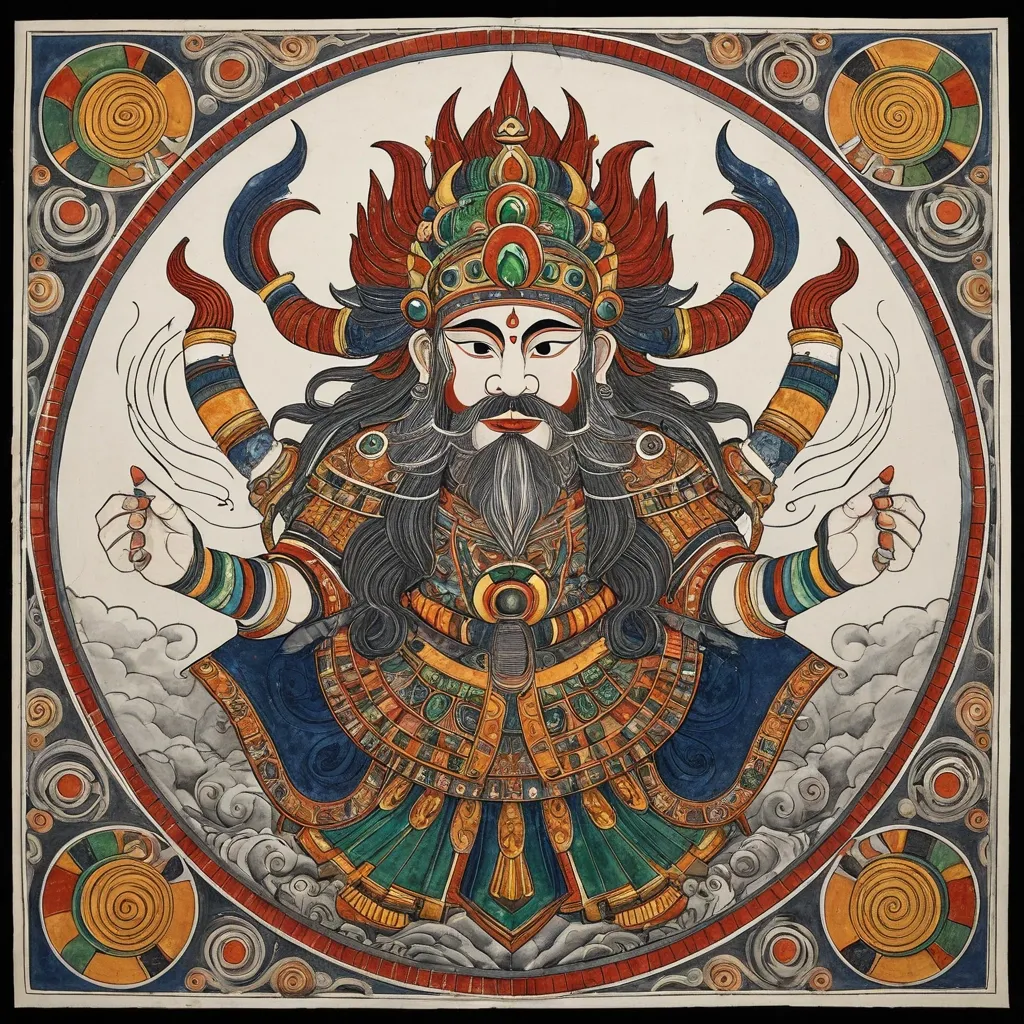
Generate an illustration of an Eastern deity in the style of Madhubani art sacred art , centering on the Zhong Kui and incorporating the Fire-Tipped Spear and Divine Beast to create a cohesive composition. Elements such as artifacts , wings , ghosts , ribbons , clouds , or divine manifestations must not serve merely as decoration; instead , they must collectively form clear structural patterns—such as diagonals , circles , S-curves , radial lines , or frontal subjugation poses—to imbue the image with a distinct sense of dynamic momentum (*shi*). The overall style should blend the aesthetics of traditional deity paintings , *Gongbi* heavy-color painting , *Baimiao* (fine-line drawing) , and ancient illustrated scrolls. The figure should appear solemn , divine , and imposing , avoiding the look of modern idols or game CG characters. Attire should follow traditional systems of divine robes , armor , and headdresses , incorporating continuous patterns such as cloud , thunder , scale , beast-face , meander (Greek key) , and scrolling vine motifs. Prioritize highly continuous Madhubani art line work: render hair , beards , and the fur or feathers of divine beasts with smooth , long lines that follow natural flow; depict clouds , garment hems , and ribbons using unbroken S-curves and C-curves; ensure that patterns on armor , crowns , and clothing are structurally complete and continuously closed. Minimize fragmented textures; avoid random short strokes , dense broken lines , jagged hair edges , or noise-like etching patterns. The color palette employs uniform , rich , and continuous traditional heavy mineral pigments. Centered around a core tone , it incorporates azurite blue , malachite green , ink-blue , antique gold , copper gold , cinnabar , ochre red , and ivory white. While low in saturation , the colors maintain high pigment density and transition naturally and smoothly along the forms; the finish should be free of mottling , fading , stains , graininess , or artificial distressing. The background features clean , warm-toned ivory *xuan* paper with extensive negative space , accented only by minimal continuous-line cloud motifs , vertical inscriptions , and cinnabar seals. The composition balances high information density in the subject matter with low density in the background. The overall aesthetic conveys the refined , fluid , cohesive , and professional quality of traditional Madhubani art painting with heavy mineral pigments on paper. Avoid: broken or fragmented lines , micro-fragmented textures , frizzy hair details , shattered cloud patterns , mottled coloring , faded or distressed effects , modern neon , 3D CG , screen-filling special effects , cluttered backgrounds , and large , modern poster-style headlines. ,
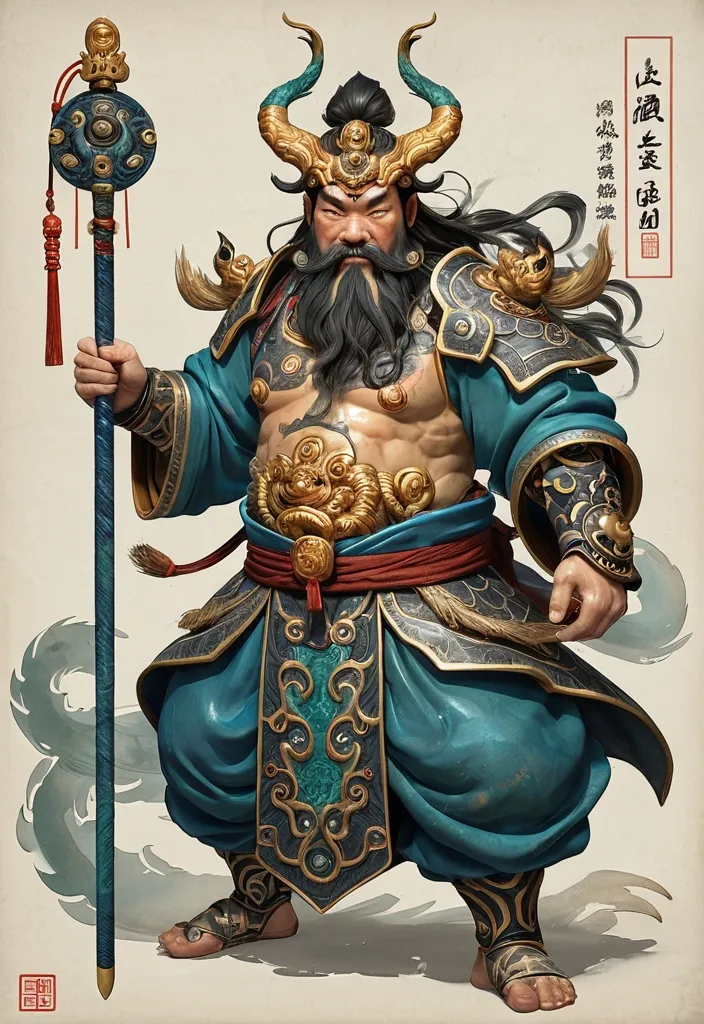
Deity Identity: Zhong Kui Core Artifact: Fire-Tipped Spear Divine Beast: Three-Eyed Manifestation Color Palette: Azurite & Antique Gold Composition Style: Spiraling Leap Overall Aura: Grotesque Aspect Ratio: [5:8] Generate an illustration of an Eastern deity in the style of *Gongbi* (meticulous brushwork) sacred art , centering on the Zhong Kui and incorporating the Fire-Tipped Spear and Divine Beast to create a cohesive composition. Elements such as artifacts , wings , ghosts , ribbons , clouds , or divine manifestations must not serve merely as decoration; instead , they must collectively form clear structural patterns—such as diagonals , circles , S-curves , radial lines , or frontal subjugation poses—to imbue the image with a distinct sense of dynamic momentum (*shi*). The overall style should blend the aesthetics of traditional deity paintings , *Gongbi* heavy-color painting , *Baimiao* (fine-line drawing) , and ancient illustrated scrolls. The figure should appear solemn , divine , and imposing , avoiding the look of modern idols or game CG characters. Attire should follow traditional systems of divine robes , armor , and headdresses , incorporating continuous patterns such as cloud , thunder , scale , beast-face , meander (Greek key) , and scrolling vine motifs. Prioritize highly continuous *Gongbi* line work: render hair , beards , and the fur or feathers of divine beasts with smooth , long lines that follow natural flow; depict clouds , garment hems , and ribbons using unbroken S-curves and C-curves; ensure that patterns on armor , crowns , and clothing are structurally complete and continuously closed. Minimize fragmented textures; avoid random short strokes , dense broken lines , jagged hair edges , or noise-like etching patterns. The color palette employs uniform , rich , and continuous traditional heavy mineral pigments. Centered around a core tone , it incorporates azurite blue , malachite green , ink-blue , antique gold , copper gold , cinnabar , ochre red , and ivory white. While low in saturation , the colors maintain high pigment density and transition naturally and smoothly along the forms; the finish should be free of mottling , fading , stains , graininess , or artificial distressing. The background features clean , warm-toned ivory *xuan* paper with extensive negative space , accented only by minimal continuous-line cloud motifs , vertical inscriptions , and cinnabar seals. The composition balances high information density in the subject matter with low density in the background. The overall aesthetic conveys the refined , fluid , cohesive , and professional quality of traditional *gongbi* (meticulous brushwork) painting with heavy mineral pigments on paper. Avoid: broken or fragmented lines , micro-fragmented textures , frizzy hair details , shattered cloud patterns , mottled coloring , faded or distressed effects , modern neon , 3D CG , screen-filling special effects , cluttered backgrounds , and large , modern poster-style headlines. ,
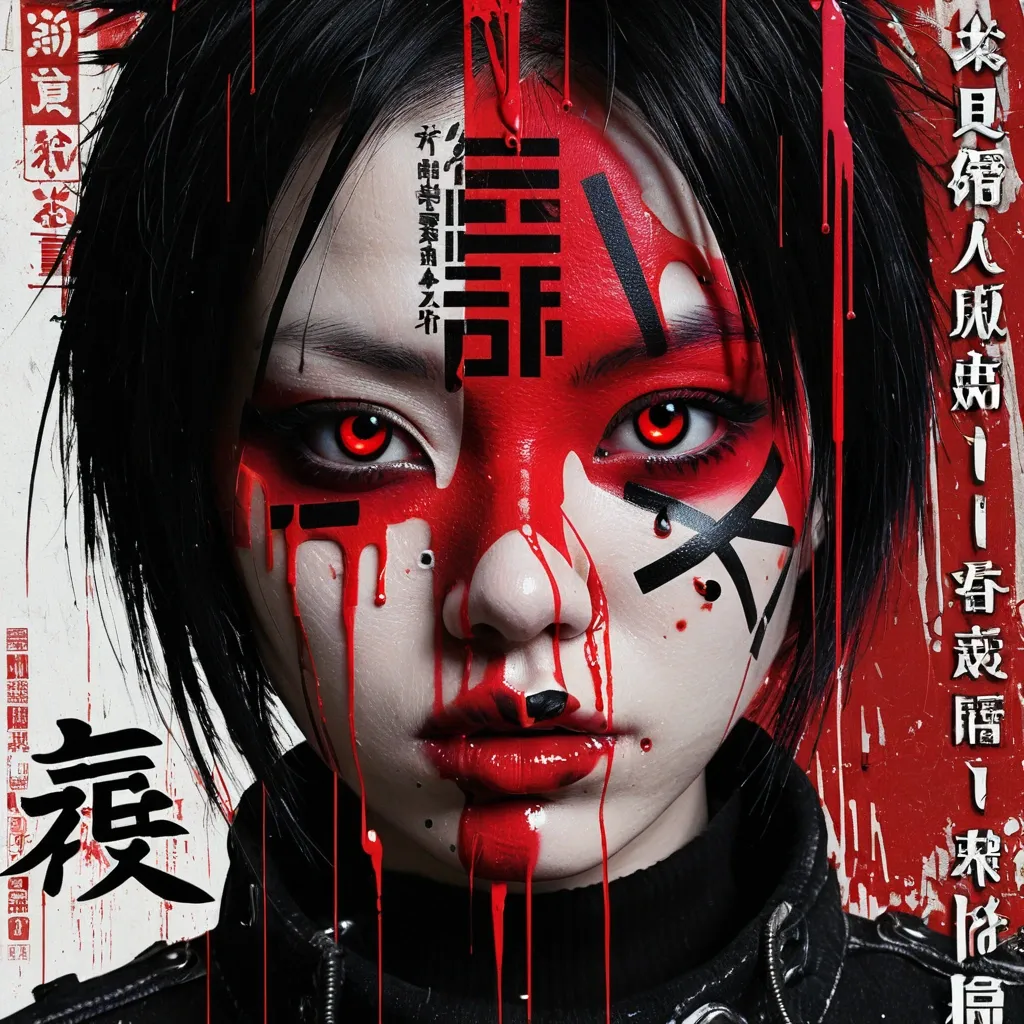
Create an image. A grunge-punk and cyber-goth style digital collage graphic art poster , with a color palette limited to deep crimson red , black , and cream white. The central image is an extreme , fragmented close-up of the attached model's face , featuring an intensely red right eye , heavy eyeliner , dripping black tears ending in a small cross , and a lip piercing. The face is cut off and obscured by multiple diagonal bands and blocks of solid , textured red , creating a glitch effect. The background is a dense collage of overlapping elements:Japanese text: Large kanji characters "支配" (Control) at the top left; red hang tag on the right with "毒人形少女" (Poison Doll) and "666".HER19845." on the left; "INNOCENCE DISSOLVED". "ONLY I REMAIN." bottom right.Graphics: A barcode , a sniper scope , a skull in a circle , stylized butterflies , and the numbers "H19845".The texture is rough , with photographic grain , scratches , and a halftone effect of worn printing. The face emerges from this visual chaos. The lighting is dramatic and high-contrast. The composition is dense , chaotic , and symmetrical in its asymmetry. The style should emulate that of a hand-screen-printed concert poster. ,
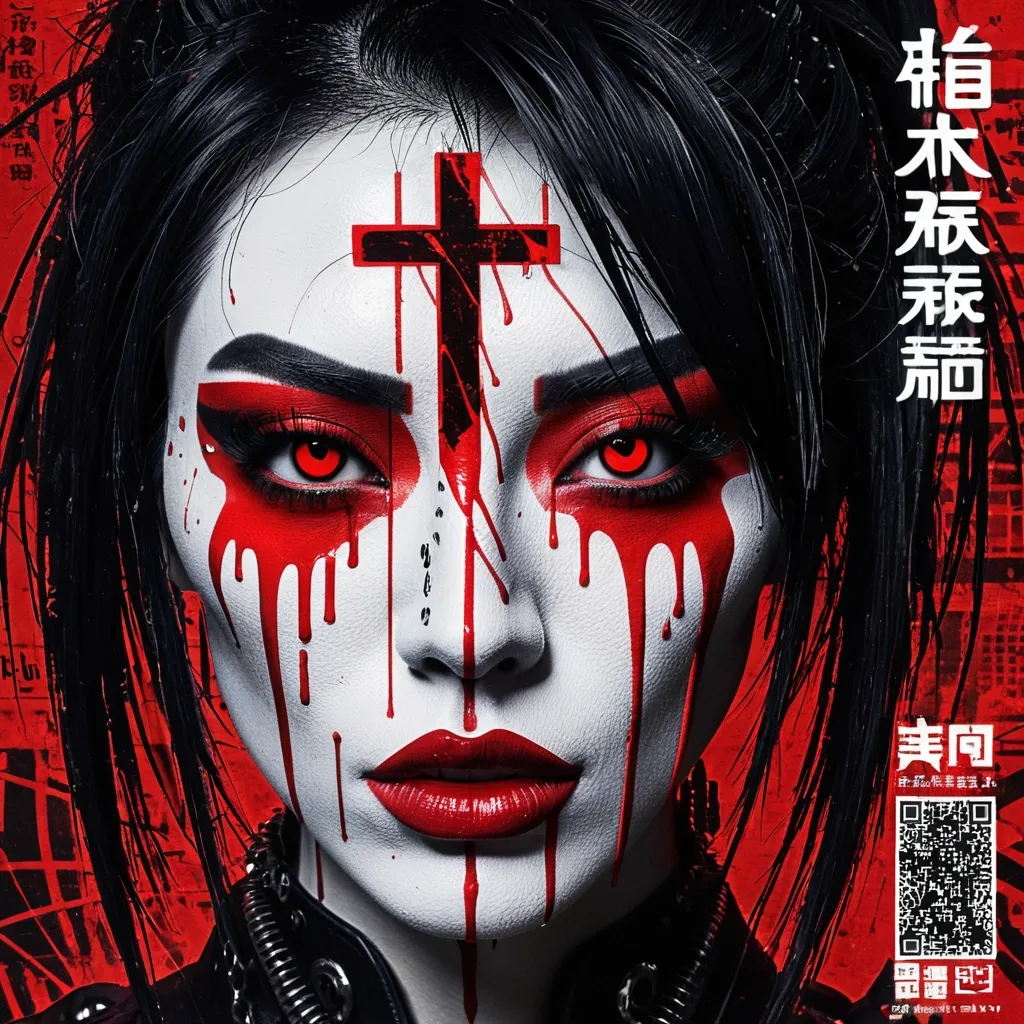
Create an image. A grunge-punk and cyber-goth style digital collage graphic art poster , with a color palette limited to deep crimson red , black , and cream white. The central image is an extreme , fragmented close-up of the attached model's face , featuring an intensely red right eye , heavy eyeliner , dripping black tears ending in a small cross , and a lip piercing. The face is cut off and obscured by multiple diagonal bands and blocks of solid , textured red , creating a glitch effect. The background is a dense collage of overlapping elements:Japanese text: Large kanji characters "支配" (Control) at the top left; red hang tag on the right with "毒人形少女" (Poison Doll) and "666".HER19845." on the left; "INNOCENCE DISSOLVED". "ONLY I REMAIN." bottom right.Graphics: A barcode , a sniper scope , a skull in a circle , stylized butterflies , and the numbers "H19845".The texture is rough , with photographic grain , scratches , and a halftone effect of worn printing. The face emerges from this visual chaos. The lighting is dramatic and high-contrast. The composition is dense , chaotic , and symmetrical in its asymmetry. The style should emulate that of a hand-screen-printed concert poster. ,
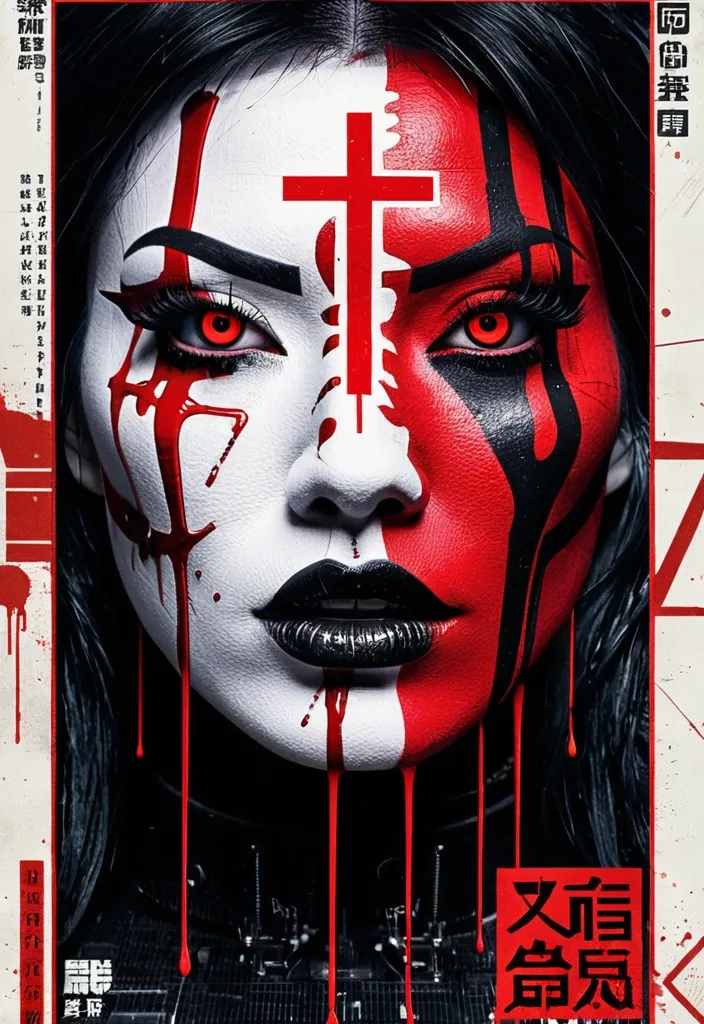
Create an image. A grunge-punk and cyber-goth style digital collage graphic art poster , with a color palette limited to deep crimson red , black , and cream white. The central image is an extreme , fragmented close-up of the attached model's face , featuring an intensely red right eye , heavy eyeliner , dripping black tears ending in a small cross , and a lip piercing. The face is cut off and obscured by multiple diagonal bands and blocks of solid , textured red , creating a glitch effect. The background is a dense collage of overlapping elements:Japanese text: Large kanji characters "支配" (Control) at the top left; red hang tag on the right with "毒人形少女" (Poison Doll) and "666".HER19845." on the left; "INNOCENCE DISSOLVED". "ONLY I REMAIN." bottom right.Graphics: A barcode , a sniper scope , a skull in a circle , stylized butterflies , and the numbers "H19845".The texture is rough , with photographic grain , scratches , and a halftone effect of worn printing. The face emerges from this visual chaos. The lighting is dramatic and high-contrast. The composition is dense , chaotic , and symmetrical in its asymmetry. The style should emulate that of a hand-screen-printed concert poster. ,
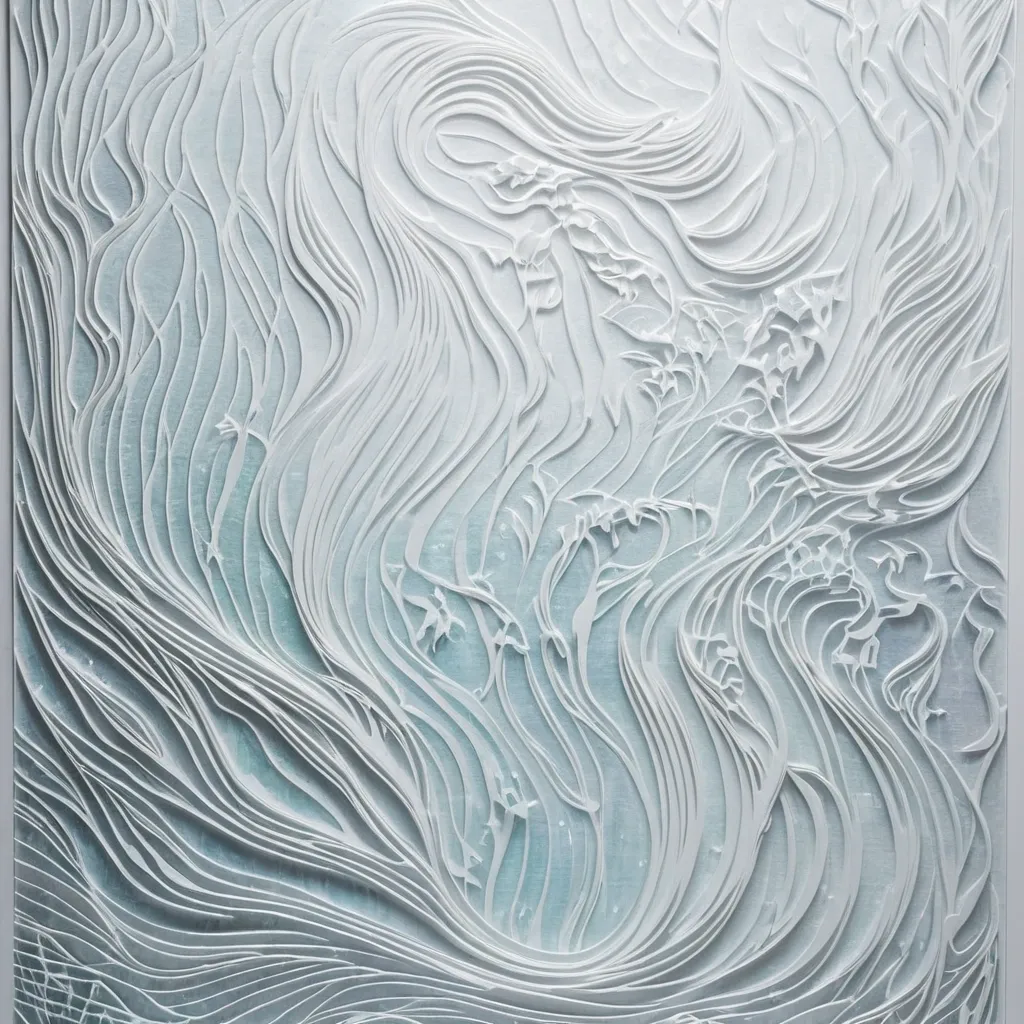
Generate a 9:16 poster featuring an Eastern poetic aesthetic , characterized by flowing light and generous negative space. Distill a two-character theme and a core emotion from the original poetic verse. Avoid replicating a complete traditional scene; instead , achieve a visual translation using a small , singular subject and a specific form of light movement (e.g. , fragmented , continuous , scattered , converging , flowing , veiled , or translucent). Use a background of premium , pure-white handmade art paper with 65%–75% negative space , while the subject occupies only 8%–20% of the composition. Incorporate meaningful white bas-relief elements—such as rain streaks , water ripples , mountain ridges , wind lines , old paths , or floral shadows—that appear minimalist from a distance but reveal themselves upon closer inspection. Subtly introduce iridescent accents—pearl white , ice blue , pale violet , celadon green , champagne gold , or amber gold—allowing light to emerge naturally from elements like water , porcelain , jade , paper , or spatial paths to create a shimmering , ethereal glow. Keep the use of color restrained; avoid neon effects or full-screen gradients. Human figures may appear minuscule or be omitted entirely , with "human presence" suggested only through objects such as a teacup , bamboo staff , empty chair , letter , or illuminated window. Feature the two-character theme as the main title , accompanied by a concise poetic line , location , date , and an English subtitle. ,
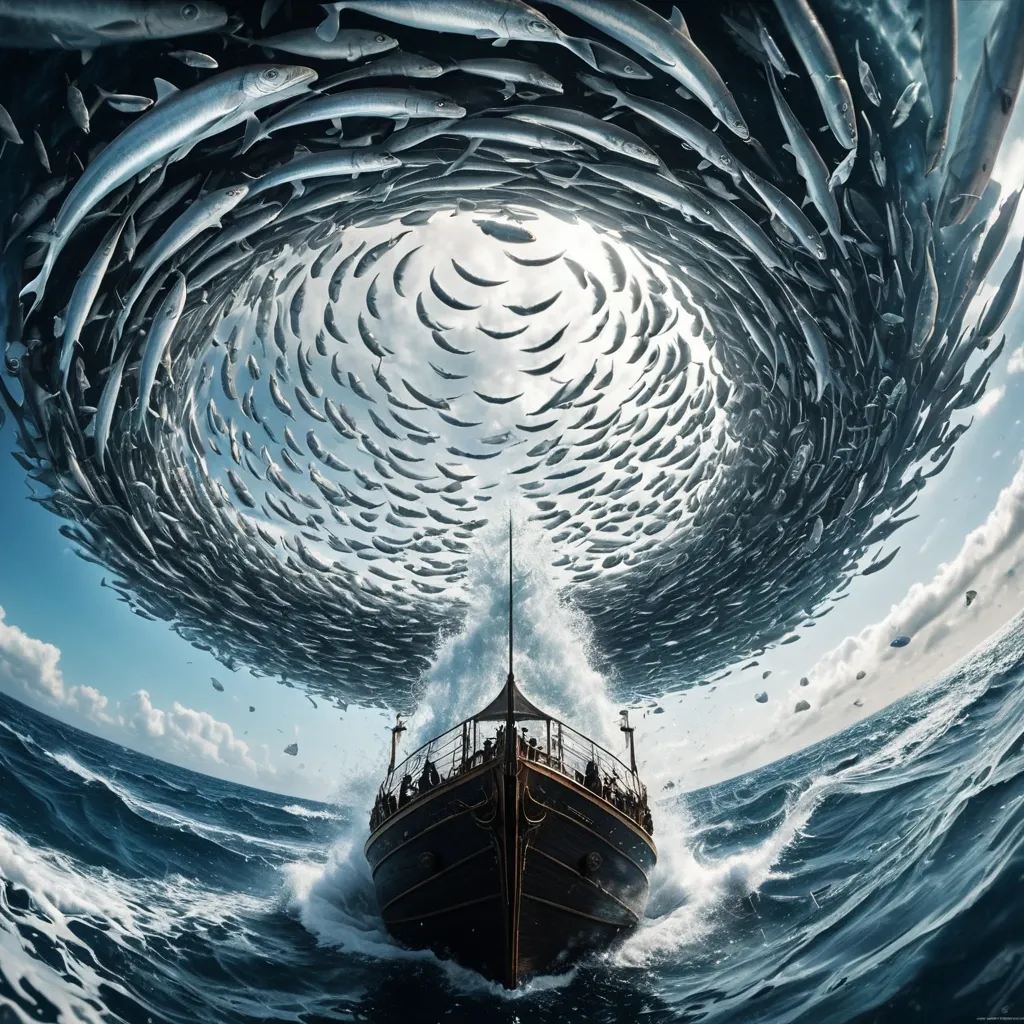
Fish's eye view , view from down , Sea wildlife—small fish , drops , and shells—rise from the wavy-ocean , suspended within the turbulence. appears towards sky , horizontal Spiraling Vortex Flow , twisting within a funnel of swirling blurred outlines. The eyelashes are rendered with striking detail. Whale belongs to something alive hidden within the vapor. Arabian ocean and in front a group of sails ship. The surrounding clouds billow up to the ceiling. bright daylight , realistic lighting , sharp details , cinematic realism , only hyper-realistic photography style. ,
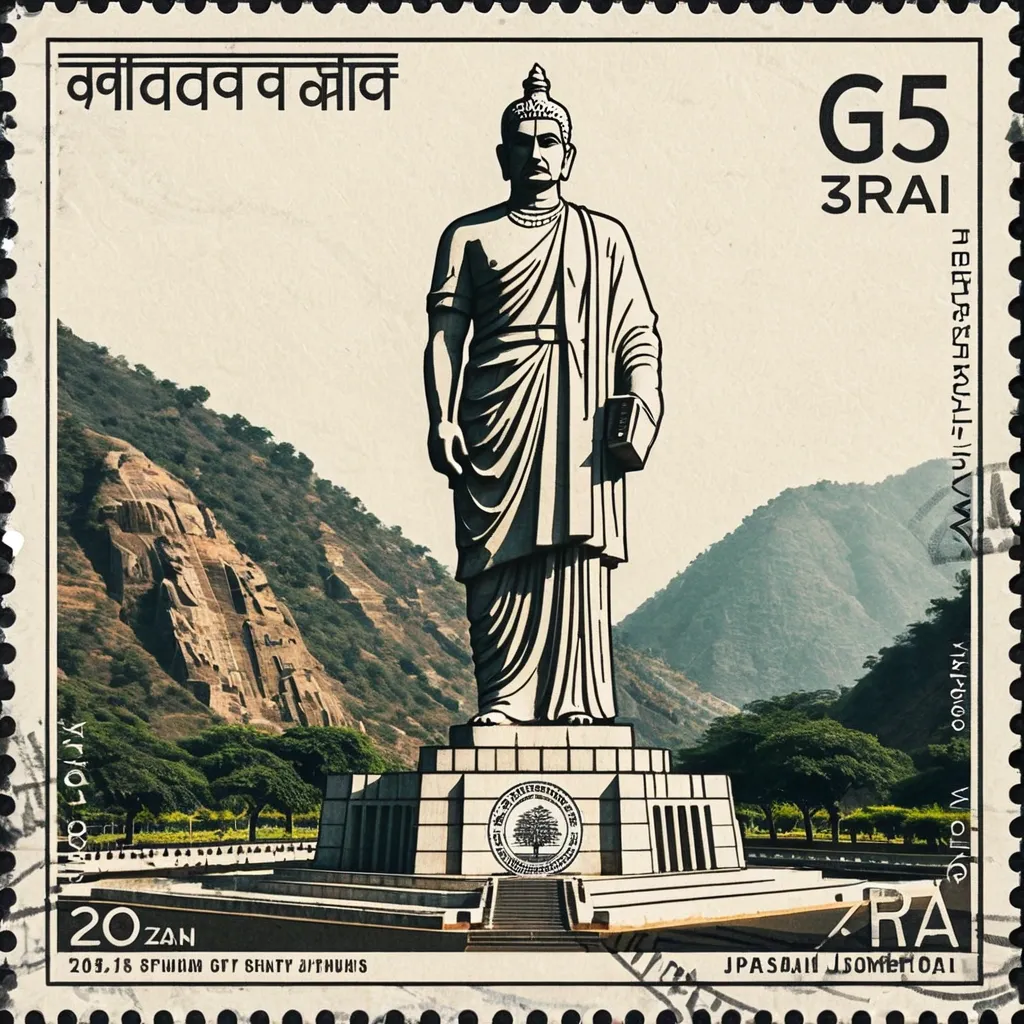
Create a realistic photographic scene of Statue Of Unity , accurately depicting its recognizable architecture , landscape , people , vegetation , terrain , perspective , lighting , shadows , and natural atmosphere. The scene must remain photographic and realistic , with only subtle archival grading and fine film grain. Make it resemble an authentic vintage travel postage stamp with: Subtle perforated edges Aged printed texture Mild ink absorption Slight print wear and tonal variation Natural analog character POSTAGE TYPOGRAPHY Integrate small vintage postal typography directly into the stamp: Statue Of Unity Small Narmada valley , near Kevadia in the state of Gujarat , India POSTAGE denomination or numerical value October 2013–October 2018 Optional small serial/issue number Use restrained serif , engraved , condensed , or archival lettering with subtle fading and imperfect ink. Keep typography away from important visual details. Avoid modern branding , fake government logos , and decorative slogans. RIGHT — RUBBER STAMP Create a small 2–4 color hand-carved rubber-stamp impression representing the most recognizable features of Statue Of Unity. Simplify the scene into strong visual shapes such as architecture , mountain contours , roads , shorelines , settlements , vegetation , or distinctive silhouettes. Remove unnecessary crowds , vehicles , repetitive buildings , and fine details. Place the stamp in the lower-middle of the right panel , occupying about 30–38% of the panel height , with generous whitespace. Use muted colors inspired by the destination. Add authentic handmade imperfections: uneven carving , broken edges , dry ink , paper show-through , granular texture , uneven pressure , ghosting , and subtle 1–2 mm color misregistration. It should look like a genuine hand-stamped mark on aged paper , never a clean vector logo. FIELD-NOTE TEXT Add small typewriter-style text near the stamp: Statue Of Unity No. 2018 182 metres · Narmada valley · Ekta Nagar 2018 October Keep the text small , understated , and secondary. STYLE Quiet , archival , tactile , regional , understated , and collectible — like a genuine travel document combining a vintage photographic postage stamp with an architect's field-note rubber stamp. ,
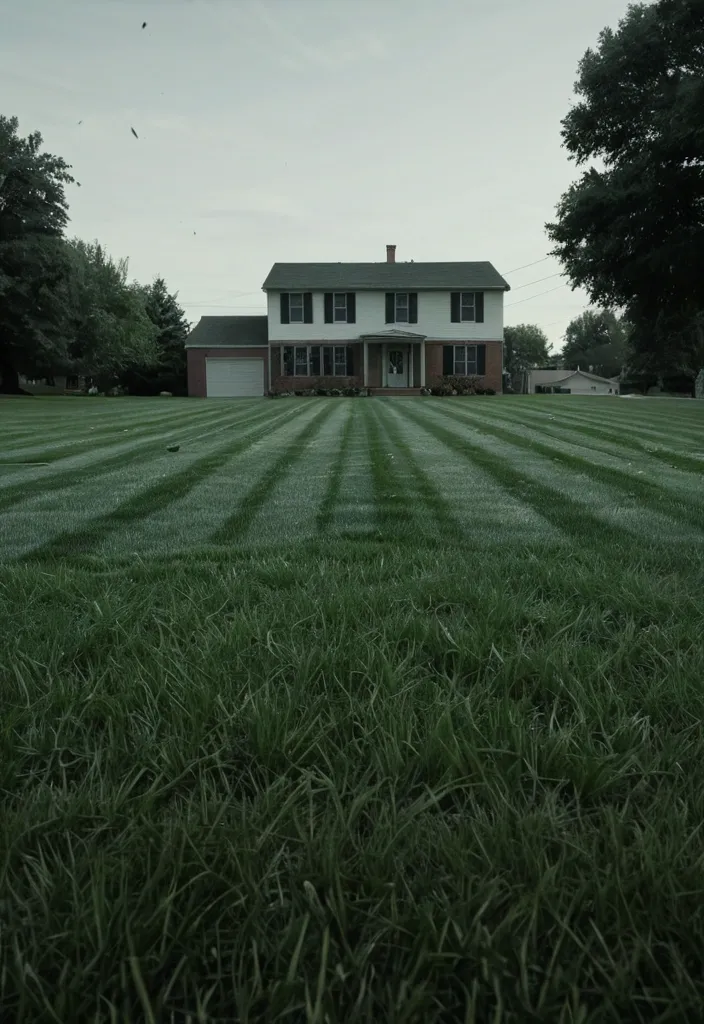
The picture is square , aspect ratio 1:1. The lawn is like the front lawn of an American dream house , but somewhere from the right side a monstrous lawnmower is approaching , bringing inexorable destruction and mowing of the grass. The lawnmower itself should not be drawn , its presence should be felt , the picture should convey the horror of this grass before the approaching end , evoke empathy for the blades of grass. Photorealism. Minimalism. The style is like in the painting American Gothic. No flags. WITHOUT cartoon grass. WITHOUT the process of destruction itself. The picture needs to convey a sense of midday terror , it should be devoid of dynamics or direct signs of destruction. All the dynamics occur somewhere behind the scenes. Before us is only the liminal midday horror of photorealistic blades of grass , which will soon be mown and some have already been mown. ,
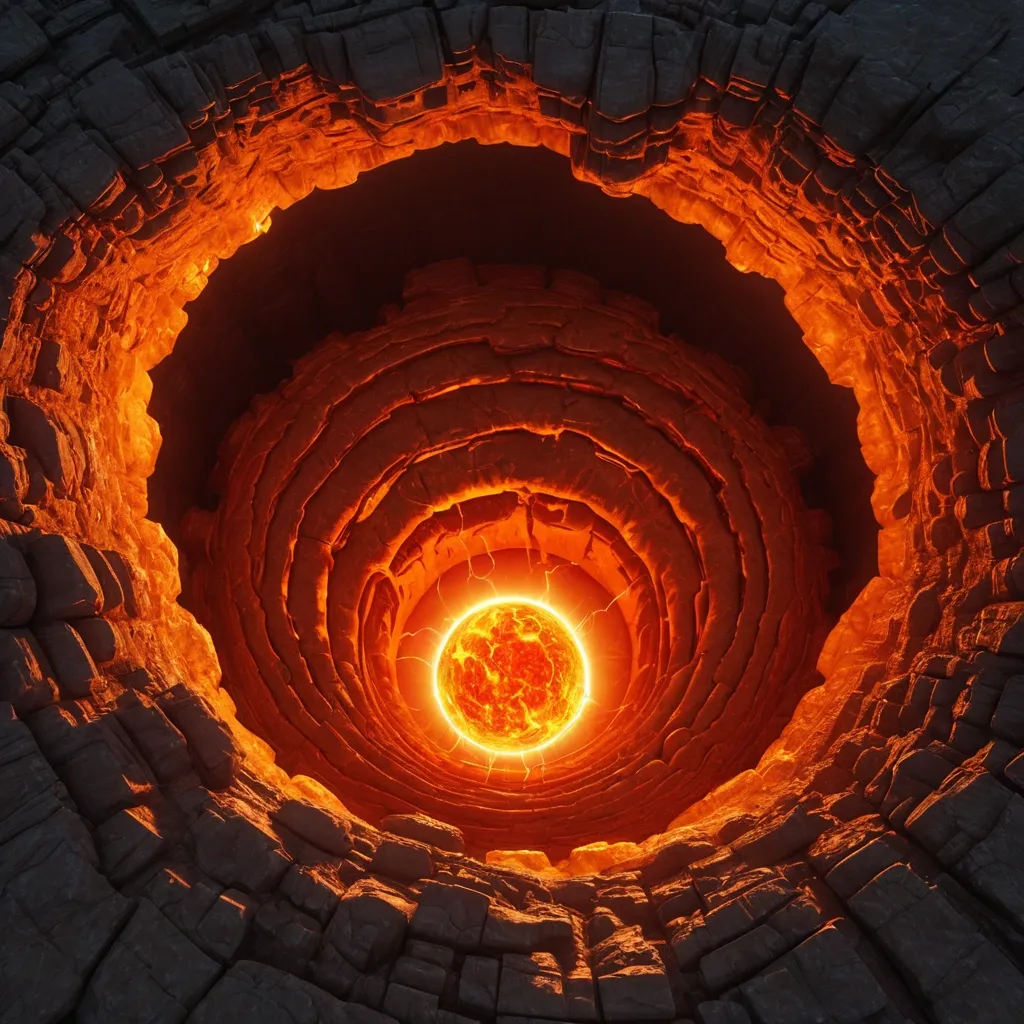
Photorealistic straight‑down aerial view of a vast circular Sunwell — a cavernous hole descending into shadow , with a massive fiery sphere suspended in its center. The orb glows intensely in orange , gold , and red , radiating heat and light that illuminate the rocky interior walls. The composition is perfectly top‑down , showing concentric layers of stone and molten glow around the central fireball. No horizon , no external landscape — only the pit and the radiant core. 1:1 ratio , realistic lighting , seamless texture suitable for map integration. ,
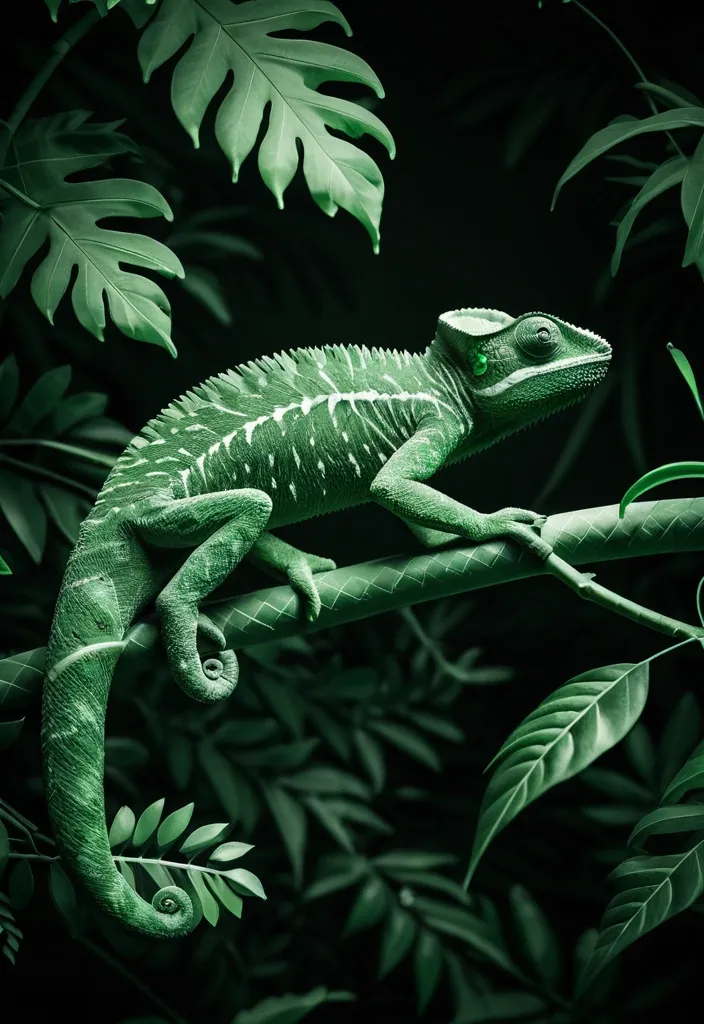
Depict a chameleon and a leaf using only shades of green. The chameleon sits motionless on a green branch , blending seamlessly into the foliage. A monochrome green photograph. Key features include intricate textures , a natural pose , a dramatic atmosphere , meticulous composition , cinematic lighting , sharp outlines , and a balanced layout. ,
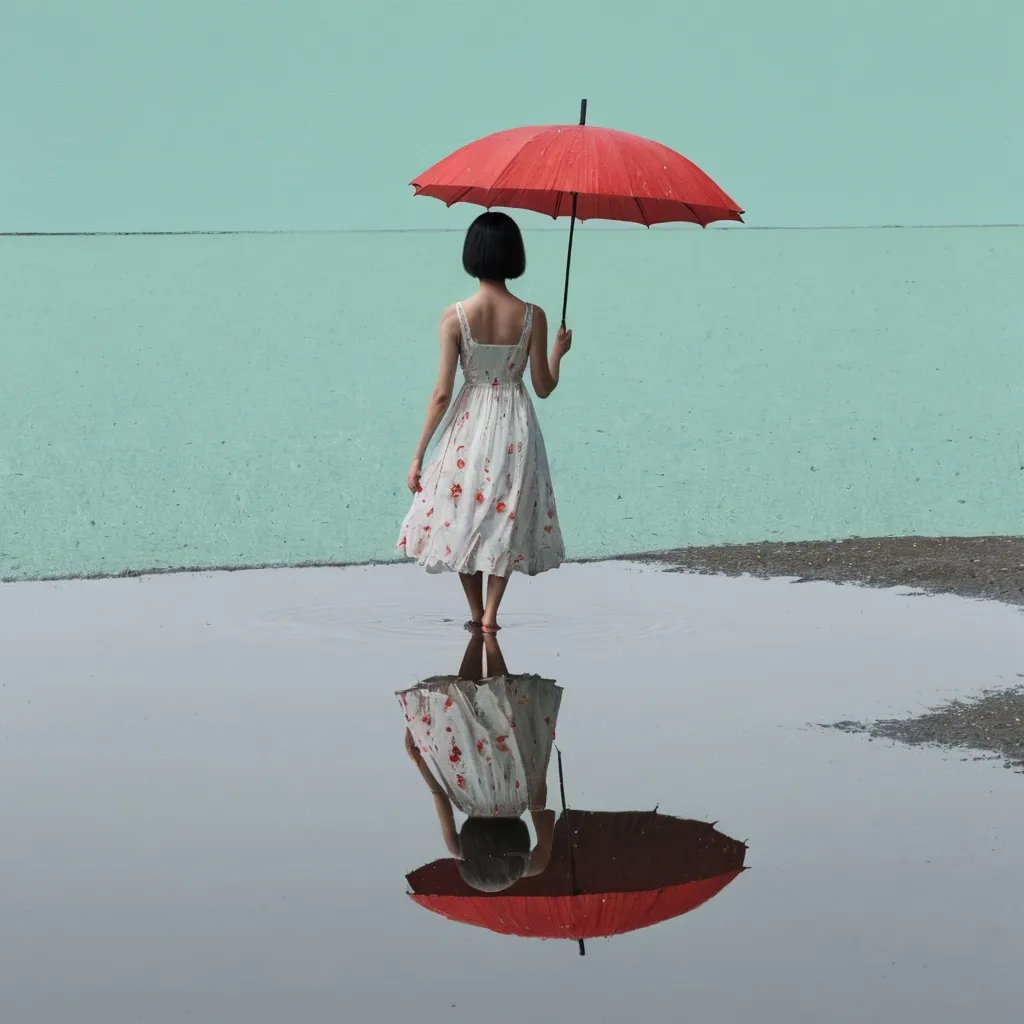
A lone woman is positioned in the lower-middle portion of the frame , facing away from the viewer. She has light skin , a slender build , and short , messy black hair with bangs. Her eyes are closed , and she has a calm , peaceful expression. She wears a long , sleeveless white sundress with a red floral pattern and a ruffled hem. She holds a large , red umbrella over her head. The woman and her umbrella are reflected in a shallow pool of water on the ground beneath her. The reflection is vertically elongated and slightly distorted , showing the pink of the dress and the blue of the umbrella in soft , blended strokes. The umbrella is a vibrant , solid red and is held behind her head and shoulders , its canopy extending towards the image-right. The black ribs of the umbrella are visible on its underside. The background is a vast , textured expanse of pale mint green , which occupies more than three-quarters of the image's height. The paint is applied with visible , thick brushstrokes and palette knife marks , creating a tactile surface that catches the light. There are no other objects , landmarks , or figures in the scene. The horizon line is very low and indistinct , suggested only by a slight change in the direction of the brushstrokes and the presence of the reflective water. ,
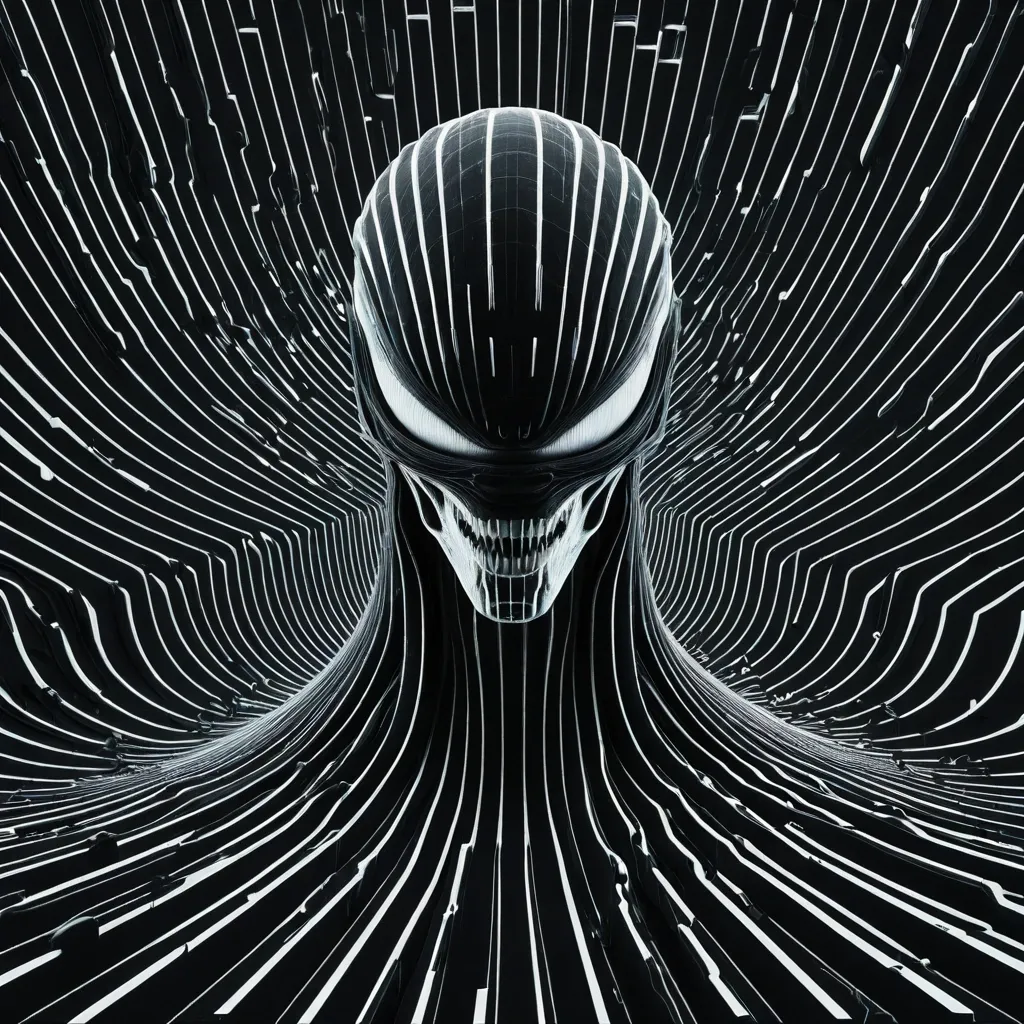
[SUBJECT]: Xenomorph face [BACKGROUND]: black [RASTER SMOCKS]: white [DIRECTION]: horizontal Design an experimental poster using a continuous high-density raster smock field , large-scale spatial deformation , and negative-space typography. Cover the entire composition with fine parallel smocks. Keep every line clean , continuous , smooth , uniform in thickness , and consistently spaced. The smocks should form one coherent field with no breaks , intersections , sudden bends , or random short fragments. Place Xenomorph face as the main visual , occupying roughly 70–80% of the composition. Do not simply place the subject on top of the smocks. Instead , make it feel like a hidden 3D form pushing through the raster field. Use only 2–4 large , controlled deformation zones rather than many small ripples. Let the smocks smoothly compress , expand , bend , and flow around the subject , then gradually return to the original parallel field away from it. The subject should become visible mainly through deformation and negative space. Keep only minimal real details where needed for recognition. Style: Op Art , generative graphic design , contemporary editorial poster , refined and minimal. Prioritize line quality above everything else: extremely fine , sharp , elegant , uninterrupted curves with smooth deformation and precise spacing. Avoid broken lines , warped or jagged curves , intersections , chaotic ripples , excessive realism , generic sci-fi UI , cyberpunk effects , excessive text , logos , numbering , starbursts , and sparkles. ,
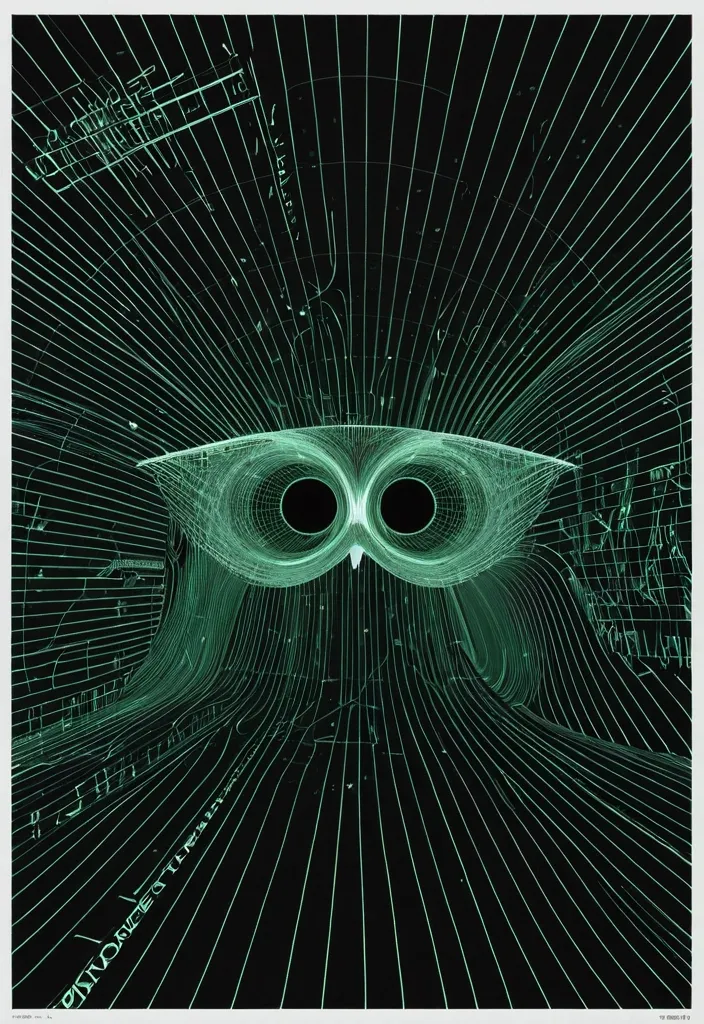
[SUBJECT]: Owl face , eyes look over the upper edges of translucent fluorescent green eyeglasses that sit low across the bridge of his nose [BACKGROUND]: night-sky [RASTER LINES]: gray [DIRECTION]: vortex Design an experimental poster using a continuous high-density raster line field , large-scale spatial deformation , and negative-space typography. Cover the entire composition with fine parallel lines. Keep every line clean , continuous , smooth , uniform in thickness , and consistently spaced. The lines should form one coherent field with no breaks , intersections , sudden bends , or random short fragments. Place Owl face as the main visual , occupying roughly 70–80% of the composition. Do not simply place the subject on top of the lines. Instead , make it feel like a hidden 3D form pushing through the raster field. Use only 2–4 large , controlled deformation zones rather than many small ripples. Let the lines smoothly compress , expand , bend , and flow around the subject , then gradually return to the original parallel field away from it. The subject should become visible mainly through deformation and negative space. Keep only minimal real details where needed for recognition. Create 2–3 small information areas inside quieter negative spaces. Use minimal modern sans-serif typography with strong hierarchy and generous spacing. Keep the text much smaller than the main visual and avoid placing it over dense line areas. Style: Op Art , generative graphic design , experimental typography , contemporary editorial poster , refined and minimal. Prioritize line quality above everything else: extremely fine , sharp , elegant , uninterrupted curves with smooth deformation and precise spacing. Avoid broken lines , warped or jagged curves , intersections , chaotic ripples , excessive realism , generic sci-fi UI , cyberpunk effects , excessive text , logos , numbering , starbursts , and sparkles. ,
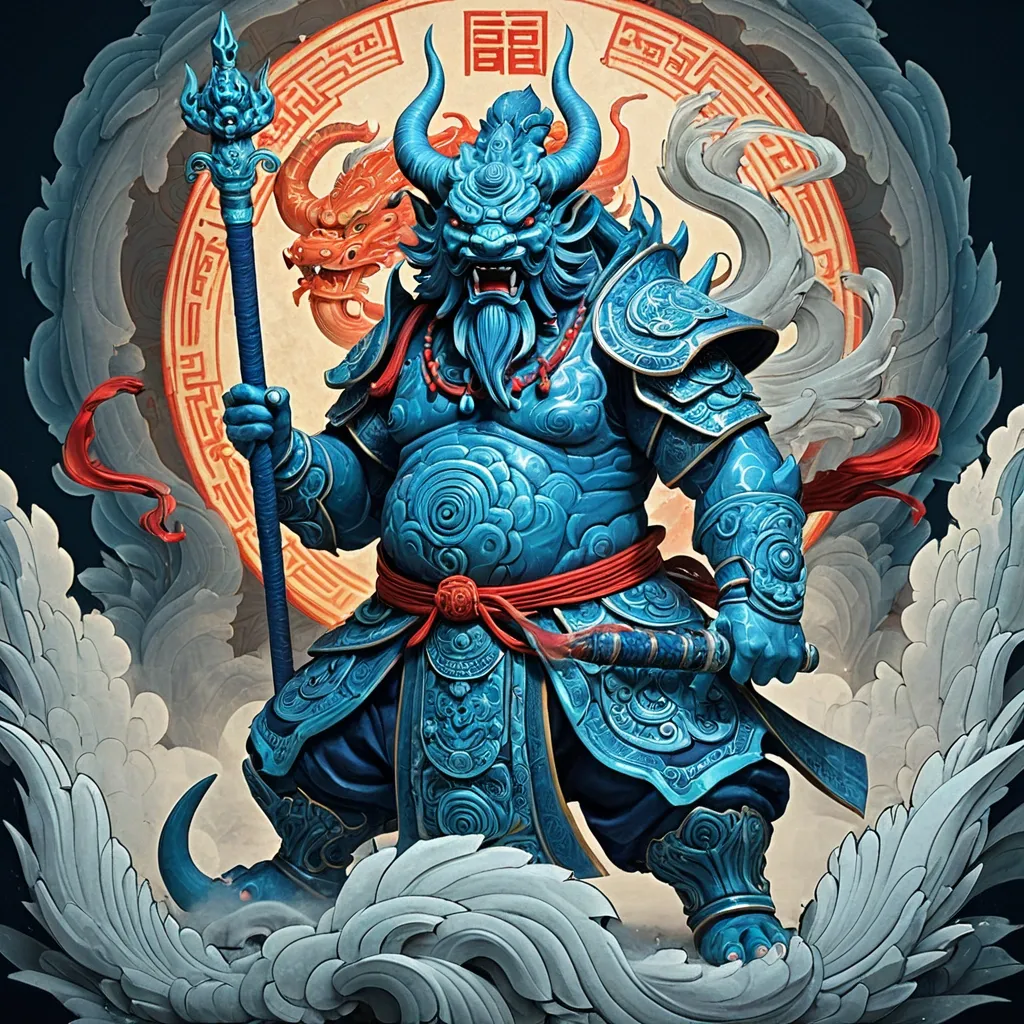
Deity Identity: Emperor Zhenwu Mythical Beast Type: Divine Rhino Weapon: Divine Sword Color Palette: Azurite Blue , Silver , & Gray Overall Aura: Exorcising Evil Composition Direction: Frontal Subjugation Generate an illustration of an Eastern deity and their mythical beast mount , blending visual languages from traditional deity paintings , *Gongbi* (meticulous brushwork) with rich colors , *Baimiao* (fine-line drawing) , folk woodblock prints , and ancient illustrated scrolls. The image features the "Deity + Mythical Beast" as dual subjects. The deity serves as the core visual focus , while the beast possesses significant scale and presence; they engage in a clear , dynamic interaction—such as mounting , guarding , charging side-by-side , or circling in protection—rather than a simple collage. The deity's face exudes majesty , divinity , and an imposing aura , avoiding both modern "idol-like" features and excessive demon-like distortion. Attire consists of highly detailed traditional divine armor or ritual robes , incorporating intricate patterns such as cloud motifs , thunder patterns , beast-face masks , scale armor textures , and scrolling vines. While details are rich , the figure's overall silhouette must remain distinct. The mythical beast embodies the spirit of a divine creature , spirit beast , or evil-warding mount , possessing a robust physique and a powerful stance. Fur , scales , and tortoise shells are rendered using numerous fine , directional lines to emphasize the texture of traditional *Gongbi* painting (defining form through line); avoid photorealistic fur or 3D CG textures. Weapons or artifacts are integrated into the composition to create distinct diagonal lines , vertical lines , or a primary axis of action. Avoid stiff , static poses for the figures; instead , incorporate actions such as twisting the torso , lowering a shoulder , leaning forward , wielding a weapon , forming a ritual hand seal , patrolling , or launching an attack to imbue the image with a distinct sense of dynamic momentum (*shi*). Integrate elements such as flowing sashes , fluttering sleeves , headdress ribbons , wisps of hair or beard , and swirls of cloud , smoke , or mist. These should harmonize with the figure's movement to create S-shaped , C-shaped , or swirling fluid lines. Ensure these flowing elements serve the overall theme rather than cluttering the composition merely for the sake of detail. Maintain the aesthetic of traditional *xuan* paper by preserving negative space. Use an off-white , ivory , or aged-paper tone as the base , adding only minimal elements—such as inscriptions , vermilion seals , cloud patterns , or wisps of smoke—to evoke the feel of an ancient illustrated scroll or sacred icon. Avoid complex backgrounds depicting palaces , battlefields , or full-scale landscapes. Employ a palette of low-saturation mineral pigments centered around a dominant hue. Complement this with colors such as ink black , deep blue-black , azurite blue , malachite green , antique gold , cinnabar , ochre red , and grayish-white. The overall tone should be elegant and restrained , using small accents of high-saturation color to add vibrancy. The final image must simultaneously convey the solemnity of an Eastern deity , the imposing presence of a mythical beast , the intricate detail of fine-line brushwork (*gongbi*) , the serene atmosphere of ancient *xuan* paper , and a clear , powerful compositional dynamism. Avoid: modern "Guochao" neon aesthetics , cyberpunk styles , the look of 3D game concept art , "plastic" CG textures , cluttered backgrounds , stiff figures , generic-looking mythical beasts , loose or sloppy linework , and excessive or garbled text. ,
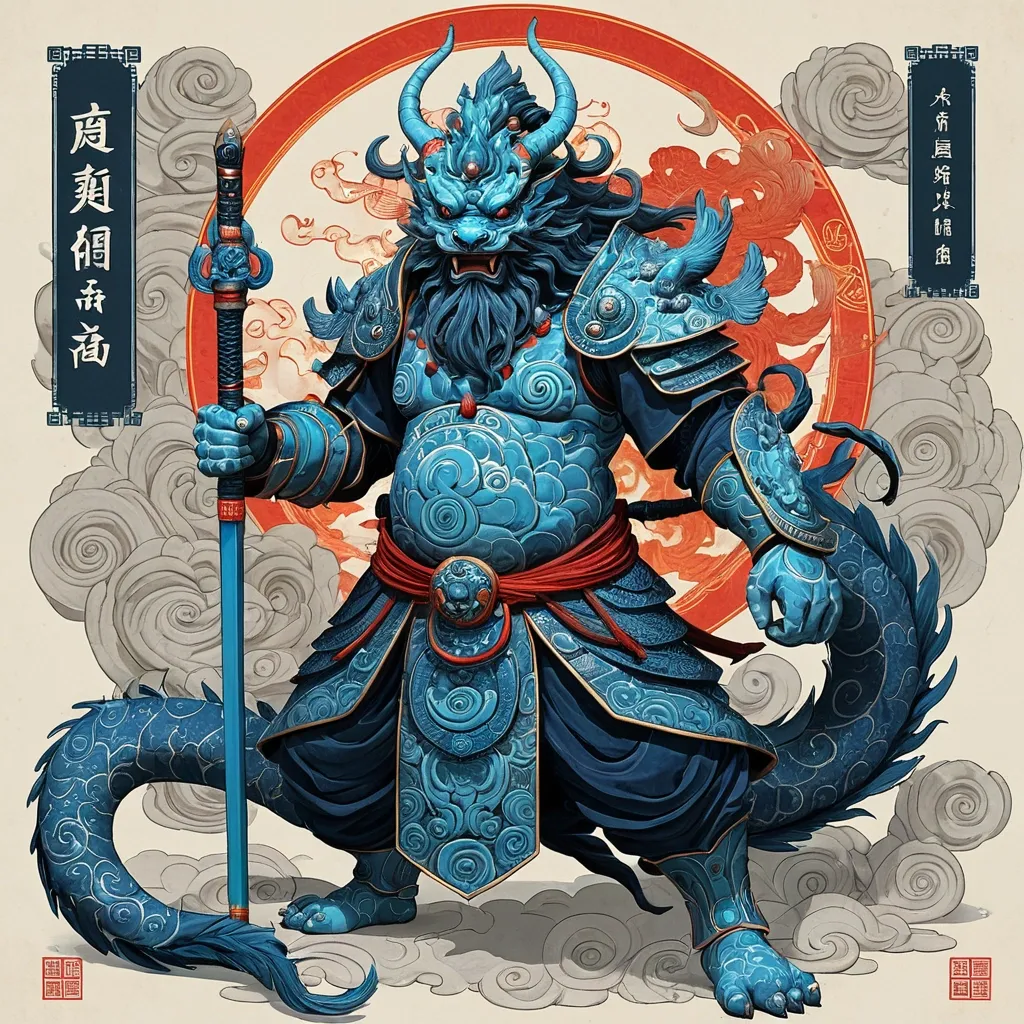
Prompt: [Replaceable Content] Deity Identity: Emperor Zhenwu Mythical Beast Type: Divine Hound Weapon: Divine Sword Color Palette: Azurite Blue , Silver , & Gray Overall Aura: Exorcising Evil Composition Direction: Frontal Subjugation Generate an illustration of an Eastern deity and their mythical beast mount , blending visual languages from traditional deity paintings , *Gongbi* (meticulous brushwork) with rich colors , *Baimiao* (fine-line drawing) , folk woodblock prints , and ancient illustrated scrolls. The image features the "Deity + Mythical Beast" as dual subjects. The deity serves as the core visual focus , while the beast possesses significant scale and presence; they engage in a clear , dynamic interaction—such as mounting , guarding , charging side-by-side , or circling in protection—rather than a simple collage. The deity's face exudes majesty , divinity , and an imposing aura , avoiding both modern "idol-like" features and excessive demon-like distortion. Attire consists of highly detailed traditional divine armor or ritual robes , incorporating intricate patterns such as cloud motifs , thunder patterns , beast-face masks , scale armor textures , and scrolling vines. While details are rich , the figure's overall silhouette must remain distinct. The mythical beast embodies the spirit of a divine creature , spirit beast , or evil-warding mount , possessing a robust physique and a powerful stance. Fur , scales , and tortoise shells are rendered using numerous fine , directional lines to emphasize the texture of traditional *Gongbi* painting (defining form through line); avoid photorealistic fur or 3D CG textures. Weapons or artifacts are integrated into the composition to create distinct diagonal lines , vertical lines , or a primary axis of action. Avoid stiff , static poses for the figures; instead , incorporate actions such as twisting the torso , lowering a shoulder , leaning forward , wielding a weapon , forming a ritual hand seal , patrolling , or launching an attack to imbue the image with a distinct sense of dynamic momentum (*shi*). Integrate elements such as flowing sashes , fluttering sleeves , headdress ribbons , wisps of hair or beard , and swirls of cloud , smoke , or mist. These should harmonize with the figure's movement to create S-shaped , C-shaped , or swirling fluid lines. Ensure these flowing elements serve the overall theme rather than cluttering the composition merely for the sake of detail. Maintain the aesthetic of traditional *xuan* paper by preserving negative space. Use an off-white , ivory , or aged-paper tone as the base , adding only minimal elements—such as inscriptions , vermilion seals , cloud patterns , or wisps of smoke—to evoke the feel of an ancient illustrated scroll or sacred icon. Avoid complex backgrounds depicting palaces , battlefields , or full-scale landscapes. Employ a palette of low-saturation mineral pigments centered around a dominant hue. Complement this with colors such as ink black , deep blue-black , azurite blue , malachite green , antique gold , cinnabar , ochre red , and grayish-white. The overall tone should be elegant and restrained , using small accents of high-saturation color to add vibrancy. The final image must simultaneously convey the solemnity of an Eastern deity , the imposing presence of a mythical beast , the intricate detail of fine-line brushwork (*gongbi*) , the serene atmosphere of ancient *xuan* paper , and a clear , powerful compositional dynamism. Avoid: modern "Guochao" neon aesthetics , cyberpunk styles , the look of 3D game concept art , "plastic" CG textures , cluttered backgrounds , stiff figures , generic-looking mythical beasts , loose or sloppy linework , and excessive or garbled text. ,
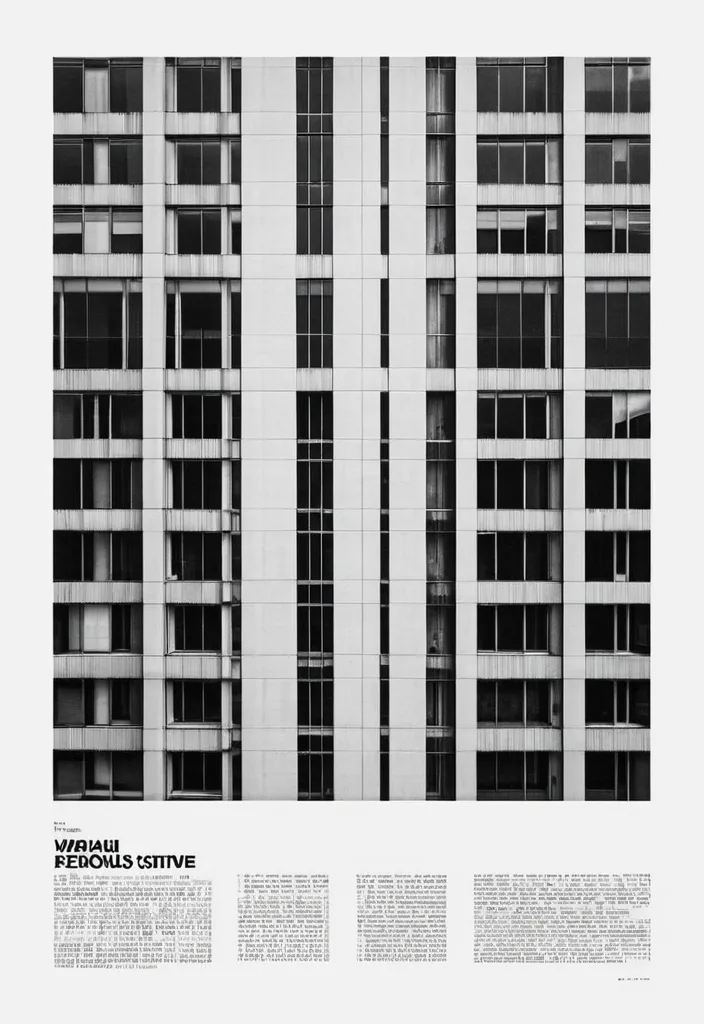
Transform the uploaded image into a premium brutalist editorial magazine poster. The entire poster should first be converted into high-contrast black-and-white. Apply: a monochrome newspaper print aesthetic a gritty editorial grain a matte paper texture a photocopy texture a magazine print imperfections a rough print noise a halftone grain a subtle paper fibers a archive print quality a high ISO film grain The black-and-white treatment should dominate approximately 75-85% of the composition. COLOR REVEAL SYSTEM Create multiple rectangular crop windows across the layout. Inside these crop windows preserve the original image colors. Only these selected fragments should remain in color. The rest of the poster remains black-and-white. Use: a vertical crop strips a horizontal crop strips a offset rectangles a overlapping image fragments a editorial cutout windows Color windows should reveal important details such as: eyes , hands , clothing details , objects , accessories , key focal points. TYPOGRAPHY Massive oversized condensed sans-serif typography. Typography should be large enough to be cropped by the canvas edges. Magazine-cover style hierarchy. Brutalist editorial design. Swiss-inspired layout. Add: a huge headline a section labels a issue numbers a micro typography a coordinates a technical annotations a small captions a editorial metadata LAYOUT Structured grid system. Intentional asymmetry. Layered rectangles. Editorial composition. Luxury magazine design. Poster design. Creative agency portfolio aesthetic. TEXTURE Heavy print grain. Visible paper texture. Magazine stock texture. Photocopied poster feel. Slight ink spread. Physical print imperfections. Scanned publication appearance. Most imp - 85% black-and-white editorial print , 15% selective color reveal windows. MOOD High-end editorial. Fashion campaign. Art-direction showcase. Creative magazine cover. Brutalist design poster. IMPORTANT The monochrome treatment must dominate the poster. The color fragments should feel like windows cut into a black-and-white print. Do not create a fully colored poster. Do not create random collage effects. The result should resemble a premium editorial publication where selective color slices reveal the original photograph beneath a gritty black-and-white printed surface ,