Search Results for conditions
Explore AI generated designs, images, art and prompts by top community artists and designers.
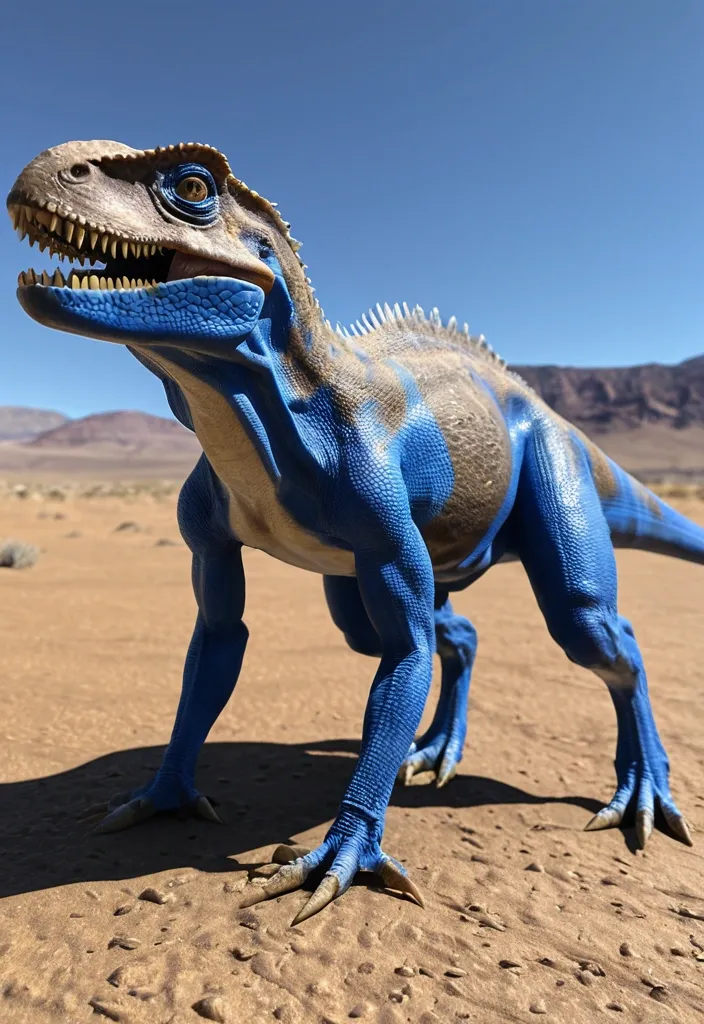

The hybrid was created by modifying the genome of a Tyrannosaurus rex , with the DNA of three other theropod species that were Utahraptor , Saurophaganax , and Giganotosaurus. Also the DNA of Quadrupes like Triceratops , Scelidosaurus , Gigantopithecus. DNA of modern animals such as Greater blue-ringed octopus , Inland Taipan , Northern Short-tailed Shrew , Komodo Dragon , Opossum , Mongoose , Whiptail Lizard , Cuttlefish , and Tardigrades. The genome of Tyrannosaurus rex , Utahraptor , Saurophaganax , and Giganotosaurus was used as the base genome for the hybrid. The shape of the headcrest is from the Triceratops. Utahraptor DNA was added for high levels of intelligence and the ability to make plans , decisions and pack hunting. Gigantopithecus DNA added for Knuckle-walking. Triceratops , and Scelidosaurus armor added a biological form of armor that absorbed most of the incoming attacks. Northern short-tailed shrew iron teeth , the Inland taipan's retractable fangs and the Komodo Dragon serrated teeth genome was used to form the teething of the hybrid. Saurophaganax and Gigantopithecus DNA added the presence of long strong arms with slashing hook claws and the use of tools. Cuttlefish genes were intended to help the hybrid withstand an accelerated growth , but it also added chromatophore cells in the skin so it could change the shape , color , and texture of its skin like a cuttlefish. Opossum , Mongoose and Tardigrades DNA was added for the hybrid to be more resistant to climate changes , harmful toxins or bacterial infections , while tardigrades also added survival of extreme conditions such as exposure to extreme temperatures , extreme pressures , air deprivation , radiation , dehydration , and starvation. Northern short-tailed shrew , the Inland Taipan , Greater blue-ringed octopus and the Komodo Dragon's DNA also added special cavities and glands in the skull that gave her infrared vision , and highly toxic saliva. Said DNA also gave her the ability to open her mandibles and jaws as wide as a snake , specifically at around 90 degrees.Lastly , DNA from a whiptail lizard was added for reproduction purposes. ,
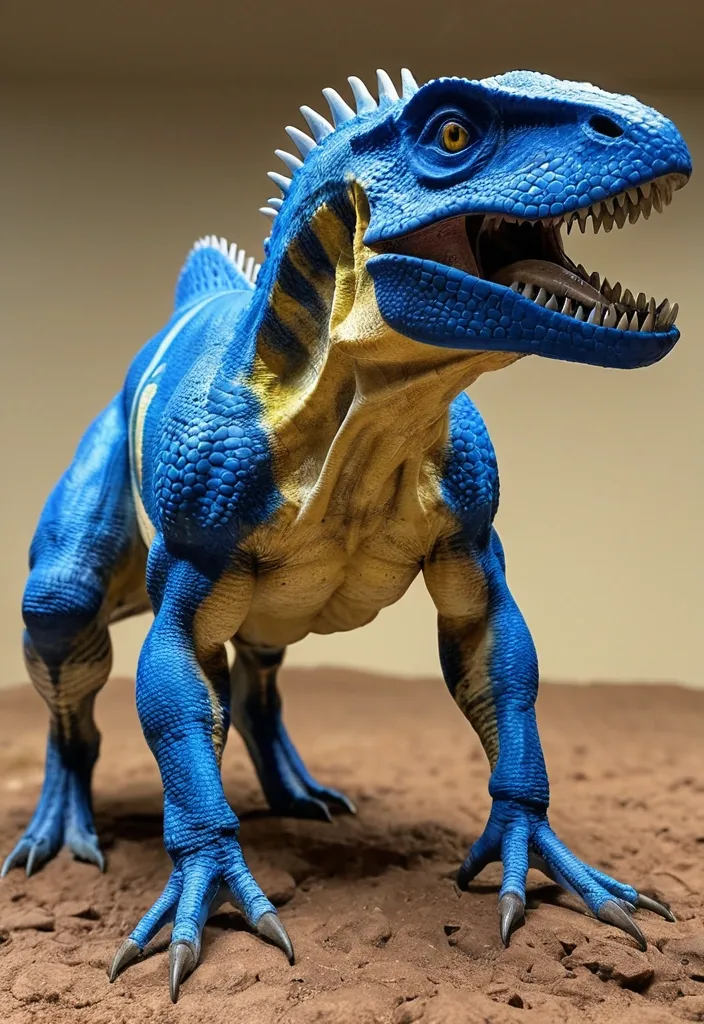
The hybrid was created by modifying the genome of a Tyrannosaurus rex , with the DNA of three other theropod species that were Utahraptor , Saurophaganax , and Giganotosaurus. Also the DNA of Quadrupes like Triceratops , Scelidosaurus , Gigantopithecus. DNA of modern animals such as Greater blue-ringed octopus , Inland Taipan , Northern Short-tailed Shrew , Komodo Dragon , Opossum , Mongoose , Whiptail Lizard , Cuttlefish , and Tardigrades. The genome of Tyrannosaurus rex , Utahraptor , Saurophaganax , and Giganotosaurus was used as the base genome for the hybrid. The shape of the headcrest is from the Triceratops. Utahraptor DNA was added for high levels of intelligence and the ability to make plans , decisions and pack hunting. Gigantopithecus DNA added for Knuckle-walking. Triceratops , and Scelidosaurus armor added a biological form of armor that absorbed most of the incoming attacks. Northern short-tailed shrew iron teeth , the Inland taipan's retractable fangs and the Komodo Dragon serrated teeth genome was used to form the teething of the hybrid. Saurophaganax and Gigantopithecus DNA added the presence of long strong arms with slashing hook claws and the use of tools. Cuttlefish genes were intended to help the hybrid withstand an accelerated growth , but it also added chromatophore cells in the skin so it could change the shape , color , and texture of its skin like a cuttlefish. Opossum , Mongoose and Tardigrades DNA was added for the hybrid to be more resistant to climate changes , harmful toxins or bacterial infections , while tardigrades also added survival of extreme conditions such as exposure to extreme temperatures , extreme pressures , air deprivation , radiation , dehydration , and starvation. Northern short-tailed shrew , the Inland Taipan , Greater blue-ringed octopus and the Komodo Dragon's DNA also added special cavities and glands in the skull that gave her infrared vision , and highly toxic saliva. Said DNA also gave her the ability to open her mandibles and jaws as wide as a snake , specifically at around 90 degrees.Lastly , DNA from a whiptail lizard was added for reproduction purposes. ,
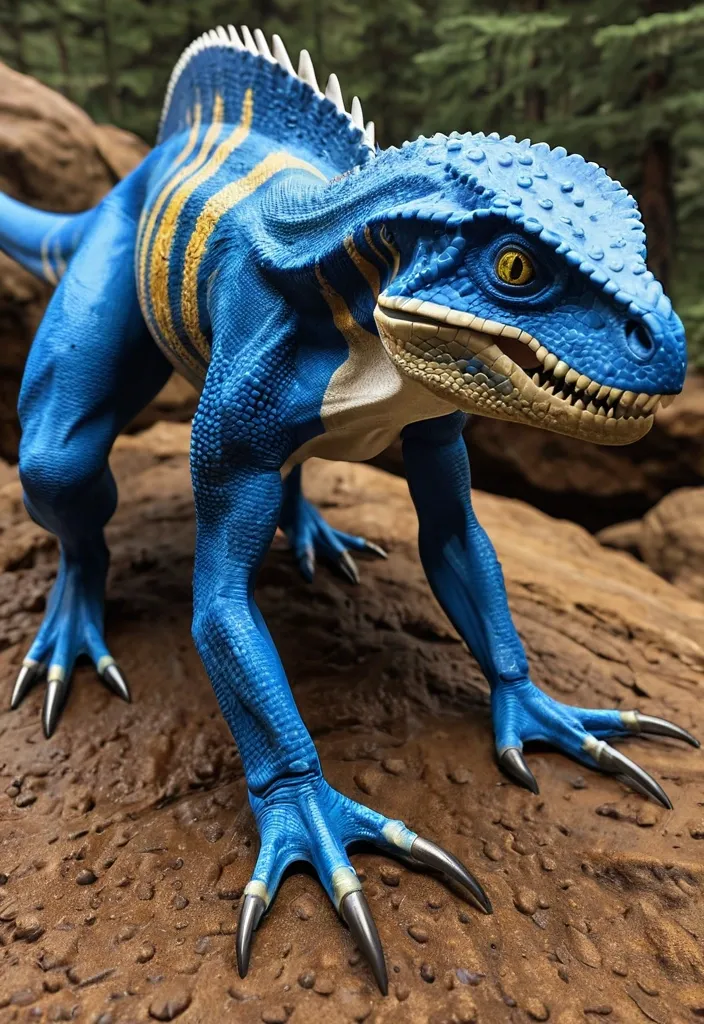
The hybrid was created by modifying the genome of a Tyrannosaurus rex , with the DNA of three other theropod species that were Utahraptor , Saurophaganax , and Giganotosaurus. Also the DNA of Quadrupes like Triceratops , Scelidosaurus , Gigantopithecus. DNA of modern animals such as Greater blue-ringed octopus , Inland Taipan , Northern Short-tailed Shrew , Komodo Dragon , Opossum , Mongoose , Whiptail Lizard , Cuttlefish , and Tardigrades. The genome of Tyrannosaurus rex , Utahraptor , Saurophaganax , and Giganotosaurus was used as the base genome for the hybrid. The shape of the headcrest is from the Triceratops. Utahraptor DNA was added for high levels of intelligence and the ability to make plans , decisions and pack hunting. Gigantopithecus DNA added for Knuckle-walking. Triceratops , and Scelidosaurus armor added a biological form of armor that absorbed most of the incoming attacks. Northern short-tailed shrew iron teeth , the Inland taipan's retractable fangs and the Komodo Dragon serrated teeth genome was used to form the teething of the hybrid. Saurophaganax and Gigantopithecus DNA added the presence of long strong arms with slashing hook claws and the use of tools. Cuttlefish genes were intended to help the hybrid withstand an accelerated growth , but it also added chromatophore cells in the skin so it could change the shape , color , and texture of its skin like a cuttlefish. Opossum , Mongoose and Tardigrades DNA was added for the hybrid to be more resistant to climate changes , harmful toxins or bacterial infections , while tardigrades also added survival of extreme conditions such as exposure to extreme temperatures , extreme pressures , air deprivation , radiation , dehydration , and starvation. Northern short-tailed shrew , the Inland Taipan , Greater blue-ringed octopus and the Komodo Dragon's DNA also added special cavities and glands in the skull that gave her infrared vision , and highly toxic saliva. Said DNA also gave her the ability to open her mandibles and jaws as wide as a snake , specifically at around 90 degrees.Lastly , DNA from a whiptail lizard was added for reproduction purposes. ,
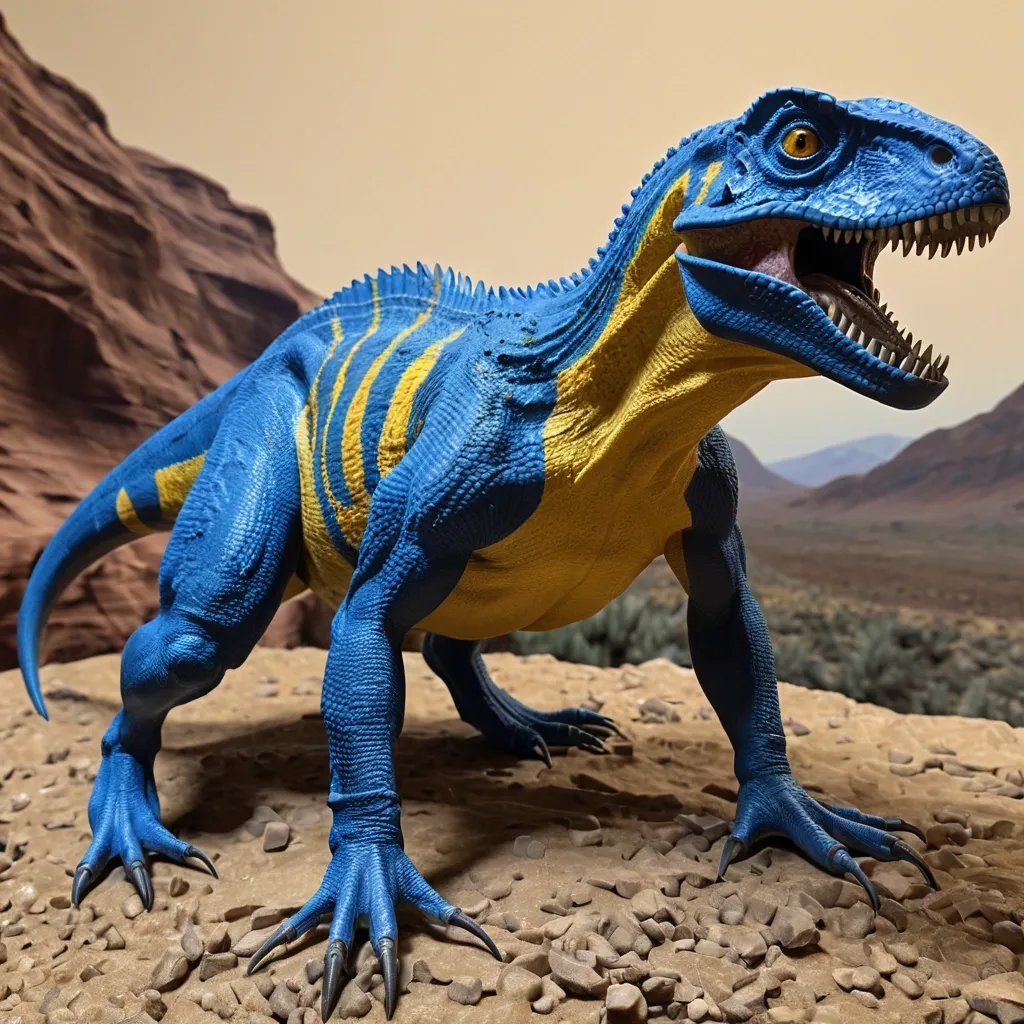
The hybrid was created by modifying the genome of a Tyrannosaurus rex , with the DNA of three other theropod species that were Utahraptor , Saurophaganax , and Giganotosaurus. Also the DNA of Quadrupes like Triceratops , Scelidosaurus , Gigantopithecus. DNA of modern animals such as Greater blue-ringed octopus , Inland Taipan , Northern Short-tailed Shrew , Komodo Dragon , Opossum , Mongoose , Whiptail Lizard , Cuttlefish , and Tardigrades. The genome of Tyrannosaurus rex , Utahraptor , Saurophaganax , and Giganotosaurus was used as the base genome for the hybrid. The shape of the headcrest is from the Triceratops. Utahraptor DNA was added for high levels of intelligence and the ability to make plans , decisions and pack hunting. Gigantopithecus DNA added for Knuckle-walking. Triceratops , and Scelidosaurus armor added a biological form of armor that absorbed most of the incoming attacks. Northern short-tailed shrew iron teeth , the Inland taipan's retractable fangs and the Komodo Dragon serrated teeth genome was used to form the teething of the hybrid. Saurophaganax and Gigantopithecus DNA added the presence of long strong arms with slashing hook claws and the use of tools. Cuttlefish genes were intended to help the hybrid withstand an accelerated growth , but it also added chromatophore cells in the skin so it could change the shape , color , and texture of its skin like a cuttlefish. Opossum , Mongoose and Tardigrades DNA was added for the hybrid to be more resistant to climate changes , harmful toxins or bacterial infections , while tardigrades also added survival of extreme conditions such as exposure to extreme temperatures , extreme pressures , air deprivation , radiation , dehydration , and starvation. Northern short-tailed shrew , the Inland Taipan , Greater blue-ringed octopus and the Komodo Dragon's DNA also added special cavities and glands in the skull that gave her infrared vision , and highly toxic saliva. Said DNA also gave her the ability to open her mandibles and jaws as wide as a snake , specifically at around 90 degrees.Lastly , DNA from a whiptail lizard was added for reproduction purposes. ,
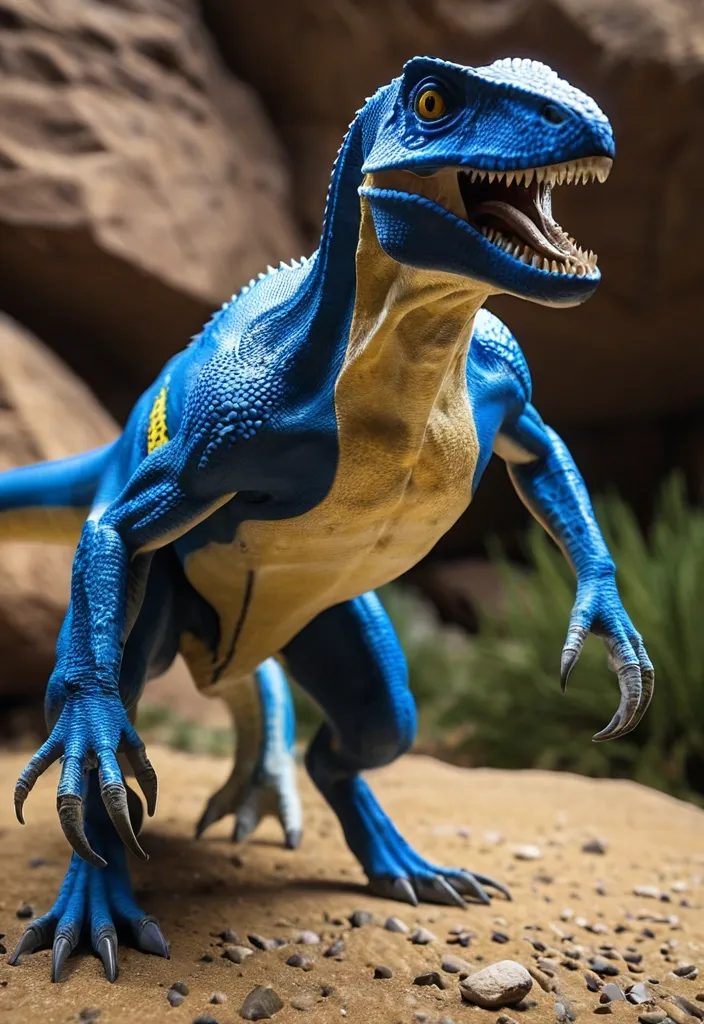
The hybrid was created by modifying the genome of a Tyrannosaurus rex , with the DNA of three other theropod species that were Utahraptor , Saurophaganax , and Giganotosaurus. Also the DNA of Quadrupes like Triceratops , Scelidosaurus , Gigantopithecus. DNA of modern animals such as Greater blue-ringed octopus , Inland Taipan , Northern Short-tailed Shrew , Komodo Dragon , Opossum , Mongoose , Whiptail Lizard , Cuttlefish , and Tardigrades. The genome of Tyrannosaurus rex , Utahraptor , Saurophaganax , and Giganotosaurus was used as the base genome for the hybrid. The shape of the headcrest is from the Triceratops. Utahraptor DNA was added for high levels of intelligence and the ability to make plans , decisions and pack hunting. Gigantopithecus DNA added for Knuckle-walking. Triceratops , and Scelidosaurus armor added a biological form of armor that absorbed most of the incoming attacks. Northern short-tailed shrew iron teeth , the Inland taipan's retractable fangs and the Komodo Dragon serrated teeth genome was used to form the teething of the hybrid. Saurophaganax and Gigantopithecus DNA added the presence of long strong arms with slashing hook claws and the use of tools. Cuttlefish genes were intended to help the hybrid withstand an accelerated growth , but it also added chromatophore cells in the skin so it could change the shape , color , and texture of its skin like a cuttlefish. Opossum , Mongoose and Tardigrades DNA was added for the hybrid to be more resistant to climate changes , harmful toxins or bacterial infections , while tardigrades also added survival of extreme conditions such as exposure to extreme temperatures , extreme pressures , air deprivation , radiation , dehydration , and starvation. Northern short-tailed shrew , the Inland Taipan , Greater blue-ringed octopus and the Komodo Dragon's DNA also added special cavities and glands in the skull that gave her infrared vision , and highly toxic saliva. Said DNA also gave her the ability to open her mandibles and jaws as wide as a snake , specifically at around 90 degrees.Lastly , DNA from a whiptail lizard was added for reproduction purposes. ,
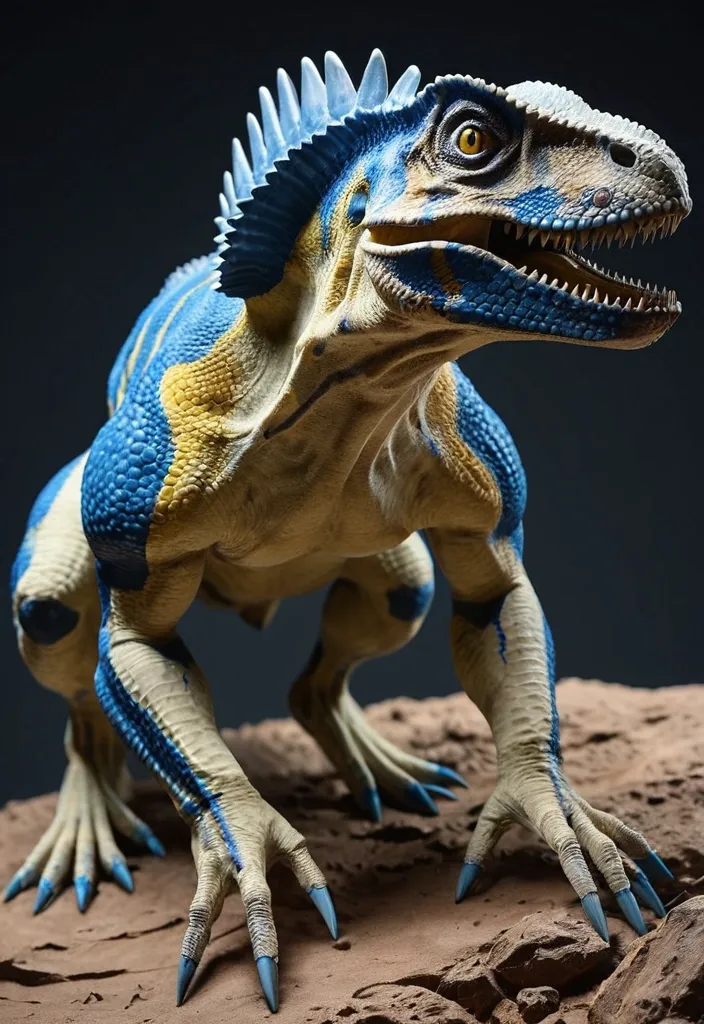
The hybrid was created by modifying the genome of a Tyrannosaurus rex , with the DNA of three other theropod species that were Utahraptor , Saurophaganax , and Giganotosaurus. Also the DNA of Quadrupes like Triceratops , and Scelidosaurus. DNA of modern animals such as Greater blue-ringed octopus , Inland Taipan , Northern Short-tailed Shrew , Komodo Dragon , Opossum , Mongoose , Gigantopithecus , Whiptail Lizard , Cuttlefish , and Tardigrades. The genome of Tyrannosaurus rex , Triceratops and Giganotosaurus was used as the base genome for the hybrid. Including the shape of the head in some parts from Giganotosaurus and Triceratops. Utahraptor DNA was added for high levels of intelligence and the ability to make plans , decisions and pack hunting. Reduced hind legs and Ape DNA added Knuckle-walking Quadruped. Triceratops , and Scelidosaurus were added to act as a biological form of armor that absorbed most of the incoming attacks. Northern short-tailed shrew , the Inland taipan's retractable fangs and the Komodo Dragon DNA was used to form the teeth of the Indominus that were used to tear through the flesh and armor of opponents. Saurophaganax and Gigantopithecus DNA added the presence of long strong arms with slashing hook claws and the use of tools. A swipe of the hybrid's claws would take down bigger opponents. While using tools for smaller elusive prey. Cuttlefish genes were intended to help the Venenosus withstand an accelerated growth , but it also added chromatophore cells in the skin so it could change the shape , color , and texture of its skin like a cuttlefish. Opossum , Mongoose and Tardigrades DNA was added for the Venenosus to be more resistant to climate changes , harmful toxins or bacterial infections , while tardigrades also added survival of extreme conditions such as exposure to extreme temperatures , extreme pressures , air deprivation , radiation , dehydration , and starvation. They have several defense mechanisms , including: A metabolic rate that gets as low as 0.01 percent of the normal rate. Organs protected by a sugary gel called trehalose. A protein that shields their DNA from radiation harm. Synthesis of cryoprotectant in chilly temperatures to prevent the development of ice crystals.Northern short-tailed shrew , the Inland Taipan , Greater blue-ringed octopus and the Komodo Dragon's DNA also added special cavities and glands in the skull that gave her infrared vision , and highly toxic saliva. Said DNA also gave her the ability to open her mandibles and jaws as wide as a snake , specifically at around 90 degrees.Lastly , DNA from a whiptail lizard was added for reproduction purposes. ,
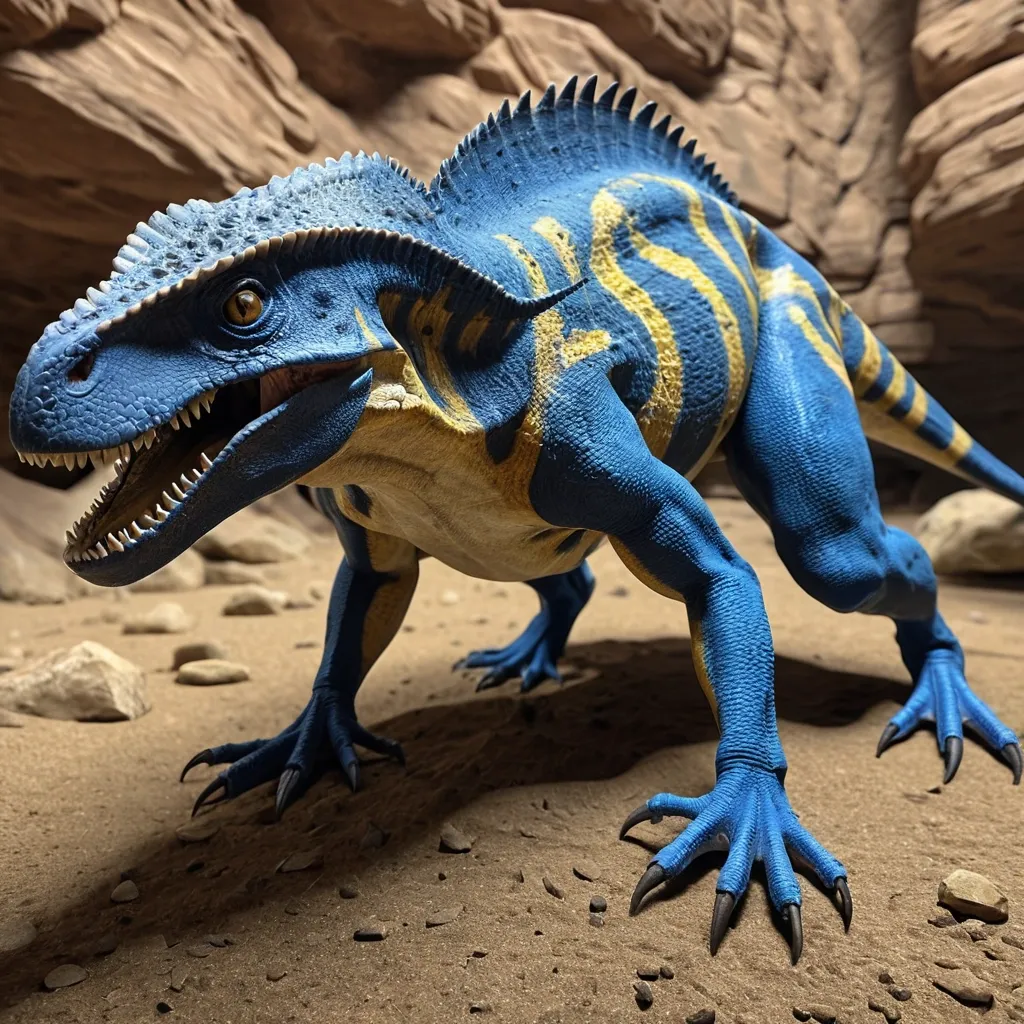
The hybrid was created by modifying the genome of a Tyrannosaurus rex , with the DNA of three other theropod species that were Utahraptor , Saurophaganax , and Giganotosaurus. Also the DNA of Quadrupes like Triceratops , and Scelidosaurus. DNA of modern animals such as Greater blue-ringed octopus , Inland Taipan , Northern Short-tailed Shrew , Komodo Dragon , Opossum , Mongoose , Gigantopithecus , Whiptail Lizard , Cuttlefish , and Tardigrades. The genome of Tyrannosaurus rex , Triceratops and Giganotosaurus was used as the base genome for the hybrid. Including the shape of the head in some parts from Giganotosaurus and Triceratops. Utahraptor DNA was added for high levels of intelligence and the ability to make plans , decisions and pack hunting. Reduced hind legs and Ape DNA added Knuckle-walking Quadruped. Triceratops , and Scelidosaurus were added to act as a biological form of armor that absorbed most of the incoming attacks. Northern short-tailed shrew , the Inland taipan's retractable fangs and the Komodo Dragon DNA was used to form the teeth of the Indominus that were used to tear through the flesh and armor of opponents. Saurophaganax and Gigantopithecus DNA added the presence of long strong arms with slashing hook claws and the use of tools. A swipe of the hybrid's claws would take down bigger opponents. While using tools for smaller elusive prey. Cuttlefish genes were intended to help the Venenosus withstand an accelerated growth , but it also added chromatophore cells in the skin so it could change the shape , color , and texture of its skin like a cuttlefish. Opossum , Mongoose and Tardigrades DNA was added for the Venenosus to be more resistant to climate changes , harmful toxins or bacterial infections , while tardigrades also added survival of extreme conditions such as exposure to extreme temperatures , extreme pressures , air deprivation , radiation , dehydration , and starvation. They have several defense mechanisms , including: A metabolic rate that gets as low as 0.01 percent of the normal rate. Organs protected by a sugary gel called trehalose. A protein that shields their DNA from radiation harm. Synthesis of cryoprotectant in chilly temperatures to prevent the development of ice crystals.Northern short-tailed shrew , the Inland Taipan , Greater blue-ringed octopus and the Komodo Dragon's DNA also added special cavities and glands in the skull that gave her infrared vision , and highly toxic saliva. Said DNA also gave her the ability to open her mandibles and jaws as wide as a snake , specifically at around 90 degrees.Lastly , DNA from a whiptail lizard was added for reproduction purposes. ,
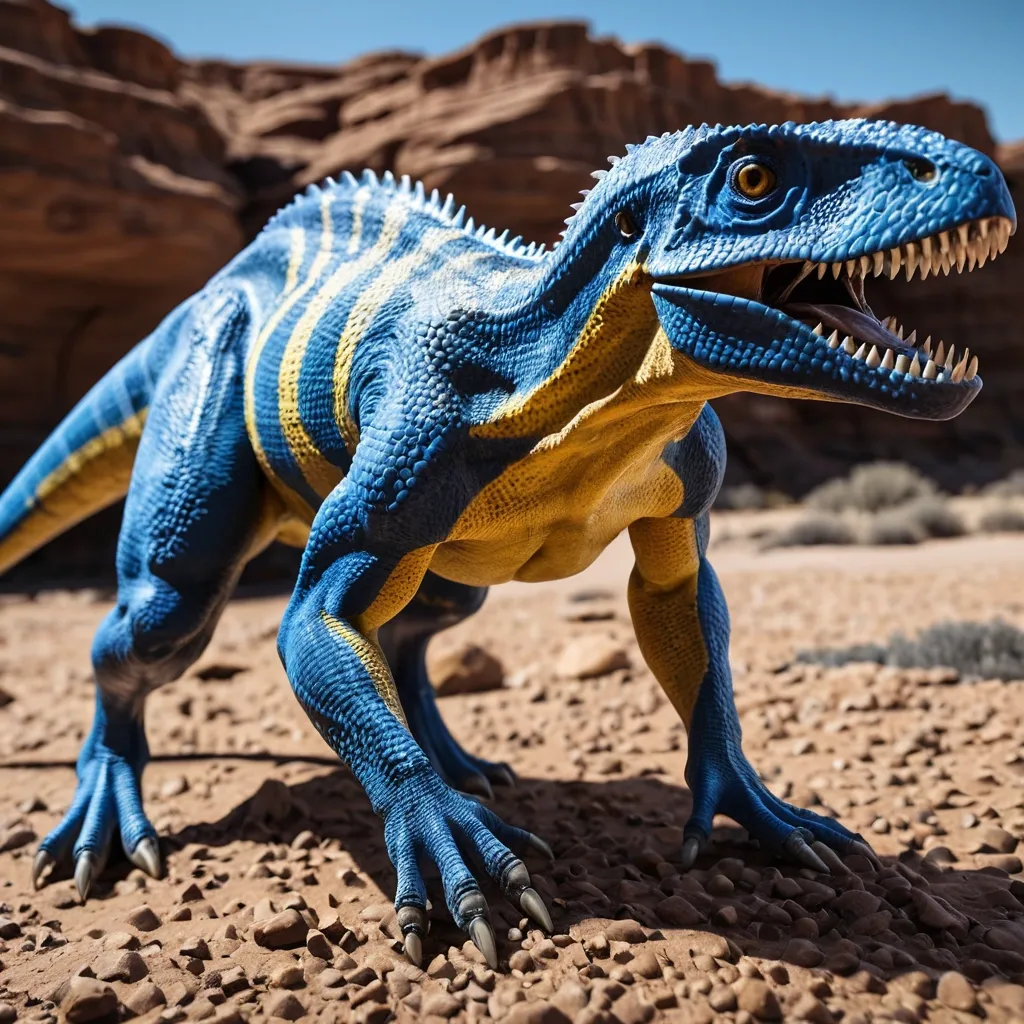
The hybrid was created by modifying the genome of a Tyrannosaurus rex , with the DNA of three other theropod species that were Utahraptor , Saurophaganax , and Giganotosaurus. Also the DNA of Quadrupes like Triceratops , and Scelidosaurus. DNA of modern animals such as Greater blue-ringed octopus , Inland Taipan , Northern Short-tailed Shrew , Komodo Dragon , Opossum , Mongoose , Gigantopithecus , Whiptail Lizard , Cuttlefish , and Tardigrades. The genome of Tyrannosaurus rex , Triceratops and Giganotosaurus was used as the base genome for the hybrid. Including the shape of the head in some parts from Giganotosaurus and Triceratops. Utahraptor DNA was added for high levels of intelligence and the ability to make plans , decisions and pack hunting. Reduced hind legs and Ape DNA added Knuckle-walking Quadruped. Triceratops , and Scelidosaurus were added to act as a biological form of armor that absorbed most of the incoming attacks. Northern short-tailed shrew , the Inland taipan's retractable fangs and the Komodo Dragon DNA was used to form the teeth of the Indominus that were used to tear through the flesh and armor of opponents. Saurophaganax and Gigantopithecus DNA added the presence of long strong arms with slashing hook claws and the use of tools. A swipe of the hybrid's claws would take down bigger opponents. While using tools for smaller elusive prey. Cuttlefish genes were intended to help the Venenosus withstand an accelerated growth , but it also added chromatophore cells in the skin so it could change the shape , color , and texture of its skin like a cuttlefish. Opossum , Mongoose and Tardigrades DNA was added for the Venenosus to be more resistant to climate changes , harmful toxins or bacterial infections , while tardigrades also added survival of extreme conditions such as exposure to extreme temperatures , extreme pressures , air deprivation , radiation , dehydration , and starvation. They have several defense mechanisms , including: A metabolic rate that gets as low as 0.01 percent of the normal rate. Organs protected by a sugary gel called trehalose. A protein that shields their DNA from radiation harm. Synthesis of cryoprotectant in chilly temperatures to prevent the development of ice crystals.Northern short-tailed shrew , the Inland Taipan , Greater blue-ringed octopus and the Komodo Dragon's DNA also added special cavities and glands in the skull that gave her infrared vision , and highly toxic saliva. Said DNA also gave her the ability to open her mandibles and jaws as wide as a snake , specifically at around 90 degrees.Lastly , DNA from a whiptail lizard was added for reproduction purposes. ,
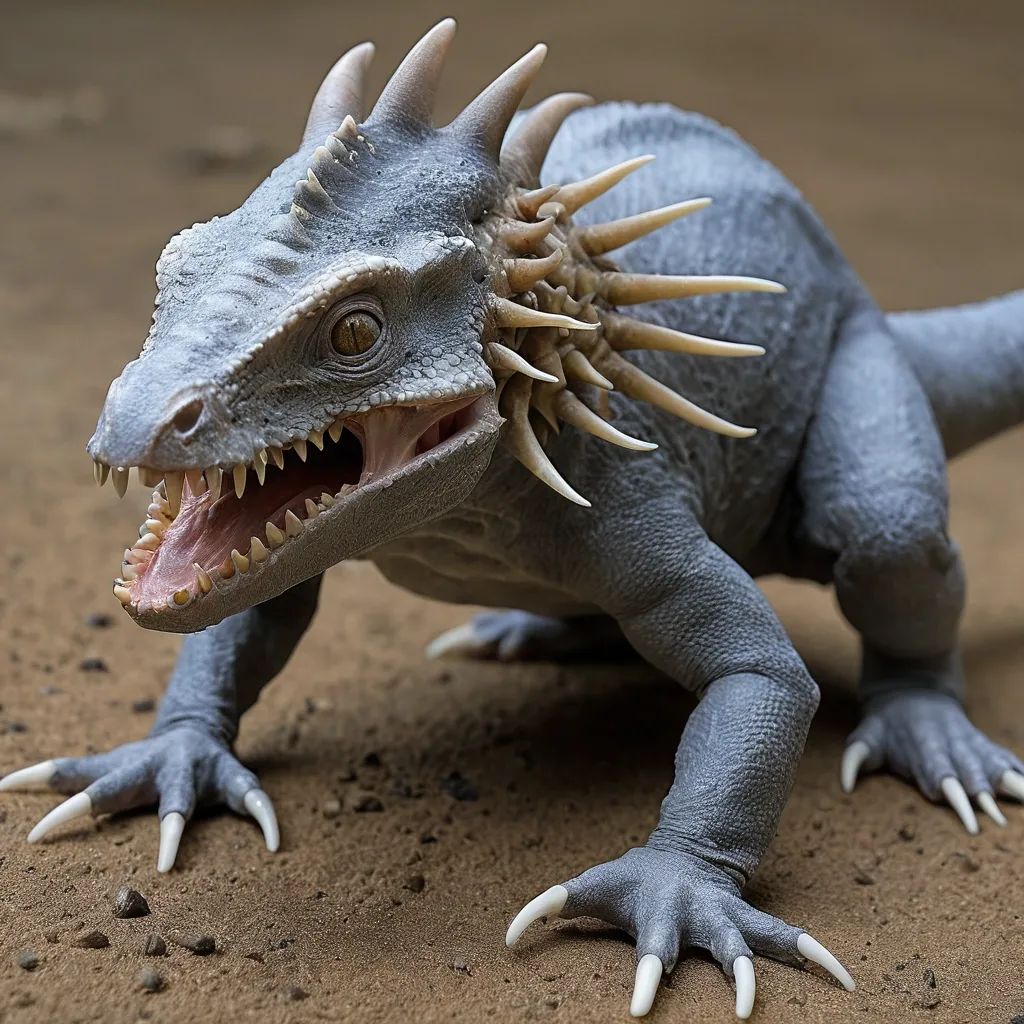
The genome of Tyrannosaurus rex , Triceratops and Giganotosaurus was used as the base genome for the hybrid. Including the shape of the head in some parts from Triceratops. Utahraptor DNA was added for high levels of intelligence and the ability to make plans , decisions and pack hunting. Reduced hind legs and Ape DNA added Knuckle-walking Quadruped. Triceratops , and Scelidosaurus were added to act as a biological form of armor that absorbed most of the incoming attacks. Northern short-tailed shrew , the Inland taipan's retractable fangs and the Komodo Dragon DNA was used to form the teeth of the Indominus that were used to tear through the flesh and armor of opponents. Saurophaganax and Gigantopithecus DNA added the presence of long strong arms with slashing hook claws and the use of tools. A swipe of the hybrid's claws would take down bigger opponents. While using tools for smaller elusive prey. Cuttlefish genes were intended to help the Venenosus withstand an accelerated growth , but it also added chromatophore cells in the skin so it could change the shape , color , and texture of its skin like a cuttlefish. Opossum , Mongoose and Tardigrades DNA was added for the Venenosus to be more resistant to climate changes , harmful toxins or bacterial infections , while tardigrades also added survival of extreme conditions such as exposure to extreme temperatures , extreme pressures , air deprivation , radiation , dehydration , and starvation. They have several defense mechanisms , including: A metabolic rate that gets as low as 0.01 percent of the normal rate. Organs protected by a sugary gel called trehalose. A protein that shields their DNA from radiation harm. Synthesis of cryoprotectant in chilly temperatures to prevent the development of ice crystals.Northern short-tailed shrew , the Inland Taipan , Greater blue-ringed octopus and the Komodo Dragon's DNA also added special cavities and glands in the skull that gave her infrared vision , and highly toxic saliva. Said DNA also gave her the ability to open her mandibles and jaws as wide as a snake , specifically at around 90 degrees.Lastly , DNA from a whiptail lizard was added for reproduction purposes. ,
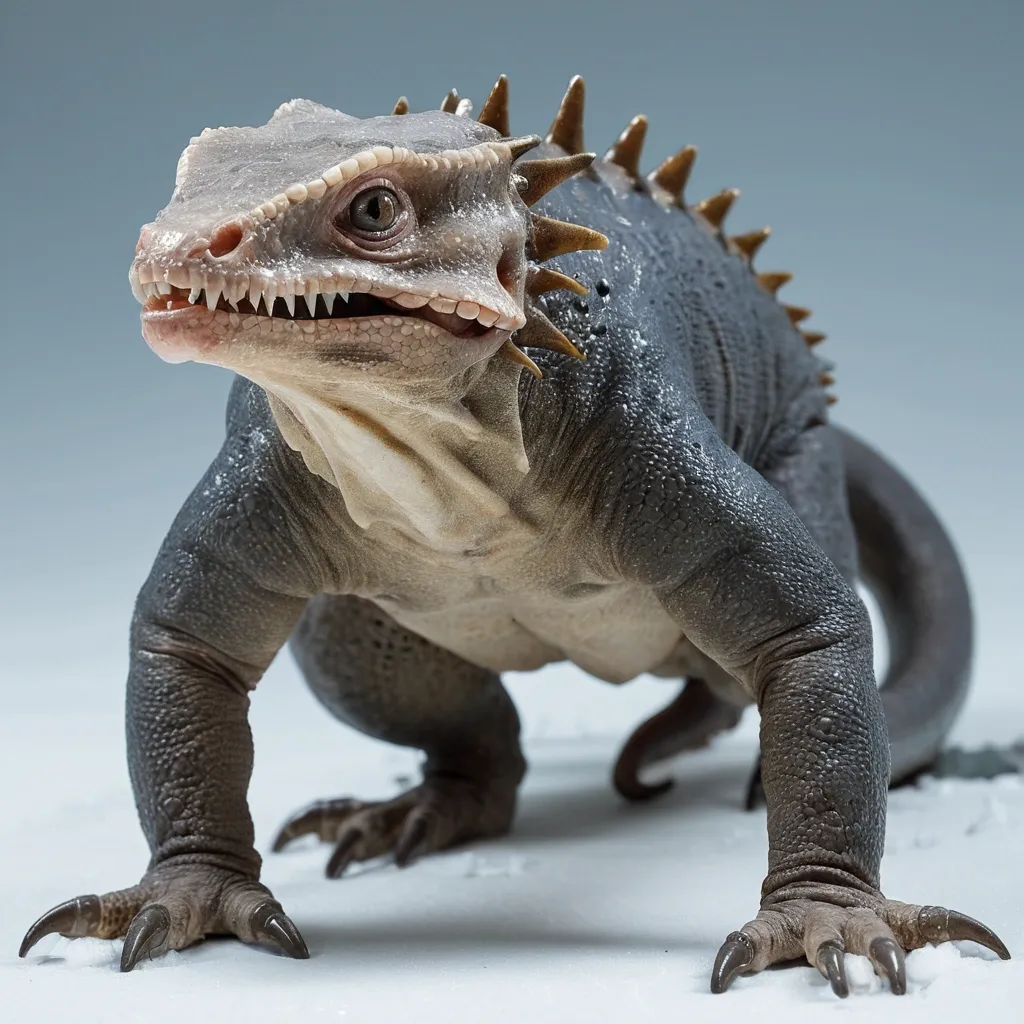
The genome of Tyrannosaurus rex , Triceratops and Giganotosaurus was used as the base genome for the hybrid. Including the shape of the head in some parts from Triceratops. Utahraptor DNA was added for high levels of intelligence and the ability to make plans , decisions and pack hunting. Reduced hind legs and Ape DNA added Knuckle-walking Quadruped. Triceratops , and Scelidosaurus were added to act as a biological form of armor that absorbed most of the incoming attacks. Northern short-tailed shrew , the Inland taipan's retractable fangs and the Komodo Dragon DNA was used to form the teeth of the Indominus that were used to tear through the flesh and armor of opponents. Saurophaganax and Gigantopithecus DNA added the presence of long strong arms with slashing hook claws and the use of tools. A swipe of the hybrid's claws would take down bigger opponents. While using tools for smaller elusive prey. Cuttlefish genes were intended to help the Venenosus withstand an accelerated growth , but it also added chromatophore cells in the skin so it could change the shape , color , and texture of its skin like a cuttlefish. Opossum , Mongoose and Tardigrades DNA was added for the Venenosus to be more resistant to climate changes , harmful toxins or bacterial infections , while tardigrades also added survival of extreme conditions such as exposure to extreme temperatures , extreme pressures , air deprivation , radiation , dehydration , and starvation. They have several defense mechanisms , including: A metabolic rate that gets as low as 0.01 percent of the normal rate. Organs protected by a sugary gel called trehalose. A protein that shields their DNA from radiation harm. Synthesis of cryoprotectant in chilly temperatures to prevent the development of ice crystals.Northern short-tailed shrew , the Inland Taipan , Greater blue-ringed octopus and the Komodo Dragon's DNA also added special cavities and glands in the skull that gave her infrared vision , and highly toxic saliva. Said DNA also gave her the ability to open her mandibles and jaws as wide as a snake , specifically at around 90 degrees.Lastly , DNA from a whiptail lizard was added for reproduction purposes. ,
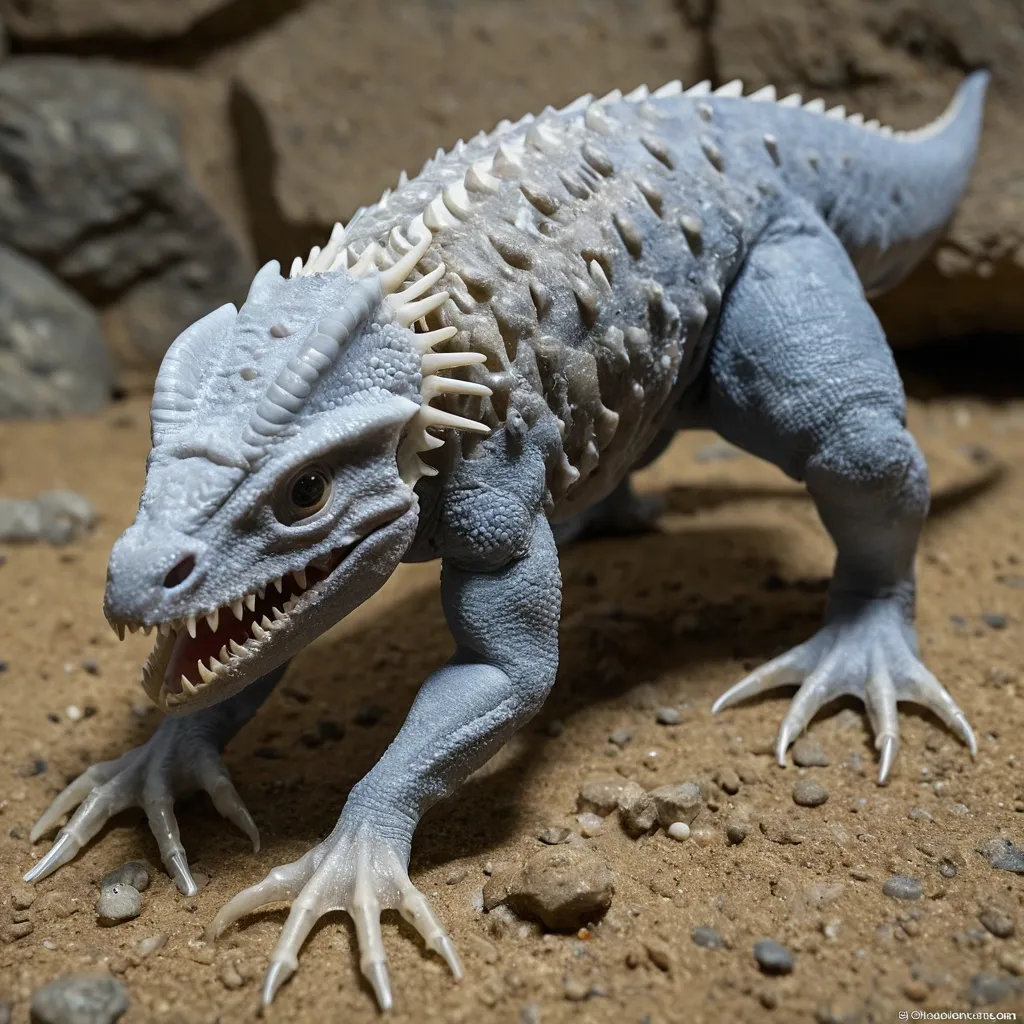
The genome of Tyrannosaurus rex , Triceratops and Giganotosaurus was used as the base genome for the hybrid. Including the shape of the head in some parts from Triceratops. Utahraptor DNA was added for high levels of intelligence and the ability to make plans , decisions and pack hunting. Reduced hind legs and Ape DNA added Knuckle-walking Quadruped. Triceratops , and Scelidosaurus were added to act as a biological form of armor that absorbed most of the incoming attacks. Northern short-tailed shrew , the Inland taipan's retractable fangs and the Komodo Dragon DNA was used to form the teeth of the Indominus that were used to tear through the flesh and armor of opponents. Saurophaganax and Gigantopithecus DNA added the presence of long strong arms with slashing hook claws and the use of tools. A swipe of the hybrid's claws would take down bigger opponents. While using tools for smaller elusive prey. Cuttlefish genes were intended to help the Venenosus withstand an accelerated growth , but it also added chromatophore cells in the skin so it could change the shape , color , and texture of its skin like a cuttlefish. Opossum , Mongoose and Tardigrades DNA was added for the Venenosus to be more resistant to climate changes , harmful toxins or bacterial infections , while tardigrades also added survival of extreme conditions such as exposure to extreme temperatures , extreme pressures , air deprivation , radiation , dehydration , and starvation. They have several defense mechanisms , including: A metabolic rate that gets as low as 0.01 percent of the normal rate. Organs protected by a sugary gel called trehalose. A protein that shields their DNA from radiation harm. Synthesis of cryoprotectant in chilly temperatures to prevent the development of ice crystals.Northern short-tailed shrew , the Inland Taipan , Greater blue-ringed octopus and the Komodo Dragon's DNA also added special cavities and glands in the skull that gave her infrared vision , and highly toxic saliva. Said DNA also gave her the ability to open her mandibles and jaws as wide as a snake , specifically at around 90 degrees.Lastly , DNA from a whiptail lizard was added for reproduction purposes. ,
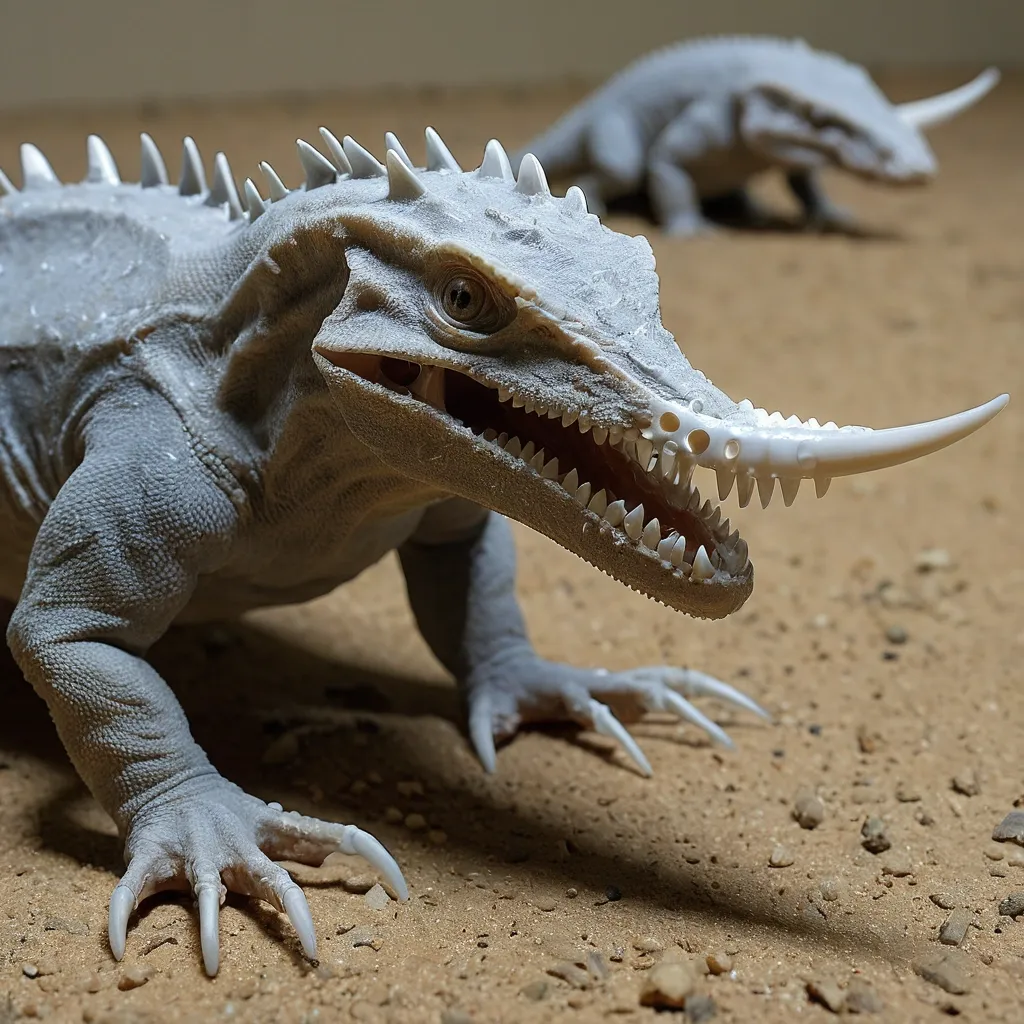
The genome of Tyrannosaurus rex , Triceratops and Giganotosaurus was used as the base genome for the hybrid. Including the shape of the head in some parts from Triceratops. Utahraptor DNA was added for high levels of intelligence and the ability to make plans , decisions and pack hunting. Reduced hind legs and Ape DNA added Knuckle-walking Quadruped. Triceratops , and Scelidosaurus were added to act as a biological form of armor that absorbed most of the incoming attacks. Northern short-tailed shrew , the Inland taipan's retractable fangs and the Komodo Dragon DNA was used to form the teeth of the Indominus that were used to tear through the flesh and armor of opponents. Saurophaganax and Gigantopithecus DNA added the presence of long strong arms with slashing hook claws and the use of tools. A swipe of the hybrid's claws would take down bigger opponents. While using tools for smaller elusive prey. Cuttlefish genes were intended to help the Venenosus withstand an accelerated growth , but it also added chromatophore cells in the skin so it could change the shape , color , and texture of its skin like a cuttlefish. Opossum , Mongoose and Tardigrades DNA was added for the Venenosus to be more resistant to climate changes , harmful toxins or bacterial infections , while tardigrades also added survival of extreme conditions such as exposure to extreme temperatures , extreme pressures , air deprivation , radiation , dehydration , and starvation. They have several defense mechanisms , including: A metabolic rate that gets as low as 0.01 percent of the normal rate. Organs protected by a sugary gel called trehalose. A protein that shields their DNA from radiation harm. Synthesis of cryoprotectant in chilly temperatures to prevent the development of ice crystals.Northern short-tailed shrew , the Inland Taipan , Greater blue-ringed octopus and the Komodo Dragon's DNA also added special cavities and glands in the skull that gave her infrared vision , and highly toxic saliva. Said DNA also gave her the ability to open her mandibles and jaws as wide as a snake , specifically at around 90 degrees.Lastly , DNA from a whiptail lizard was added for reproduction purposes. ,
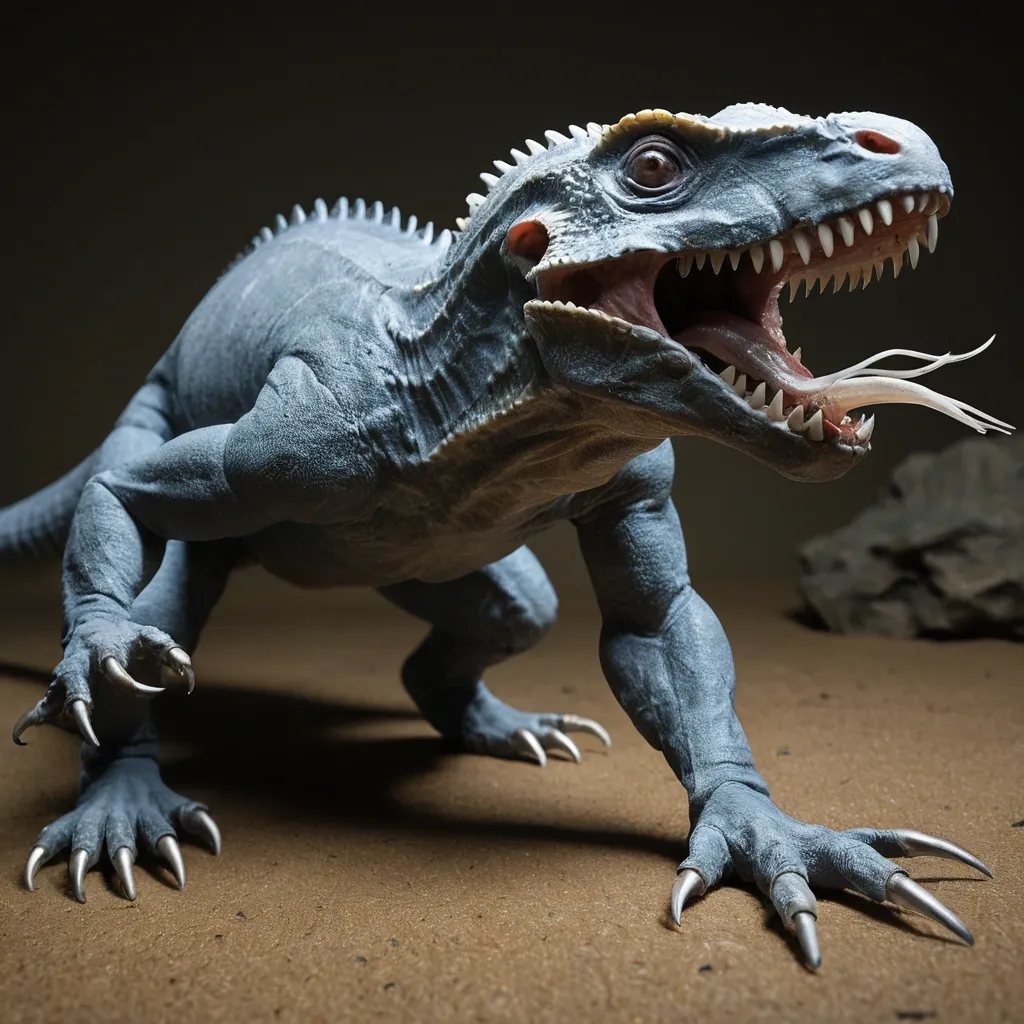
The genome of Tyrannosaurus rex , Triceratops and Giganotosaurus was used as the base genome for the hybrid. Including the shape of the head in some parts from Giganotosaurus and Triceratops. It also gave the Indominus rex an incredibly strong bite that could crush bulletproof glass. Utahraptor DNA was added for high levels of intelligence and the ability to make plans , decisions and pack hunting. Reduced hind legs and Ape DNA added Knuckle-walking Quadruped. Triceratops , and Scelidosaurus were added to act as a biological form of armor that absorbed most of the incoming attacks. Northern short-tailed shrew , the Inland taipan's retractable fangs and the Komodo Dragon DNA was used to form the teeth of the Indominus that were used to tear through the flesh and armor of opponents. Saurophaganax and Gigantopithecus DNA added the presence of long strong arms with slashing hook claws and the use of tools. A swipe of the hybrid's claws would take down bigger opponents. While using tools for smaller elusive prey. Cuttlefish genes were intended to help the Venenosus withstand an accelerated growth , but it also added chromatophore cells in the skin so it could change the shape , color , and texture of its skin like a cuttlefish. Opossum , Mongoose and Tardigrades DNA was added for the Venenosus to be more resistant to climate changes , harmful toxins or bacterial infections , while tardigrades also added survival of extreme conditions such as exposure to extreme temperatures , extreme pressures , air deprivation , radiation , dehydration , and starvation. They have several defense mechanisms , including: A metabolic rate that gets as low as 0.01 percent of the normal rate. Organs protected by a sugary gel called trehalose. A protein that shields their DNA from radiation harm. Synthesis of cryoprotectant in chilly temperatures to prevent the development of ice crystals.Northern short-tailed shrew , the Inland Taipan , Greater blue-ringed octopus and the Komodo Dragon's DNA also added special cavities and glands in the skull that gave her infrared vision , and highly toxic saliva. Said DNA also gave her the ability to open her mandibles and jaws as wide as a snake , specifically at around 90 degrees.Lastly , DNA from a whiptail lizard was added for reproduction purposes. ,
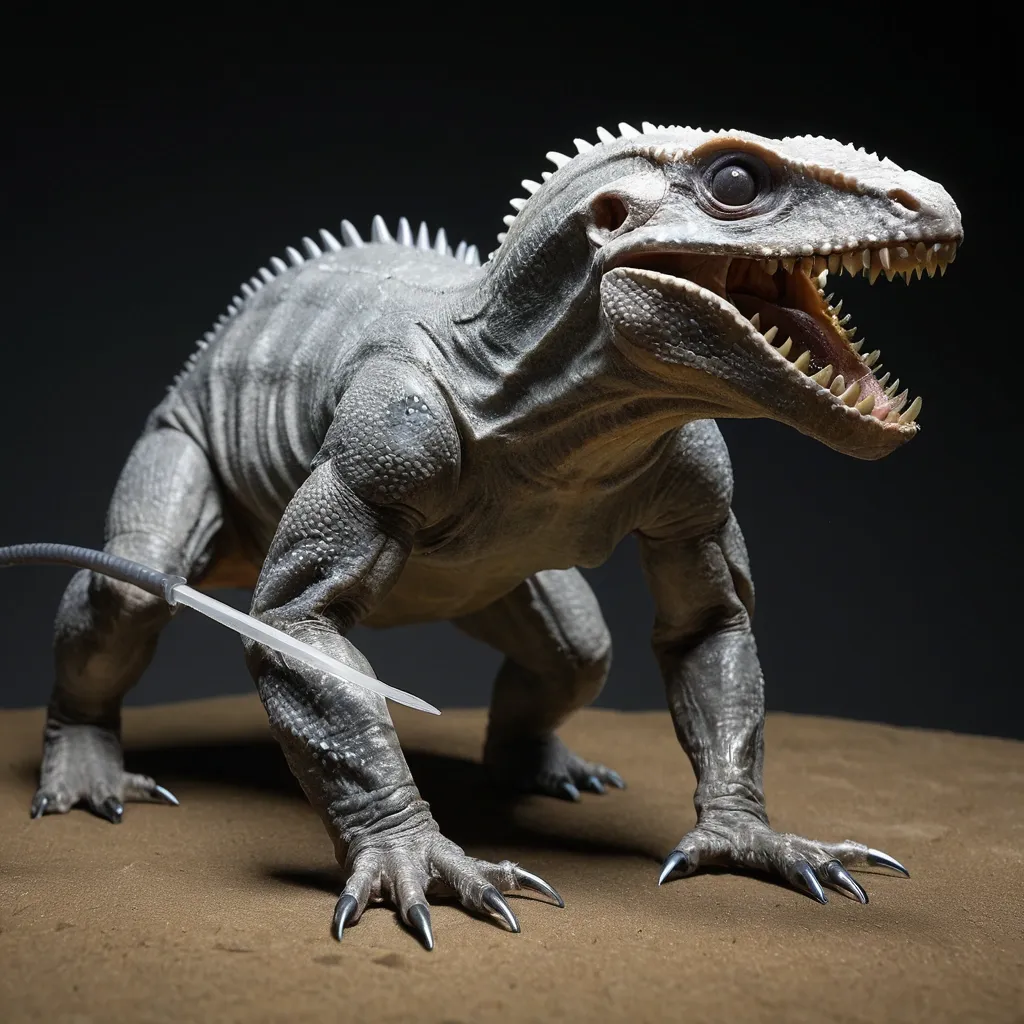
The genome of Tyrannosaurus rex , Triceratops and Giganotosaurus was used as the base genome for the hybrid. Including the shape of the head in some parts from Giganotosaurus and Triceratops. It also gave the Indominus rex an incredibly strong bite that could crush bulletproof glass. Utahraptor DNA was added for high levels of intelligence and the ability to make plans , decisions and pack hunting. Reduced hind legs and Ape DNA added Knuckle-walking Quadruped. Triceratops , and Scelidosaurus were added to act as a biological form of armor that absorbed most of the incoming attacks. Northern short-tailed shrew , the Inland taipan's retractable fangs and the Komodo Dragon DNA was used to form the teeth of the Indominus that were used to tear through the flesh and armor of opponents. Saurophaganax and Gigantopithecus DNA added the presence of long strong arms with slashing hook claws and the use of tools. A swipe of the hybrid's claws would take down bigger opponents. While using tools for smaller elusive prey. Cuttlefish genes were intended to help the Venenosus withstand an accelerated growth , but it also added chromatophore cells in the skin so it could change the shape , color , and texture of its skin like a cuttlefish. Opossum , Mongoose and Tardigrades DNA was added for the Venenosus to be more resistant to climate changes , harmful toxins or bacterial infections , while tardigrades also added survival of extreme conditions such as exposure to extreme temperatures , extreme pressures , air deprivation , radiation , dehydration , and starvation. They have several defense mechanisms , including: A metabolic rate that gets as low as 0.01 percent of the normal rate. Organs protected by a sugary gel called trehalose. A protein that shields their DNA from radiation harm. Synthesis of cryoprotectant in chilly temperatures to prevent the development of ice crystals.Northern short-tailed shrew , the Inland Taipan , Greater blue-ringed octopus and the Komodo Dragon's DNA also added special cavities and glands in the skull that gave her infrared vision , and highly toxic saliva. Said DNA also gave her the ability to open her mandibles and jaws as wide as a snake , specifically at around 90 degrees.Lastly , DNA from a whiptail lizard was added for reproduction purposes. ,
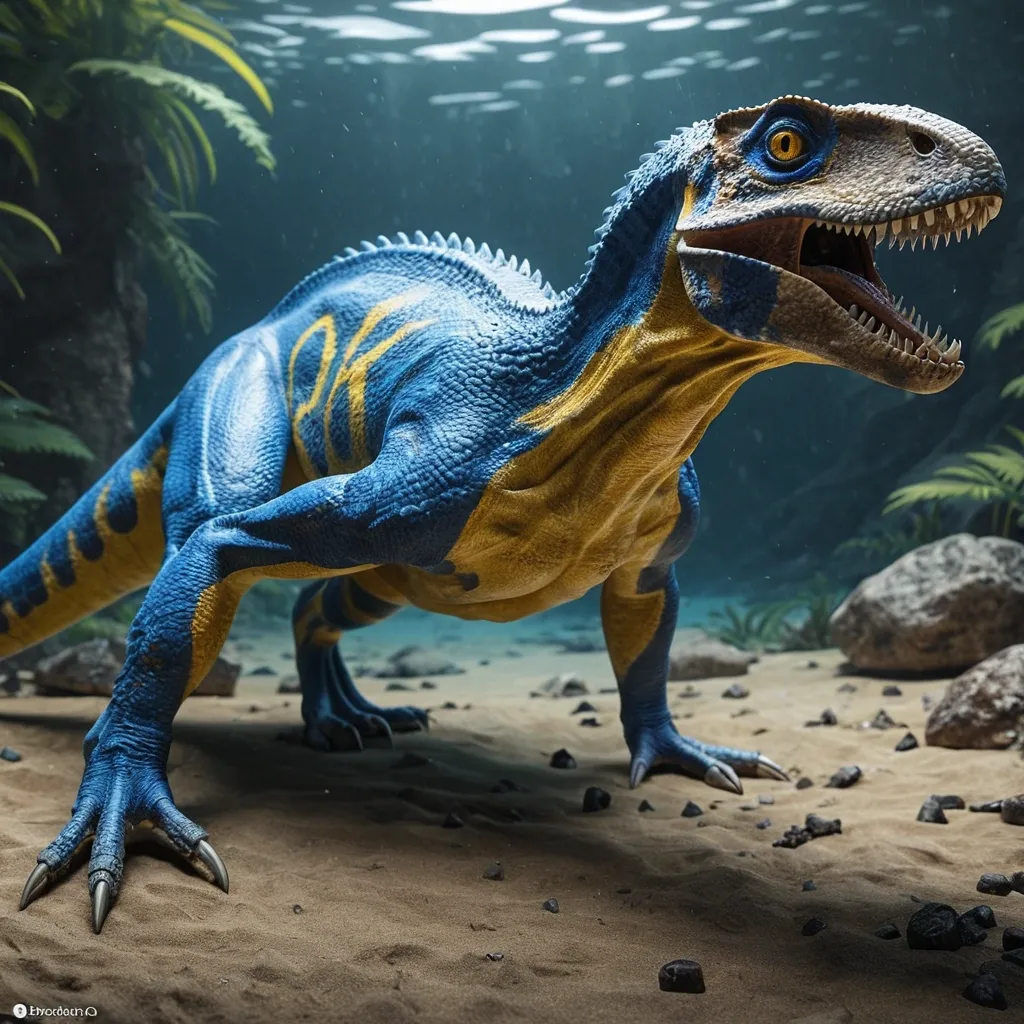
The hybrid was created by modifying the genome of a Tyrannosaurus rex , with the DNA of three other theropod species that were Utahraptor , Saurophaganax , and Giganotosaurus. Also the DNA of Quadrupes like Triceratops , and Scelidosaurus. DNA of modern animals such as Greater blue-ringed octopus , Inland Taipan , Northern Short-tailed Shrew , Komodo Dragon , Opossum , Mongoose , Gigantopithecus , Whiptail Lizard , Cuttlefish , and Tardigrades. The genome of Tyrannosaurus rex , Triceratops and Giganotosaurus was used as the base genome for the hybrid. Including the shape of the head in some parts from Giganotosaurus and Triceratops. It also gave the Indominus rex an incredibly strong bite that could crush bulletproof glass. Utahraptor DNA was added for high levels of intelligence and the ability to make plans , decisions and pack hunting. Reduced hind legs and Ape DNA added Knuckle-walking Quadruped. Triceratops , and Scelidosaurus were added to act as a biological form of armor that absorbed most of the incoming attacks. Northern short-tailed shrew , the Inland taipan's retractable fangs and the Komodo Dragon DNA was used to form the teeth of the Indominus that were used to tear through the flesh and armor of opponents. Saurophaganax and Gigantopithecus DNA added the presence of long strong arms with slashing hook claws and the use of tools. A swipe of the hybrid's claws would take down bigger opponents. While using tools for smaller elusive prey. Cuttlefish genes were intended to help the Venenosus withstand an accelerated growth , but it also added chromatophore cells in the skin so it could change the shape , color , and texture of its skin like a cuttlefish. Opossum , Mongoose and Tardigrades DNA was added for the Venenosus to be more resistant to climate changes , harmful toxins or bacterial infections , while tardigrades also added survival of extreme conditions such as exposure to extreme temperatures , extreme pressures , air deprivation , radiation , dehydration , and starvation. They have several defense mechanisms , including: A metabolic rate that gets as low as 0.01 percent of the normal rate. Organs protected by a sugary gel called trehalose. A protein that shields their DNA from radiation harm. Synthesis of cryoprotectant in chilly temperatures to prevent the development of ice crystals.Northern short-tailed shrew , the Inland Taipan , Greater blue-ringed octopus and the Komodo Dragon's DNA also added special cavities and glands in the skull that gave her infrared vision , and highly toxic saliva. Said DNA also gave her the ability to open her mandibles and jaws as wide as a snake , specifically at around 90 degrees.Lastly , DNA from a whiptail lizard was added for reproduction purposes. ,
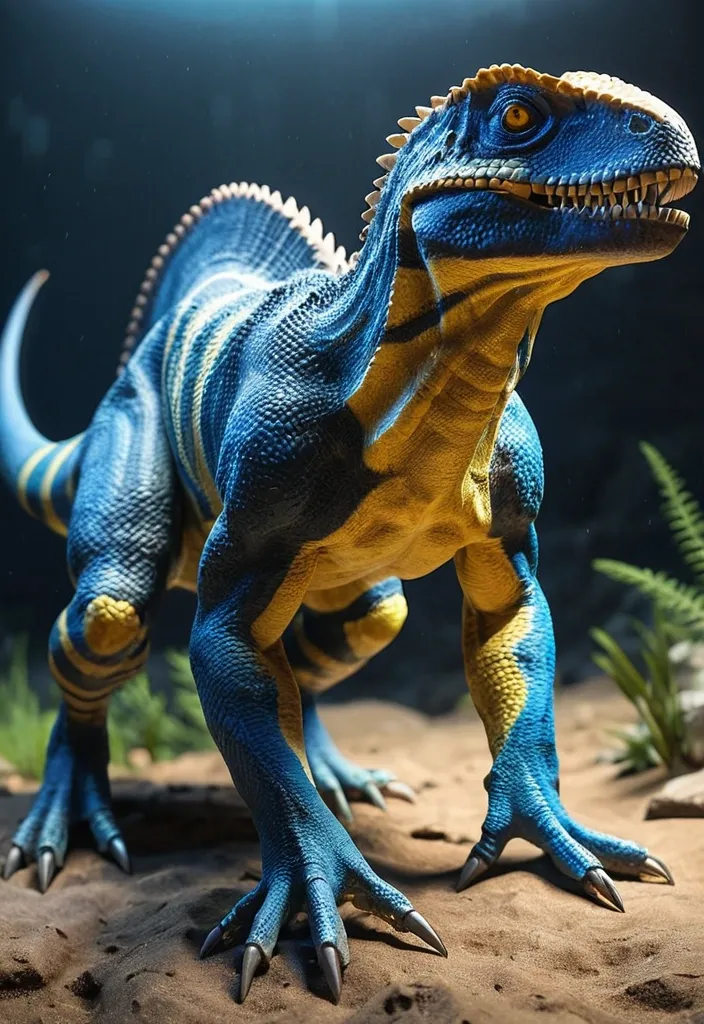
The hybrid was created by modifying the genome of a Tyrannosaurus rex , with the DNA of three other theropod species that were Utahraptor , Saurophaganax , and Giganotosaurus. Also the DNA of Quadrupes like Triceratops , and Scelidosaurus. DNA of modern animals such as Greater blue-ringed octopus , Inland Taipan , Northern Short-tailed Shrew , Komodo Dragon , Opossum , Mongoose , Gigantopithecus , Whiptail Lizard , Cuttlefish , and Tardigrades. The genome of Tyrannosaurus rex , Triceratops and Giganotosaurus was used as the base genome for the hybrid. Including the shape of the head in some parts from Giganotosaurus and Triceratops. It also gave the Indominus rex an incredibly strong bite that could crush bulletproof glass. Utahraptor DNA was added for high levels of intelligence and the ability to make plans , decisions and pack hunting. Reduced hind legs and Ape DNA added Knuckle-walking Quadruped. Triceratops , and Scelidosaurus were added to act as a biological form of armor that absorbed most of the incoming attacks. Northern short-tailed shrew , the Inland taipan's retractable fangs and the Komodo Dragon DNA was used to form the teeth of the Indominus that were used to tear through the flesh and armor of opponents. Saurophaganax and Gigantopithecus DNA added the presence of long strong arms with slashing hook claws and the use of tools. A swipe of the hybrid's claws would take down bigger opponents. While using tools for smaller elusive prey. Cuttlefish genes were intended to help the Venenosus withstand an accelerated growth , but it also added chromatophore cells in the skin so it could change the shape , color , and texture of its skin like a cuttlefish. Opossum , Mongoose and Tardigrades DNA was added for the Venenosus to be more resistant to climate changes , harmful toxins or bacterial infections , while tardigrades also added survival of extreme conditions such as exposure to extreme temperatures , extreme pressures , air deprivation , radiation , dehydration , and starvation. They have several defense mechanisms , including: A metabolic rate that gets as low as 0.01 percent of the normal rate. Organs protected by a sugary gel called trehalose. A protein that shields their DNA from radiation harm. Synthesis of cryoprotectant in chilly temperatures to prevent the development of ice crystals.Northern short-tailed shrew , the Inland Taipan , Greater blue-ringed octopus and the Komodo Dragon's DNA also added special cavities and glands in the skull that gave her infrared vision , and highly toxic saliva. Said DNA also gave her the ability to open her mandibles and jaws as wide as a snake , specifically at around 90 degrees.Lastly , DNA from a whiptail lizard was added for reproduction purposes. ,
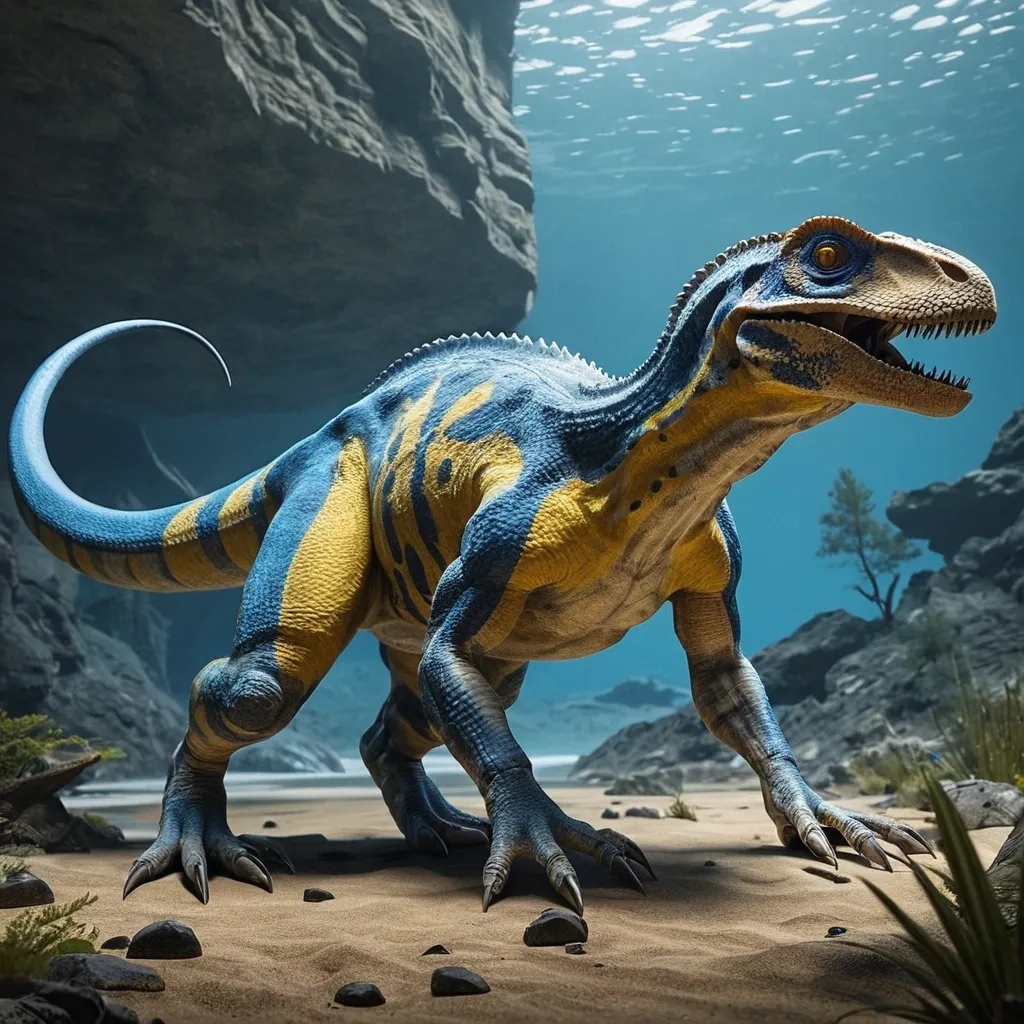
The hybrid was created by modifying the genome of a Tyrannosaurus rex , with the DNA of three other theropod species that were Utahraptor , Saurophaganax , and Giganotosaurus. Also the DNA of Quadrupes like Triceratops , and Scelidosaurus. DNA of modern animals such as Greater blue-ringed octopus , Inland Taipan , Northern Short-tailed Shrew , Komodo Dragon , Opossum , Mongoose , Gigantopithecus , Whiptail Lizard , Cuttlefish , and Tardigrades. The genome of Tyrannosaurus rex , Triceratops and Giganotosaurus was used as the base genome for the hybrid. Including the shape of the head in some parts from Giganotosaurus and Triceratops. It also gave the Indominus rex an incredibly strong bite that could crush bulletproof glass. Utahraptor DNA was added for high levels of intelligence and the ability to make plans , decisions and pack hunting. Reduced hind legs and Ape DNA added Knuckle-walking Quadruped. Triceratops , and Scelidosaurus were added to act as a biological form of armor that absorbed most of the incoming attacks. Northern short-tailed shrew , the Inland taipan's retractable fangs and the Komodo Dragon DNA was used to form the teeth of the Indominus that were used to tear through the flesh and armor of opponents. Saurophaganax and Gigantopithecus DNA added the presence of long strong arms with slashing hook claws and the use of tools. A swipe of the hybrid's claws would take down bigger opponents. While using tools for smaller elusive prey. Cuttlefish genes were intended to help the Venenosus withstand an accelerated growth , but it also added chromatophore cells in the skin so it could change the shape , color , and texture of its skin like a cuttlefish. Opossum , Mongoose and Tardigrades DNA was added for the Venenosus to be more resistant to climate changes , harmful toxins or bacterial infections , while tardigrades also added survival of extreme conditions such as exposure to extreme temperatures , extreme pressures , air deprivation , radiation , dehydration , and starvation. They have several defense mechanisms , including: A metabolic rate that gets as low as 0.01 percent of the normal rate. Organs protected by a sugary gel called trehalose. A protein that shields their DNA from radiation harm. Synthesis of cryoprotectant in chilly temperatures to prevent the development of ice crystals.Northern short-tailed shrew , the Inland Taipan , Greater blue-ringed octopus and the Komodo Dragon's DNA also added special cavities and glands in the skull that gave her infrared vision , and highly toxic saliva. Said DNA also gave her the ability to open her mandibles and jaws as wide as a snake , specifically at around 90 degrees.Lastly , DNA from a whiptail lizard was added for reproduction purposes. ,
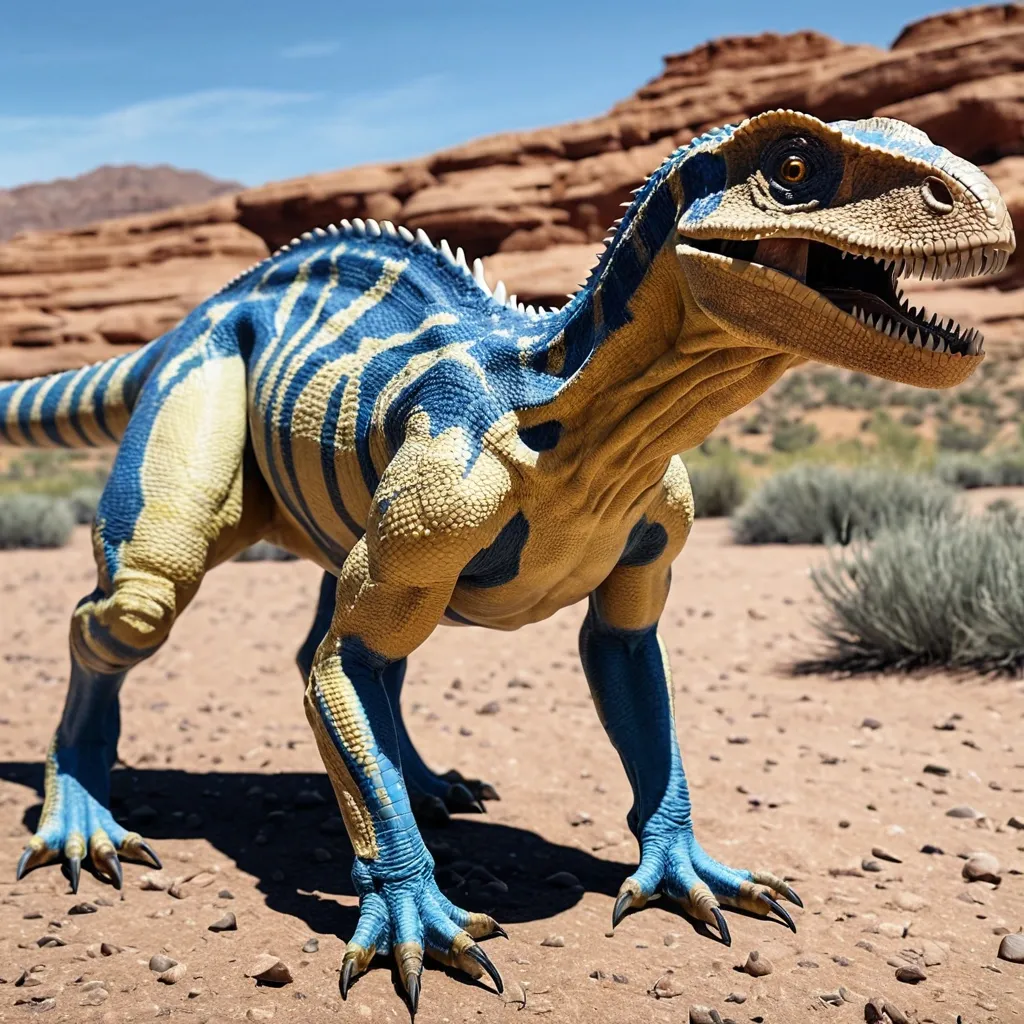
The hybrid was created by modifying the genome of a Tyrannosaurus rex , with the DNA of three other theropod species that were Utahraptor , Saurophaganax , and Giganotosaurus. Also the DNA of Quadrupes like Triceratops , and Scelidosaurus. DNA of modern animals such as Greater blue-ringed octopus , Inland Taipan , Northern Short-tailed Shrew , Komodo Dragon , Opossum , Mongoose , Gigantopithecus , Whiptail Lizard , Cuttlefish , and Tardigrades. The genome of Tyrannosaurus rex , Triceratops and Giganotosaurus was used as the base genome for the hybrid. Including the shape of the head in some parts from Giganotosaurus and Triceratops. It also gave the Indominus rex an incredibly strong bite that could crush bulletproof glass. Utahraptor DNA was added for high levels of intelligence and the ability to make plans , decisions and pack hunting. Reduced hind legs and Ape DNA added Knuckle-walking Quadruped. Triceratops , and Scelidosaurus were added to act as a biological form of armor that absorbed most of the incoming attacks. Northern short-tailed shrew , the Inland taipan's retractable fangs and the Komodo Dragon DNA was used to form the teeth of the Indominus that were used to tear through the flesh and armor of opponents. Saurophaganax and Gigantopithecus DNA added the presence of long strong arms with slashing hook claws and the use of tools. A swipe of the hybrid's claws would take down bigger opponents. While using tools for smaller elusive prey. Cuttlefish genes were intended to help the Venenosus withstand an accelerated growth , but it also added chromatophore cells in the skin so it could change the shape , color , and texture of its skin like a cuttlefish. Opossum , Mongoose and Tardigrades DNA was added for the Venenosus to be more resistant to climate changes , harmful toxins or bacterial infections , while tardigrades also added survival of extreme conditions such as exposure to extreme temperatures , extreme pressures , air deprivation , radiation , dehydration , and starvation. They have several defense mechanisms , including: A metabolic rate that gets as low as 0.01 percent of the normal rate. Organs protected by a sugary gel called trehalose. A protein that shields their DNA from radiation harm. Synthesis of cryoprotectant in chilly temperatures to prevent the development of ice crystals.Northern short-tailed shrew , the Inland Taipan , Greater blue-ringed octopus and the Komodo Dragon's DNA also added special cavities and glands in the skull that gave her infrared vision , and highly toxic saliva. Said DNA also gave her the ability to open her mandibles and jaws as wide as a snake , specifically at around 90 degrees.Lastly , DNA from a whiptail lizard was added for reproduction purposes. ,
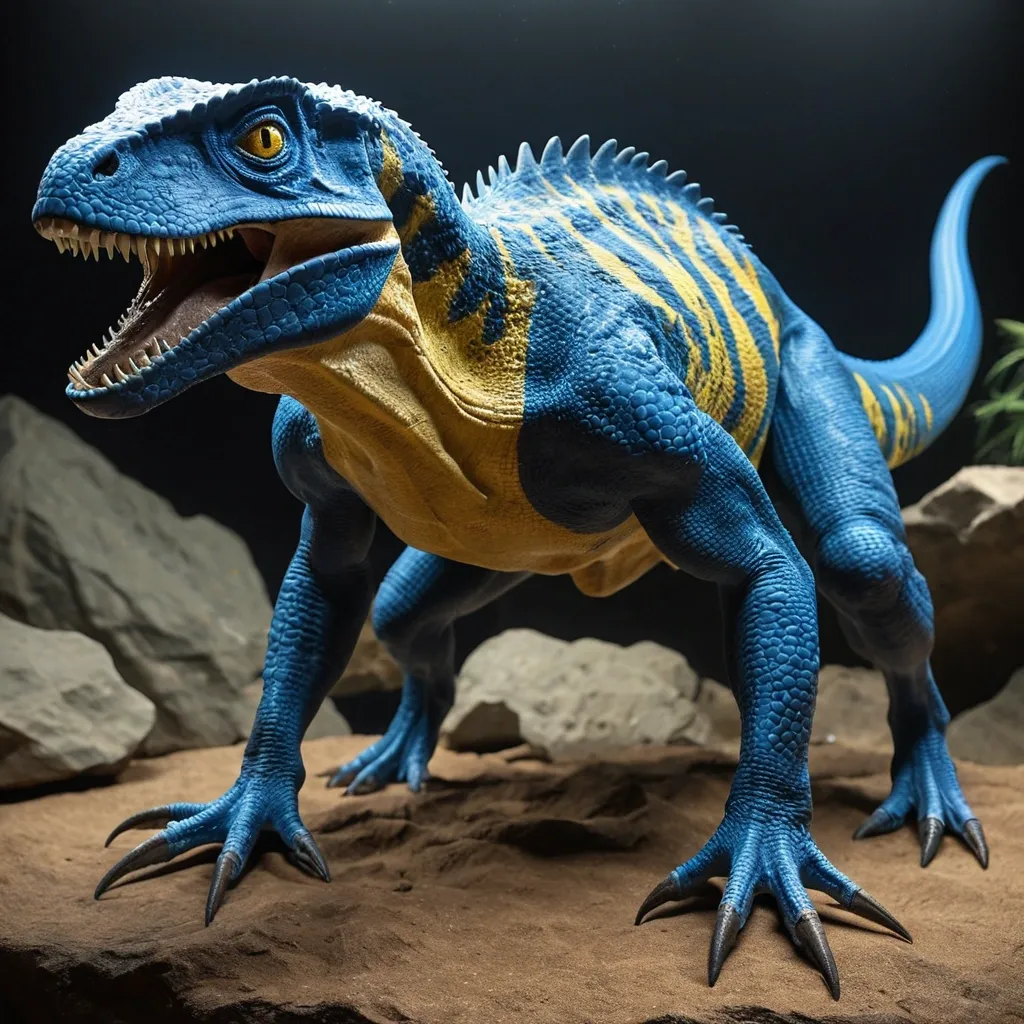
The hybrid was created by modifying the genome of a Tyrannosaurus rex , with the DNA of three other theropod species that were Utahraptor , Saurophaganax , and Giganotosaurus. Also the DNA of Quadrupes like Triceratops , and Scelidosaurus. DNA of modern animals such as Greater blue-ringed octopus , Inland Taipan , Northern Short-tailed Shrew , Komodo Dragon , Opossum , Mongoose , Ape , Whiptail Lizard , Cuttlefish , and Tardigrades. The genome of Tyrannosaurus rex , Triceratops and Giganotosaurus was used as the base genome for the hybrid. Including the shape of the head in some parts from Giganotosaurus and Triceratops. It also gave the Indominus rex an incredibly strong bite that could crush bulletproof glass. Utahraptor DNA was added for high levels of intelligence and the ability to make plans , decisions and pack hunting. Reduced hind legs and Ape DNA added Knuckle-walking Quadruped. Triceratops , and Scelidosaurus were added to act as a biological form of armor that absorbed most of the incoming attacks. Northern short-tailed shrew , the Inland taipan's retractable fangs and the Komodo Dragon DNA was used to form the teeth of the Indominus that were used to tear through the flesh and armor of opponents. Saurophaganax and Gigantopithecus DNA added the presence of long strong arms with slashing hook claws and the use of tools. A swipe of the hybrid's claws would take down bigger opponents. While using tools for smaller elusive prey. Cuttlefish genes were intended to help the Venenosus withstand an accelerated growth , but it also added chromatophore cells in the skin so it could change the shape , color , and texture of its skin like a cuttlefish. Opossum , Mongoose and Tardigrades DNA was added for the Venenosus to be more resistant to climate changes , harmful toxins or bacterial infections , while tardigrades also added survival of extreme conditions such as exposure to extreme temperatures , extreme pressures , air deprivation , radiation , dehydration , and starvation. They have several defense mechanisms , including: A metabolic rate that gets as low as 0.01 percent of the normal rate. Organs protected by a sugary gel called trehalose. A protein that shields their DNA from radiation harm. Synthesis of cryoprotectant in chilly temperatures to prevent the development of ice crystals.Northern short-tailed shrew , the Inland Taipan , Greater blue-ringed octopus and the Komodo Dragon's DNA also added special cavities and glands in the skull that gave her infrared vision , and highly toxic saliva. Said DNA also gave her the ability to open her mandibles and jaws as wide as a snake , specifically at around 90 degrees.Lastly , DNA from a whiptail lizard was added for reproduction purposes. ,
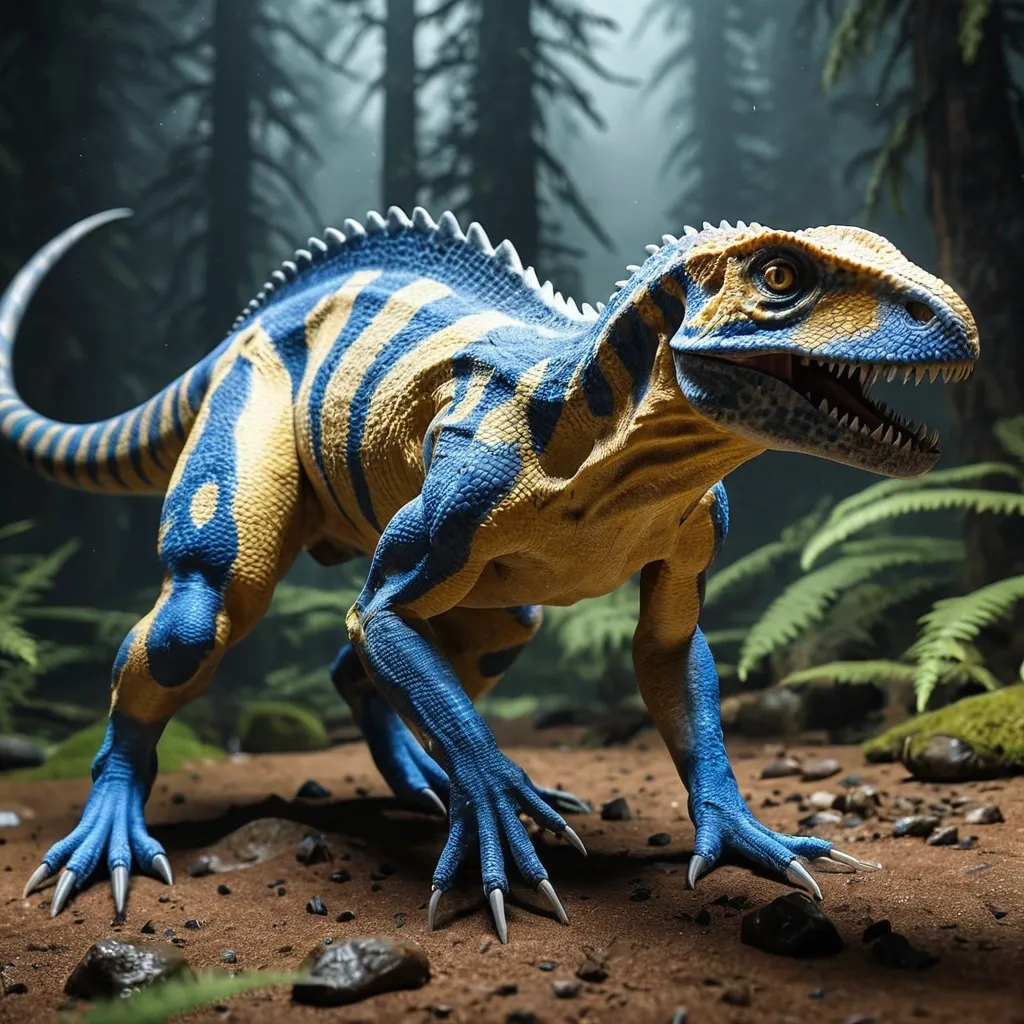
The hybrid was created by modifying the genome of a Tyrannosaurus rex , with the DNA of three other theropod species that were Utahraptor , Saurophaganax , and Giganotosaurus. Also the DNA of Quadrupes like Triceratops , and Scelidosaurus. DNA of modern animals such as Greater blue-ringed octopus , Inland Taipan , Northern Short-tailed Shrew , Komodo Dragon , Opossum , Mongoose , Ape , Whiptail Lizard , Cuttlefish , and Tardigrades. The genome of Tyrannosaurus rex , Triceratops and Giganotosaurus was used as the base genome for the hybrid. Including the shape of the head in some parts from Giganotosaurus and Triceratops. It also gave the Indominus rex an incredibly strong bite that could crush bulletproof glass. Utahraptor DNA was added for high levels of intelligence and the ability to make plans , decisions and pack hunting. Reduced hind legs and Ape DNA added Knuckle-walking Quadruped. Triceratops , and Scelidosaurus were added to act as a biological form of armor that absorbed most of the incoming attacks. Northern short-tailed shrew , the Inland taipan's retractable fangs and the Komodo Dragon DNA was used to form the teeth of the Indominus that were used to tear through the flesh and armor of opponents. Saurophaganax and Ape DNA added the presence of long strong arms with slashing hook claws and the use of tools. A swipe of the hybrid's claws would take down bigger opponents. While using tools for smaller elusive prey. Cuttlefish genes were intended to help the Venenosus withstand an accelerated growth , but it also added chromatophore cells in the skin so it could change the shape , color , and texture of its skin like a cuttlefish. Opossum , Mongoose and Tardigrades DNA was added for the Venenosus to be more resistant to climate changes , harmful toxins or bacterial infections , while tardigrades also added survival of extreme conditions such as exposure to extreme temperatures , extreme pressures , air deprivation , radiation , dehydration , and starvation. They have several defense mechanisms , including: A metabolic rate that gets as low as 0.01 percent of the normal rate. Organs protected by a sugary gel called trehalose. A protein that shields their DNA from radiation harm. Synthesis of cryoprotectant in chilly temperatures to prevent the development of ice crystals.Northern short-tailed shrew , the Inland Taipan , Greater blue-ringed octopus and the Komodo Dragon's DNA also added special cavities and glands in the skull that gave her infrared vision , and highly toxic saliva. Said DNA also gave her the ability to open her mandibles and jaws as wide as a snake , specifically at around 90 degrees.Lastly , DNA from a whiptail lizard was added for reproduction purposes. ,
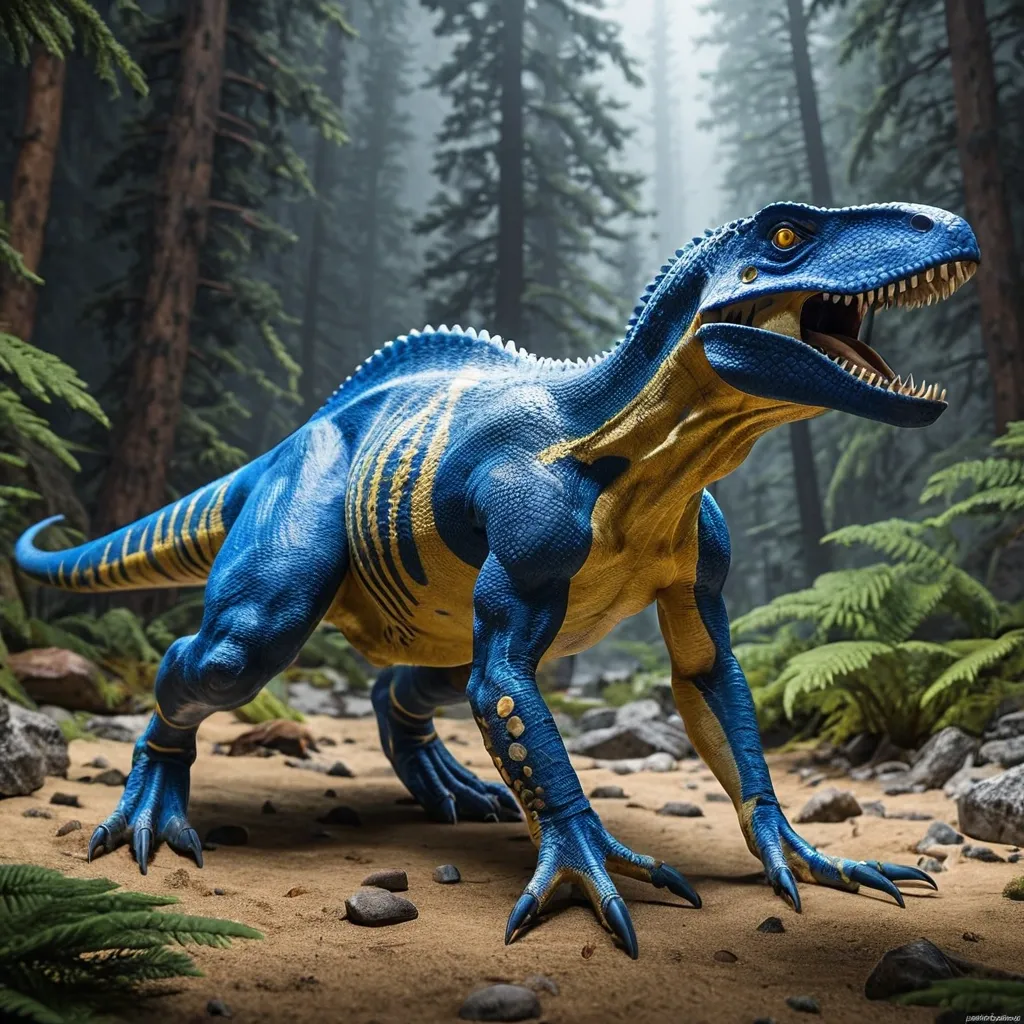
The hybrid was created by modifying the genome of a Tyrannosaurus rex , with the DNA of three other theropod species that were Utahraptor , Saurophaganax , and Giganotosaurus. Also the DNA of Quadrupes like Triceratops , and Scelidosaurus. DNA of modern animals such as Greater blue-ringed octopus , Inland Taipan , Northern Short-tailed Shrew , Komodo Dragon , Opossum , Mongoose , Ape , Whiptail Lizard , Cuttlefish , and Tardigrades. The genome of Tyrannosaurus rex , Triceratops and Giganotosaurus was used as the base genome for the hybrid. Including the shape of the head in some parts from Giganotosaurus and Triceratops. It also gave the Indominus rex an incredibly strong bite that could crush bulletproof glass. Utahraptor DNA was added for high levels of intelligence and the ability to make plans , decisions and pack hunting. Reduced hind legs and Ape DNA added Knuckle-walking Quadruped. Triceratops , and Scelidosaurus were added to act as a biological form of armor that absorbed most of the incoming attacks. Northern short-tailed shrew , the Inland taipan's retractable fangs and the Komodo Dragon DNA was used to form the teeth of the Indominus that were used to tear through the flesh and armor of opponents. Saurophaganax and Ape DNA added the presence of long strong arms with slashing hook claws and the use of tools. A swipe of the hybrid's claws would take down bigger opponents. While using tools for smaller elusive prey. Cuttlefish genes were intended to help the Venenosus withstand an accelerated growth , but it also added chromatophore cells in the skin so it could change the shape , color , and texture of its skin like a cuttlefish. Opossum , Mongoose and Tardigrades DNA was added for the Venenosus to be more resistant to climate changes , harmful toxins or bacterial infections , while tardigrades also added survival of extreme conditions such as exposure to extreme temperatures , extreme pressures , air deprivation , radiation , dehydration , and starvation. They have several defense mechanisms , including: A metabolic rate that gets as low as 0.01 percent of the normal rate. Organs protected by a sugary gel called trehalose. A protein that shields their DNA from radiation harm. Synthesis of cryoprotectant in chilly temperatures to prevent the development of ice crystals.Northern short-tailed shrew , the Inland Taipan , Greater blue-ringed octopus and the Komodo Dragon's DNA also added special cavities and glands in the skull that gave her infrared vision , and highly toxic saliva. Said DNA also gave her the ability to open her mandibles and jaws as wide as a snake , specifically at around 90 degrees.Lastly , DNA from a whiptail lizard was added for reproduction purposes. ,
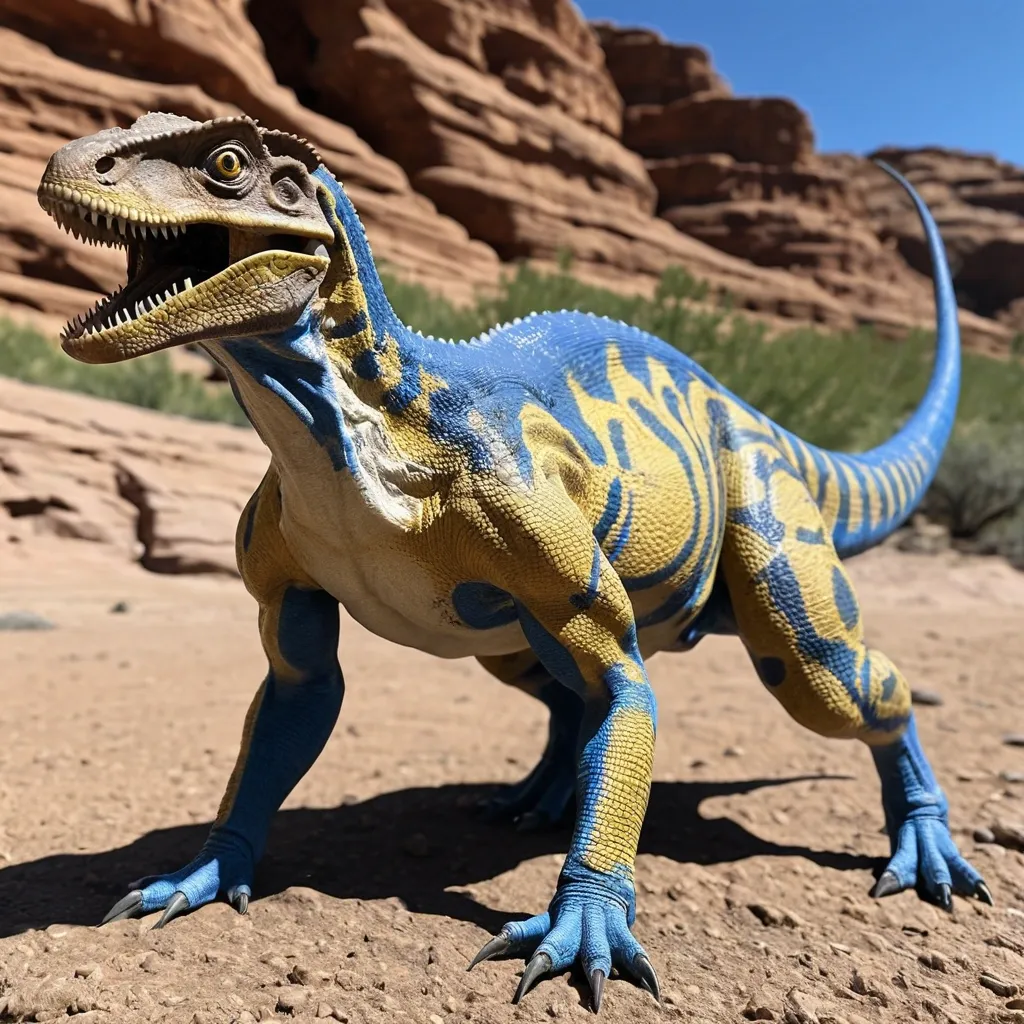
The hybrid was created by modifying the genome of a Tyrannosaurus rex , with the DNA of three other theropod species that were Utahraptor , Saurophaganax , and Giganotosaurus. Also the DNA of Quadrupes like Triceratops , and Scelidosaurus. DNA of modern animals such as Greater blue-ringed octopus , Inland Taipan , Northern Short-tailed Shrew , Komodo Dragon , Opossum , Mongoose , Ape , Whiptail Lizard , Cuttlefish , and Tardigrades. The genome of Tyrannosaurus rex , Triceratops and Giganotosaurus was used as the base genome for the hybrid. Including the shape of the head in some parts from Giganotosaurus and Triceratops. It also gave the Indominus rex an incredibly strong bite that could crush bulletproof glass. Utahraptor DNA was added for high levels of intelligence and the ability to make plans , decisions and pack hunting. Reduced hind legs and Ape DNA added Knuckle-walking Quadruped. Triceratops , and Scelidosaurus were added to act as a biological form of armor that absorbed most of the incoming attacks. Northern short-tailed shrew , the Inland taipan's retractable fangs and the Komodo Dragon DNA was used to form the teeth of the Indominus that were used to tear through the flesh and armor of opponents. Saurophaganax and Ape DNA added the presence of long strong arms with slashing hook claws and the use of tools. A swipe of the hybrid's claws would take down bigger opponents. While using tools for smaller elusive prey. Cuttlefish genes were intended to help the Venenosus withstand an accelerated growth , but it also added chromatophore cells in the skin so it could change the shape , color , and texture of its skin like a cuttlefish. Opossum , Mongoose and Tardigrades DNA was added for the Venenosus to be more resistant to climate changes , harmful toxins or bacterial infections , while tardigrades also added survival of extreme conditions such as exposure to extreme temperatures , extreme pressures , air deprivation , radiation , dehydration , and starvation. They have several defense mechanisms , including: A metabolic rate that gets as low as 0.01 percent of the normal rate. Organs protected by a sugary gel called trehalose. A protein that shields their DNA from radiation harm. Synthesis of cryoprotectant in chilly temperatures to prevent the development of ice crystals.Northern short-tailed shrew , the Inland Taipan , Greater blue-ringed octopus and the Komodo Dragon's DNA also added special cavities and glands in the skull that gave her infrared vision , and highly toxic saliva. Said DNA also gave her the ability to open her mandibles and jaws as wide as a snake , specifically at around 90 degrees.Lastly , DNA from a whiptail lizard was added for reproduction purposes. ,
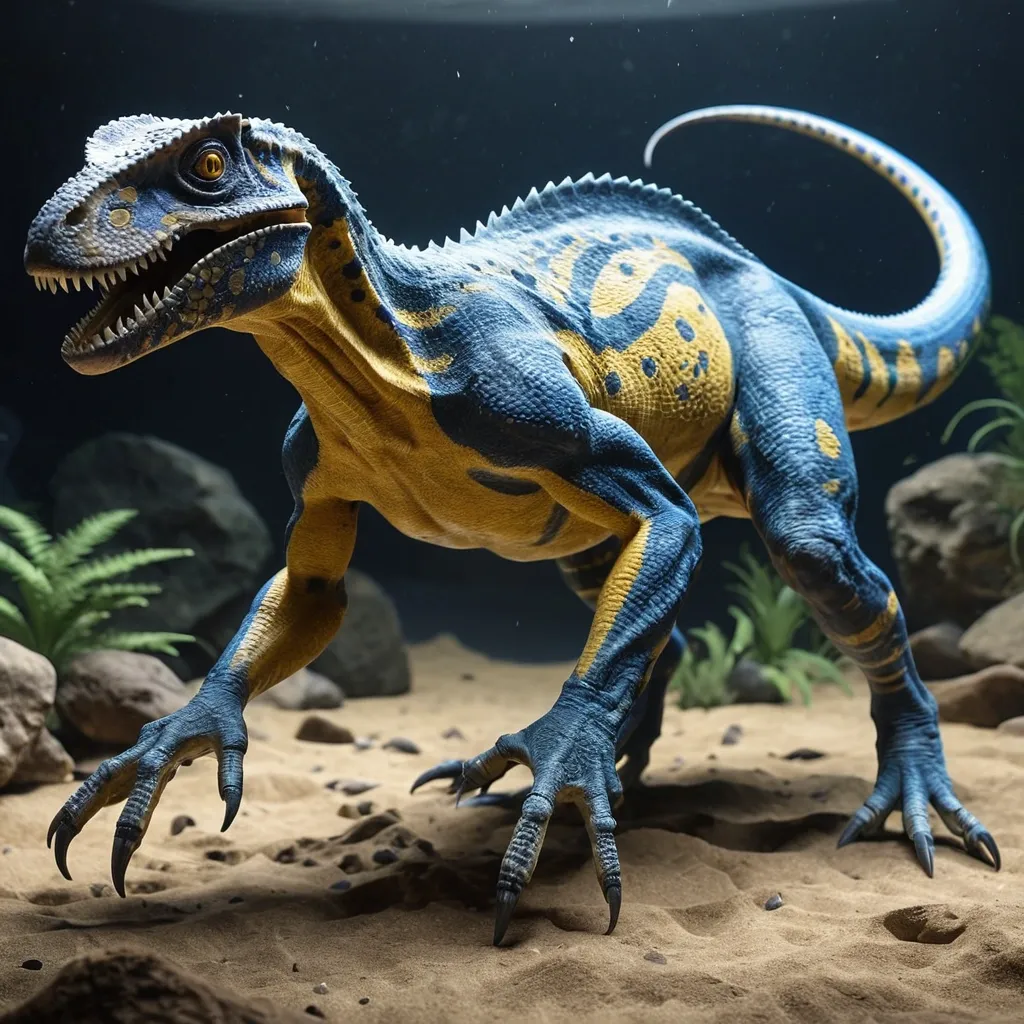
The hybrid was created by modifying the genome of a Tyrannosaurus rex , with the DNA of three other theropod species that were Utahraptor , Saurophaganax , and Giganotosaurus. Also the DNA of Quadrupes like Triceratops , and Scelidosaurus. DNA of modern animals such as Greater blue-ringed octopus , Inland Taipan , Northern Short-tailed Shrew , Komodo Dragon , Opossum , Mongoose , Ape , Whiptail Lizard , Cuttlefish , and Tardigrades. The genome of Tyrannosaurus rex , Triceratops and Giganotosaurus was used as the base genome for the hybrid. Including the shape of the head in some parts from Giganotosaurus and Triceratops. It also gave the Indominus rex an incredibly strong bite that could crush bulletproof glass. Utahraptor DNA was added for high levels of intelligence and the ability to make plans , decisions and pack hunting. Reduced hind legs and Ape DNA added Knuckle-walking Quadruped. Triceratops , and Scelidosaurus were added to act as a biological form of armor that absorbed most of the incoming attacks. Northern short-tailed shrew , the Inland taipan's retractable fangs and the Komodo Dragon DNA was used to form the teeth of the Indominus that were used to tear through the flesh and armor of opponents. Saurophaganax and Ape DNA added the presence of long strong arms with slashing hook claws and the use of tools. A swipe of the hybrid's claws would take down bigger opponents. While using tools for smaller elusive prey. Cuttlefish genes were intended to help the Venenosus withstand an accelerated growth , but it also added chromatophore cells in the skin so it could change the shape , color , and texture of its skin like a cuttlefish. Opossum , Mongoose and Tardigrades DNA was added for the Venenosus to be more resistant to climate changes , harmful toxins or bacterial infections , while tardigrades also added survival of extreme conditions such as exposure to extreme temperatures , extreme pressures , air deprivation , radiation , dehydration , and starvation. They have several defense mechanisms , including: A metabolic rate that gets as low as 0.01 percent of the normal rate. Organs protected by a sugary gel called trehalose. A protein that shields their DNA from radiation harm. Synthesis of cryoprotectant in chilly temperatures to prevent the development of ice crystals.Northern short-tailed shrew , the Inland Taipan , Greater blue-ringed octopus and the Komodo Dragon's DNA also added special cavities and glands in the skull that gave her infrared vision , and highly toxic saliva. Said DNA also gave her the ability to open her mandibles and jaws as wide as a snake , specifically at around 90 degrees.Lastly , DNA from a whiptail lizard was added for reproduction purposes. ,
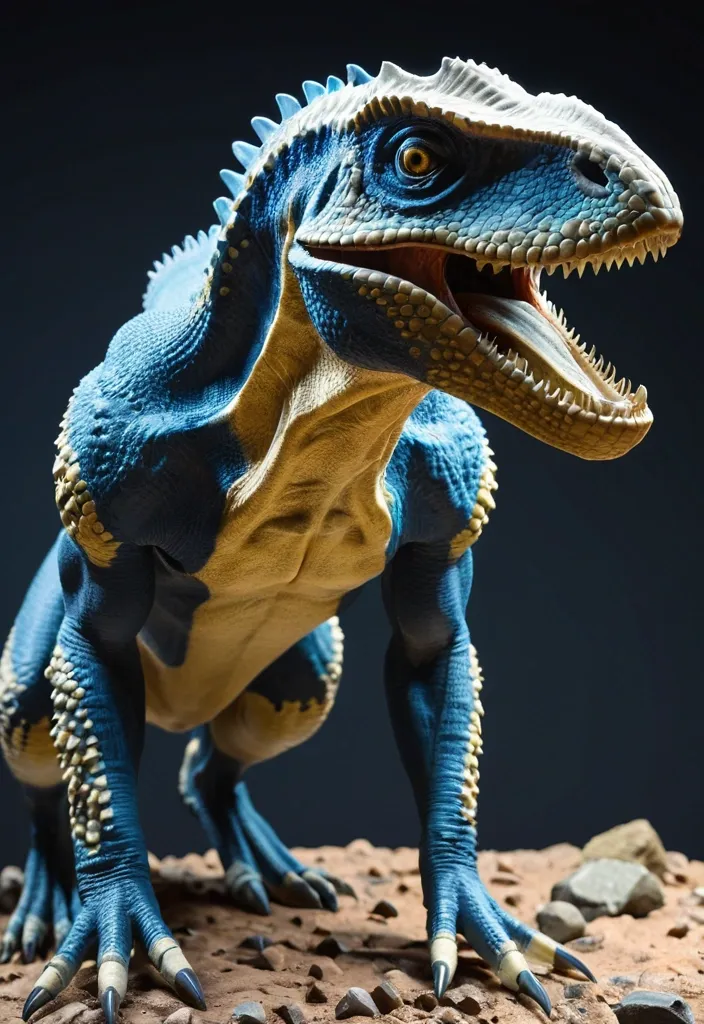
The hybrid was created by modifying the genome of a Tyrannosaurus rex , with the DNA of three other theropods. Known species that were included were Utahraptor , Saurophaganax , and Giganotosaurus. There was also the DNA of Quadrupes like Triceratops , and Scelidosaurus. DNA of modern animals such as Greater blue-ringed octopus , Inland Taipan , Northern Short-tailed Shrew , Komodo Dragon , Opossum , Mongoose , Ape , Whiptail Lizard , Cuttlefish , and Tardigrades. The genome of Tyrannosaurus rex , Triceratops and Giganotosaurus was used as the base genome for the hybrid. Including the shape of the head in some parts from Giganotosaurus and Triceratops. It also gave the Indominus rex an incredibly strong bite that could crush bulletproof glass. Utahraptor DNA was added for high levels of intelligence and the ability to make plans , decisions and pack hunting. Reduced hind legs and Ape DNA added Knuckle-walking Quadruped. Triceratops , and Scelidosaurus were added to act as a biological form of armor that absorbed most of the incoming attacks. Northern short-tailed shrew , the Inland taipan's retractable fangs and the Komodo Dragon DNA was used to form the teeth of the Indominus that were used to tear through the flesh and armor of opponents. Saurophaganax and Ape DNA added the presence of long strong arms with slashing hook claws and the use of tools. A swipe of the hybrid's claws would take down bigger opponents. While using tools for smaller elusive prey. Cuttlefish genes were intended to help the Venenosus withstand an accelerated growth , but it also added chromatophore cells in the skin so it could change the shape , color , and texture of its skin like a cuttlefish. Opossum , Mongoose and Tardigrades DNA was added for the Venenosus to be more resistant to climate changes , harmful toxins or bacterial infections , while tardigrades also added survival of extreme conditions such as exposure to extreme temperatures , extreme pressures , air deprivation , radiation , dehydration , and starvation. They have several defense mechanisms , including: A metabolic rate that gets as low as 0.01 percent of the normal rate. Organs protected by a sugary gel called trehalose. A protein that shields their DNA from radiation harm. Synthesis of cryoprotectant in chilly temperatures to prevent the development of ice crystals.Northern short-tailed shrew , the Inland Taipan , Greater blue-ringed octopus and the Komodo Dragon's DNA also added special cavities and glands in the skull that gave her infrared vision , and highly toxic saliva. Said DNA also gave her the ability to open her mandibles and jaws as wide as a snake , specifically at around 90 degrees.Lastly , DNA from a whiptail lizard was added for reproduction purposes. ,
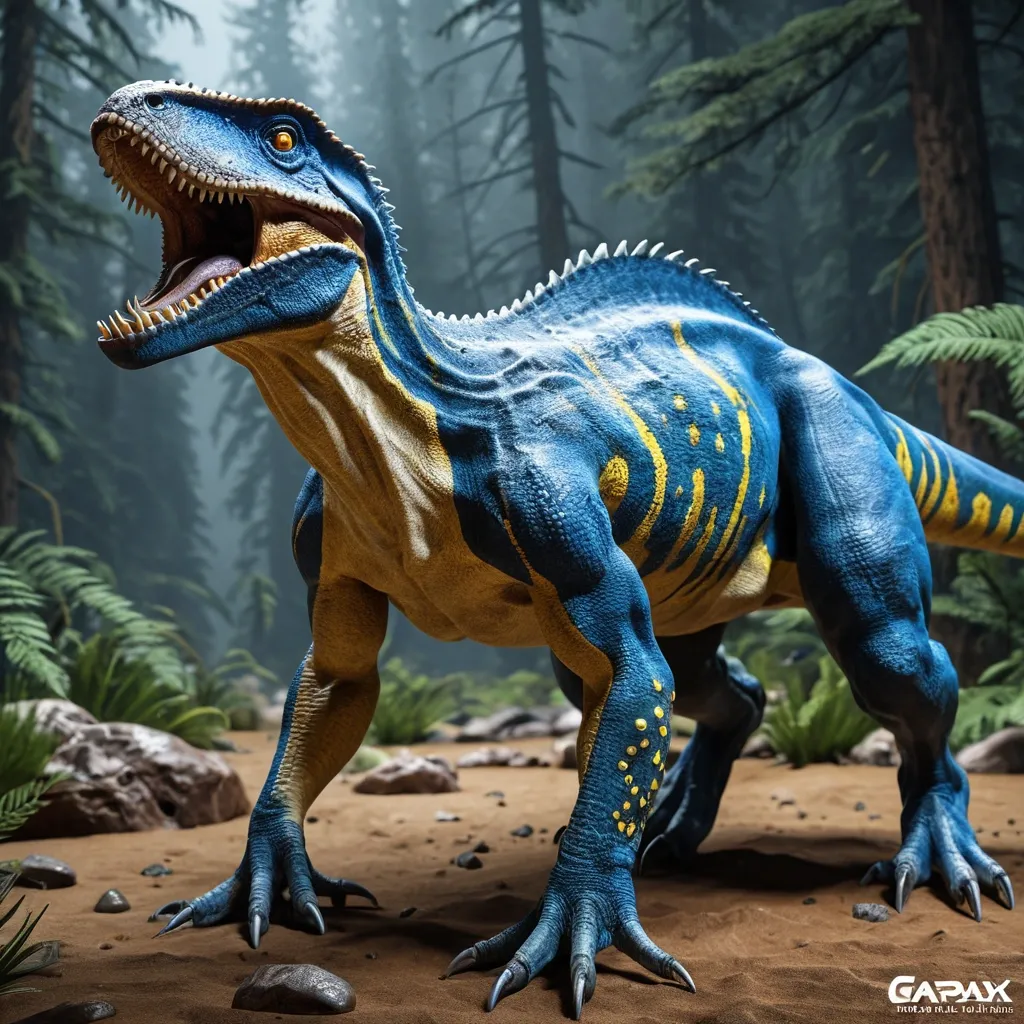
The hybrid was created by modifying the genome of a Tyrannosaurus rex , with the DNA of three other theropods. Known species that were included were Utahraptor , Saurophaganax , and Giganotosaurus. There was also the DNA of Quadrupes like Triceratops , and Scelidosaurus. DNA of modern animals such as Greater blue-ringed octopus , Inland Taipan , Northern Short-tailed Shrew , Komodo Dragon , Opossum , Mongoose , Ape , Whiptail Lizard , Cuttlefish , and Tardigrades. The genome of Tyrannosaurus rex , Triceratops and Giganotosaurus was used as the base genome for the hybrid. Including the shape of the head in some parts from Giganotosaurus and Triceratops. It also gave the Indominus rex an incredibly strong bite that could crush bulletproof glass. Utahraptor DNA was added for high levels of intelligence and the ability to make plans , decisions and pack hunting. Reduced hind legs and Ape DNA added Knuckle-walking Quadruped. Triceratops , and Scelidosaurus were added to act as a biological form of armor that absorbed most of the incoming attacks. Northern short-tailed shrew , the Inland taipan's retractable fangs and the Komodo Dragon DNA was used to form the teeth of the Indominus that were used to tear through the flesh and armor of opponents. Saurophaganax and Ape DNA added the presence of long strong arms with slashing hook claws and the use of tools. A swipe of the hybrid's claws would take down bigger opponents. While using tools for smaller elusive prey. Cuttlefish genes were intended to help the Venenosus withstand an accelerated growth , but it also added chromatophore cells in the skin so it could change the shape , color , and texture of its skin like a cuttlefish. Opossum , Mongoose and Tardigrades DNA was added for the Venenosus to be more resistant to climate changes , harmful toxins or bacterial infections , while tardigrades also added survival of extreme conditions such as exposure to extreme temperatures , extreme pressures , air deprivation , radiation , dehydration , and starvation. They have several defense mechanisms , including: A metabolic rate that gets as low as 0.01 percent of the normal rate. Organs protected by a sugary gel called trehalose. A protein that shields their DNA from radiation harm. Synthesis of cryoprotectant in chilly temperatures to prevent the development of ice crystals.Northern short-tailed shrew , the Inland Taipan , Greater blue-ringed octopus and the Komodo Dragon's DNA also added special cavities and glands in the skull that gave her infrared vision , and highly toxic saliva. Said DNA also gave her the ability to open her mandibles and jaws as wide as a snake , specifically at around 90 degrees.Lastly , DNA from a whiptail lizard was added for reproduction purposes. ,
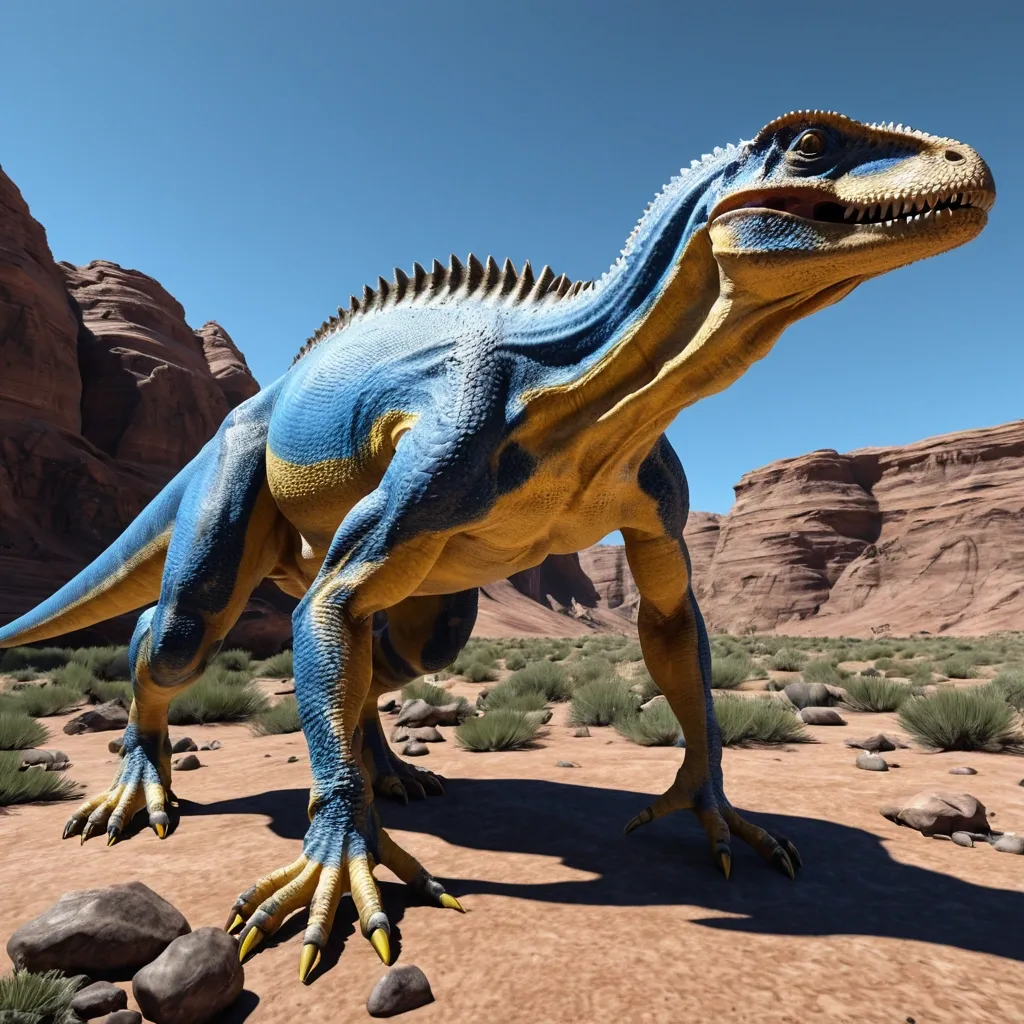
The hybrid was created by modifying the genome of a Tyrannosaurus rex , with the DNA of three other theropods. Known species that were included were Utahraptor , Saurophaganax , and Giganotosaurus. There was also the DNA of Quadrupes like Triceratops , and Scelidosaurus. DNA of modern animals such as Greater blue-ringed octopus , Inland Taipan , Northern Short-tailed Shrew , Komodo Dragon , Opossum , Mongoose , Ape , Whiptail Lizard , Cuttlefish , and Tardigrades. The genome of Tyrannosaurus rex , Triceratops and Giganotosaurus was used as the base genome for the hybrid. Including the shape of the head in some parts from Giganotosaurus and Triceratops. It also gave the Indominus rex an incredibly strong bite that could crush bulletproof glass. Utahraptor DNA was added for high levels of intelligence and the ability to make plans , decisions and pack hunting. Reduced hind legs and Ape DNA added Knuckle-walking Quadruped. Triceratops , and Scelidosaurus were added to act as a biological form of armor that absorbed most of the incoming attacks. Northern short-tailed shrew , the Inland taipan's retractable fangs and the Komodo Dragon DNA was used to form the teeth of the Indominus that were used to tear through the flesh and armor of opponents. Saurophaganax and Ape DNA added the presence of long strong arms with slashing hook claws and the use of tools. A swipe of the hybrid's claws would take down bigger opponents. While using tools for smaller elusive prey. Cuttlefish genes were intended to help the Venenosus withstand an accelerated growth , but it also added chromatophore cells in the skin so it could change the shape , color , and texture of its skin like a cuttlefish. Opossum , Mongoose and Tardigrades DNA was added for the Venenosus to be more resistant to climate changes , harmful toxins or bacterial infections , while tardigrades also added survival of extreme conditions such as exposure to extreme temperatures , extreme pressures , air deprivation , radiation , dehydration , and starvation. They have several defense mechanisms , including: A metabolic rate that gets as low as 0.01 percent of the normal rate. Organs protected by a sugary gel called trehalose. A protein that shields their DNA from radiation harm. Synthesis of cryoprotectant in chilly temperatures to prevent the development of ice crystals.Northern short-tailed shrew , the Inland Taipan , Greater blue-ringed octopus and the Komodo Dragon's DNA also added special cavities and glands in the skull that gave her infrared vision , and highly toxic saliva. Said DNA also gave her the ability to open her mandibles and jaws as wide as a snake , specifically at around 90 degrees.Lastly , DNA from a whiptail lizard was added for reproduction purposes. ,
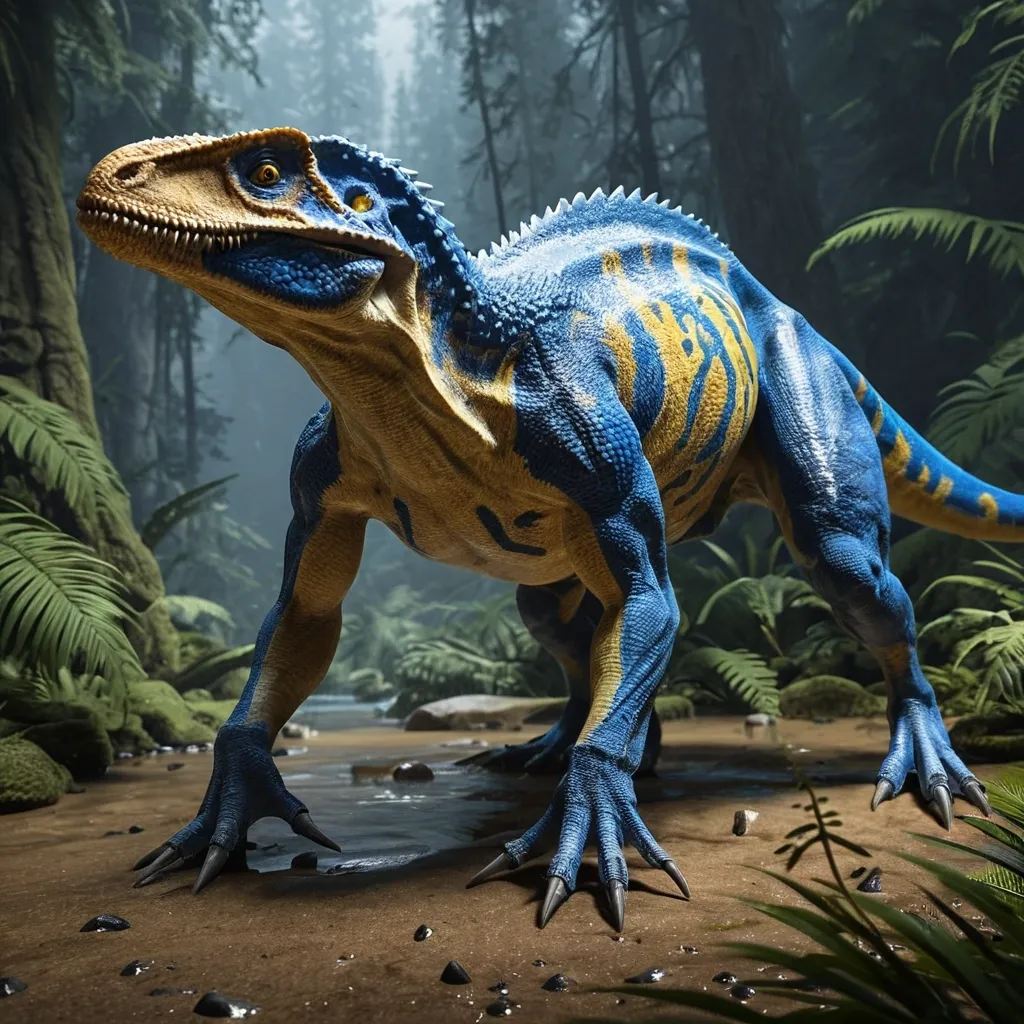
The hybrid was created by modifying the genome of a Tyrannosaurus rex , with the DNA of three other theropods. Known species that were included were Utahraptor , Saurophaganax , and Giganotosaurus. There was also the DNA of Quadrupes like Triceratops , and Scelidosaurus. DNA of modern animals such as Greater blue-ringed octopus , Inland Taipan , Northern Short-tailed Shrew , Komodo Dragon , Opossum , Mongoose , Ape , Whiptail Lizard , Cuttlefish , and Tardigrades. The genome of Tyrannosaurus rex , Triceratops and Giganotosaurus was used as the base genome for the hybrid. Including the shape of the head in some parts from Giganotosaurus and Triceratops. It also gave the Indominus rex an incredibly strong bite that could crush bulletproof glass. Utahraptor DNA was added for high levels of intelligence and the ability to make plans , decisions and pack hunting. Reduced hind legs and Ape DNA added Knuckle-walking Quadruped. Triceratops , and Scelidosaurus were added to act as a biological form of armor that absorbed most of the incoming attacks. Northern short-tailed shrew , the Inland taipan's retractable fangs and the Komodo Dragon DNA was used to form the teeth of the Indominus that were used to tear through the flesh and armor of opponents. Saurophaganax and Ape DNA added the presence of long strong arms with slashing hook claws and the use of tools. A swipe of the hybrid's claws would take down bigger opponents. While using tools for smaller elusive prey. Cuttlefish genes were intended to help the Venenosus withstand an accelerated growth , but it also added chromatophore cells in the skin so it could change the shape , color , and texture of its skin like a cuttlefish. Opossum , Mongoose and Tardigrades DNA was added for the Venenosus to be more resistant to climate changes , harmful toxins or bacterial infections , while tardigrades also added survival of extreme conditions such as exposure to extreme temperatures , extreme pressures , air deprivation , radiation , dehydration , and starvation. They have several defense mechanisms , including: A metabolic rate that gets as low as 0.01 percent of the normal rate. Organs protected by a sugary gel called trehalose. A protein that shields their DNA from radiation harm. Synthesis of cryoprotectant in chilly temperatures to prevent the development of ice crystals.Northern short-tailed shrew , the Inland Taipan , Greater blue-ringed octopus and the Komodo Dragon's DNA also added special cavities and glands in the skull that gave her infrared vision , and highly toxic saliva. Said DNA also gave her the ability to open her mandibles and jaws as wide as a snake , specifically at around 90 degrees.Lastly , DNA from a whiptail lizard was added for reproduction purposes. ,
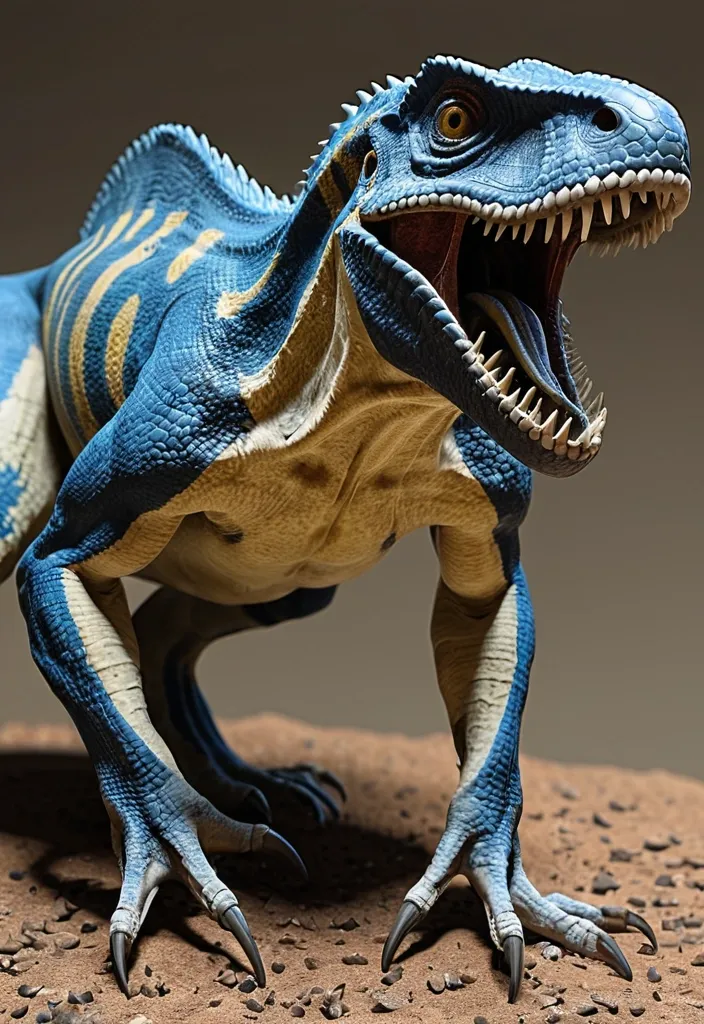
The hybrid was created by modifying the genome of a Tyrannosaurus rex , with the DNA of three other theropods. Known species that were included were Utahraptor , Saurophaganax , and Giganotosaurus. There was also the DNA of Quadrupes like Triceratops , and Scelidosaurus. DNA of modern animals such as Greater blue-ringed octopus , Inland Taipan , Northern Short-tailed Shrew , Komodo Dragon , Opossum , Mongoose , Ape , Whiptail Lizard , Cuttlefish , and Tardigrades. The genome of Tyrannosaurus rex , Triceratops and Giganotosaurus was used as the base genome for the hybrid. Including the shape of the head in some parts from Giganotosaurus and Triceratops. It also gave the Indominus rex an incredibly strong bite that could crush bulletproof glass. Utahraptor DNA was added for high levels of intelligence and the ability to make plans , decisions and pack hunting. Reduced hind legs and Ape DNA added Knuckle-walking Quadruped. Triceratops , and Scelidosaurus were added to act as a biological form of armor that absorbed most of the incoming attacks. Northern short-tailed shrew , the Inland taipan's retractable fangs and the Komodo Dragon DNA was used to form the teeth of the Indominus that were used to tear through the flesh and armor of opponents. Saurophaganax and Ape DNA added the presence of long strong arms with slashing hook claws and the use of tools. A swipe of the hybrid's claws would take down bigger opponents. While using tools for smaller elusive prey. Cuttlefish genes were intended to help the Venenosus withstand an accelerated growth , but it also added chromatophore cells in the skin so it could change the shape , color , and texture of its skin like a cuttlefish. Opossum , Mongoose and Tardigrades DNA was added for the Venenosus to be more resistant to climate changes , harmful toxins or bacterial infections , while tardigrades also added survival of extreme conditions such as exposure to extreme temperatures , extreme pressures , air deprivation , radiation , dehydration , and starvation. They have several defense mechanisms , including: A metabolic rate that gets as low as 0.01 percent of the normal rate. Organs protected by a sugary gel called trehalose. A protein that shields their DNA from radiation harm. Synthesis of cryoprotectant in chilly temperatures to prevent the development of ice crystals.Northern short-tailed shrew , the Inland Taipan , Greater blue-ringed octopus and the Komodo Dragon's DNA also added special cavities and glands in the skull that gave her infrared vision , and highly toxic saliva. Said DNA also gave her the ability to open her mandibles and jaws as wide as a snake , specifically at around 90 degrees.Lastly , DNA from a whiptail lizard was added for reproduction purposes. ,

In South Korea , beauty standards are influenced by traditional ideals , K-pop culture , and modern aesthetics. The general perception of beauty is often associated with youthful , delicate , and refined features. Here are some key characteristics: 1. Facial Features V-Shaped Jawline – A slim and well-defined jawline is considered attractive. Many people undergo cosmetic procedures to achieve this look. Big , Bright Eyes – Large eyes with double eyelids are preferred , often enhanced with makeup , eyelid surgery , or contact lenses. Small and High Nose – A straight or slightly upturned nose with a defined bridge is desirable. Clear and Flawless Skin – Pale , smooth , and blemish-free skin is a major beauty standard , often associated with skincare routines and treatments. 2. Body Features Slim Figure – A slender body with a small waist and long legs is highly valued. The "S-line" (curvy yet slim) and "11-line abs" (visible vertical abdominal lines) are often seen as ideal. Height Preference – Taller women are generally considered more attractive , though petite figures are also appreciated. 3. Makeup & Fashion Natural Makeup Look – A fresh and youthful "no-makeup" makeup style is common , emphasizing soft colors , dewy skin , and gradient lips. Trendy & Feminine Fashion – Korean beauty is often complemented by stylish and elegant clothing , with a focus on pastel colors and minimalistic designs. 4. Influence of K-pop & Media The popularity of K-pop idols and actresses has a strong influence on beauty trends. Celebrities such as IU , Suzy , and Jennie from BLACKPINK set the standard for modern beauty in Korea , leading many to adopt similar styles. While these beauty standards are widely recognized , there is a growing movement toward self-love and diversity , encouraging people to embrace their unique features. please make a short movie with this conditions , please. ,