Search Results for ample
Explore AI generated designs, images, art and prompts by top community artists and designers.


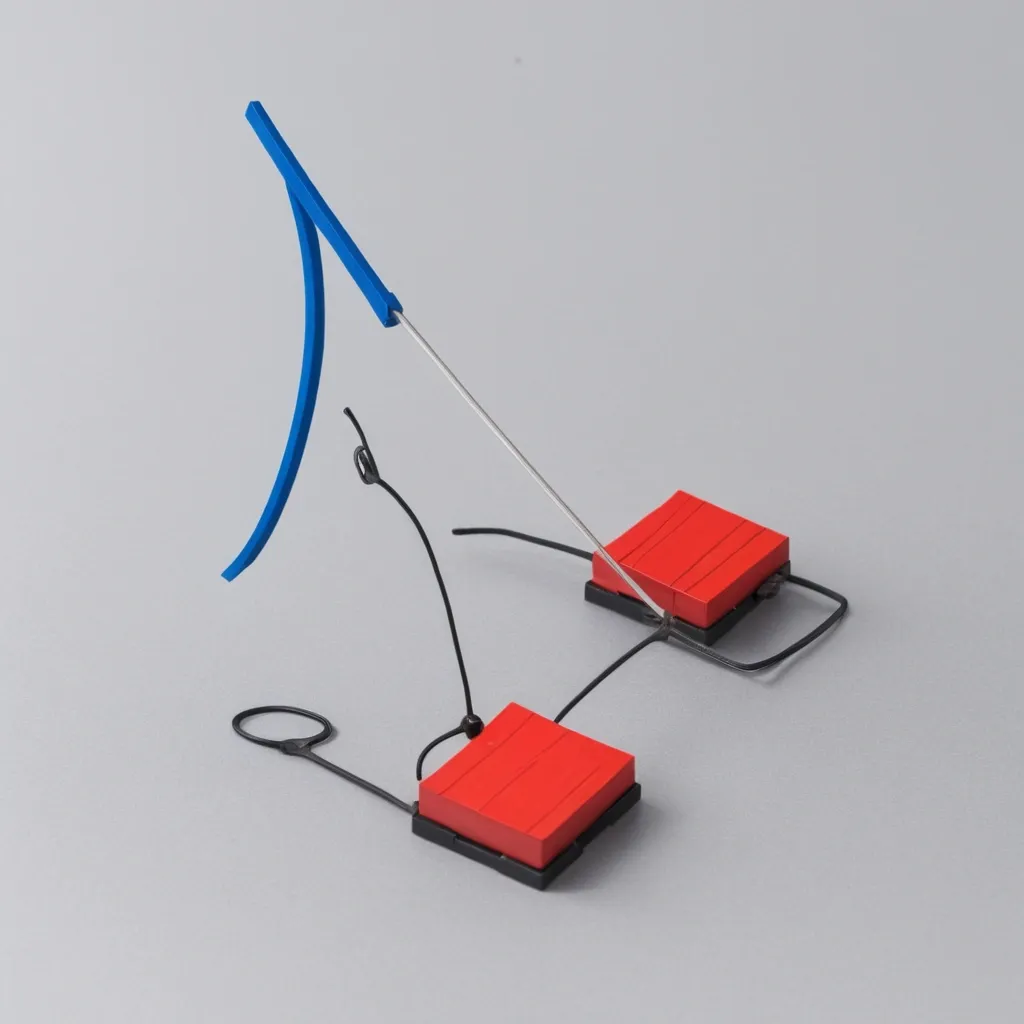
create a chart for 6 year old easy to draw explaining different forces and it s uses 1. Push What It Is: Moving something away from you. Example: 🖐️ Pushing a toy car. Use: Opening a door or sliding a chair. Visual: Drawing of a child pushing a swing. 2. Pull What It Is: Bringing something toward you. Example: 🚜 Pulling a wagon. Use: Closing a drawer or flying a kite. Visual: Drawing of a child pulling a rope. 3. Gravity What It Is: A force that pulls things down to Earth. Example: 🍎 An apple falling from a tree. Use: Keeps us on the ground so we don’t float away! Visual: Simple Earth with arrows pointing downward. 4. Friction What It Is: Slows things down when they rub together. Example: 🛑 Bike brakes stopping wheels. Use: Helps us walk without slipping. Visual: Shoes gripping the ground (textured lines). 5. Magnetic Force What It Is: Pulls metal objects (like iron). Example: � fridge magnet holding a drawing. Use: Toys stick to magnets! Visual: Magnet attracting paperclips. Design Tips: Use bright colors (e.g. , red for push , blue for pull). Add arrows to show direction (→ for push , ← for pull). Include simple icons (e.g. , 🖐️ , 🍎) for visual learners. Keep text short and in large , readable fonts. ,

A game-rendered tundra grassland viewed from a top-down perspective. The grass consists of golden-yellow and desaturated brown tones , with subtle variations in hue and saturation , creating a natural yet slightly stylized look. The texture appears soft and dry , with areas of denser grass blending into more sparse patches , where the underlying ground is faintly visible.The distribution of colors forms an organic pattern , with darker , slightly greenish patches near transitions to rocky or barren spots , while the main grassy areas retain a warm , windswept appearance. Some sections appear trampled or eroded , where the grass thins out , revealing a rougher , more muted surface beneath. The texture maintains a balance between chaotic natural randomness and structured , procedural rendering , making it ideal for generating tundra-like terrains. ,

A game-rendered tundra grassland viewed from a top-down perspective. The grass consists of golden-yellow and desaturated brown tones , with subtle variations in hue and saturation , creating a natural yet slightly stylized look. The texture appears soft and dry , with areas of denser grass blending into more sparse patches , where the underlying ground is faintly visible.The distribution of colors forms an organic pattern , with darker , slightly greenish patches near transitions to rocky or barren spots , while the main grassy areas retain a warm , windswept appearance. Some sections appear trampled or eroded , where the grass thins out , revealing a rougher , more muted surface beneath. The texture maintains a balance between chaotic natural randomness and structured , procedural rendering , making it ideal for generating tundra-like terrains. ,

A game-rendered tundra grassland viewed from a top-down perspective. The grass consists of golden-yellow and desaturated brown tones , with subtle variations in hue and saturation , creating a natural yet slightly stylized look. The texture appears soft and dry , with areas of denser grass blending into more sparse patches , where the underlying ground is faintly visible.The distribution of colors forms an organic pattern , with darker , slightly greenish patches near transitions to rocky or barren spots , while the main grassy areas retain a warm , windswept appearance. Some sections appear trampled or eroded , where the grass thins out , revealing a rougher , more muted surface beneath. The texture maintains a balance between chaotic natural randomness and structured , procedural rendering , making it ideal for generating tundra-like terrains. ,

A game-rendered tundra grassland viewed from a top-down perspective. The grass consists of golden-yellow and desaturated brown tones , with subtle variations in hue and saturation , creating a natural yet slightly stylized look. The texture appears soft and dry , with areas of denser grass blending into more sparse patches , where the underlying ground is faintly visible.The distribution of colors forms an organic pattern , with darker , slightly greenish patches near transitions to rocky or barren spots , while the main grassy areas retain a warm , windswept appearance. Some sections appear trampled or eroded , where the grass thins out , revealing a rougher , more muted surface beneath. The texture maintains a balance between chaotic natural randomness and structured , procedural rendering , making it ideal for generating tundra-like terrains. ,

A game-rendered tundra grassland viewed from a top-down perspective. The grass consists of golden-yellow and desaturated brown tones , with subtle variations in hue and saturation , creating a natural yet slightly stylized look. The texture appears soft and dry , with areas of denser grass blending into more sparse patches , where the underlying ground is faintly visible.The distribution of colors forms an organic pattern , with darker , slightly greenish patches near transitions to rocky or barren spots , while the main grassy areas retain a warm , windswept appearance. Some sections appear trampled or eroded , where the grass thins out , revealing a rougher , more muted surface beneath. The texture maintains a balance between chaotic natural randomness and structured , procedural rendering , making it ideal for generating tundra-like terrains. ,

A game-rendered tundra grassland viewed from a top-down perspective. The grass consists of golden-yellow and desaturated brown tones , with subtle variations in hue and saturation , creating a natural yet slightly stylized look. The texture appears soft and dry , with areas of denser grass blending into more sparse patches , where the underlying ground is faintly visible.The distribution of colors forms an organic pattern , with darker , slightly greenish patches near transitions to rocky or barren spots , while the main grassy areas retain a warm , windswept appearance. Some sections appear trampled or eroded , where the grass thins out , revealing a rougher , more muted surface beneath. The texture maintains a balance between chaotic natural randomness and structured , procedural rendering , making it ideal for generating tundra-like terrains. ,

A game-rendered tundra grassland viewed from a top-down perspective. The grass consists of golden-yellow and desaturated brown tones , with subtle variations in hue and saturation , creating a natural yet slightly stylized look. The texture appears soft and dry , with areas of denser grass blending into more sparse patches , where the underlying ground is faintly visible. The distribution of colors forms an organic pattern , with darker , slightly greenish patches near transitions to rocky or barren spots , while the main grassy areas retain a warm , windswept appearance. Some sections appear trampled or eroded , where the grass thins out , revealing a rougher , more muted surface beneath. The texture maintains a balance between chaotic natural randomness and structured , procedural rendering , making it ideal for generating tundra-like terrains. ,

A game-rendered tundra grassland viewed from a top-down perspective. The grass consists of golden-yellow and desaturated brown tones , with subtle variations in hue and saturation , creating a natural yet slightly stylized look. The texture appears soft and dry , with areas of denser grass blending into more sparse patches , where the underlying ground is faintly visible. The distribution of colors forms an organic pattern , with darker , slightly greenish patches near transitions to rocky or barren spots , while the main grassy areas retain a warm , windswept appearance. Some sections appear trampled or eroded , where the grass thins out , revealing a rougher , more muted surface beneath. The texture maintains a balance between chaotic natural randomness and structured , procedural rendering , making it ideal for generating tundra-like terrains. ,

A game-rendered tundra grassland viewed from a top-down perspective. The grass consists of golden-yellow and desaturated brown tones , with subtle variations in hue and saturation , creating a natural yet slightly stylized look. The texture appears soft and dry , with areas of denser grass blending into more sparse patches , where the underlying ground is faintly visible. The distribution of colors forms an organic pattern , with darker , slightly greenish patches near transitions to rocky or barren spots , while the main grassy areas retain a warm , windswept appearance. Some sections appear trampled or eroded , where the grass thins out , revealing a rougher , more muted surface beneath. The texture maintains a balance between chaotic natural randomness and structured , procedural rendering , making it ideal for generating tundra-like terrains. ,

A game-rendered tundra grassland viewed from a top-down perspective. The grass consists of golden-yellow and desaturated brown tones , with subtle variations in hue and saturation , creating a natural yet slightly stylized look. The texture appears soft and dry , with areas of denser grass blending into more sparse patches , where the underlying ground is faintly visible. The distribution of colors forms an organic pattern , with darker , slightly greenish patches near transitions to rocky or barren spots , while the main grassy areas retain a warm , windswept appearance. Some sections appear trampled or eroded , where the grass thins out , revealing a rougher , more muted surface beneath. The texture maintains a balance between chaotic natural randomness and structured , procedural rendering , making it ideal for generating tundra-like terrains. ,

A game-rendered tundra grassland viewed from a top-down perspective. The grass consists of golden-yellow and desaturated brown tones , with subtle variations in hue and saturation , creating a natural yet slightly stylized look. The texture appears soft and dry , with areas of denser grass blending into more sparse patches , where the underlying ground is faintly visible. The distribution of colors forms an organic pattern , with darker , slightly greenish patches near transitions to rocky or barren spots , while the main grassy areas retain a warm , windswept appearance. Some sections appear trampled or eroded , where the grass thins out , revealing a rougher , more muted surface beneath. The texture maintains a balance between chaotic natural randomness and structured , procedural rendering , making it ideal for generating tundra-like terrains. ,

A game-rendered tundra grassland viewed from a top-down perspective. The grass consists of golden-yellow and desaturated brown tones , with subtle variations in hue and saturation , creating a natural yet slightly stylized look. The texture appears soft and dry , with areas of denser grass blending into more sparse patches , where the underlying ground is faintly visible. The distribution of colors forms an organic pattern , with darker , slightly greenish patches near transitions to rocky or barren spots , while the main grassy areas retain a warm , windswept appearance. Some sections appear trampled or eroded , where the grass thins out , revealing a rougher , more muted surface beneath. The texture maintains a balance between chaotic natural randomness and structured , procedural rendering , making it ideal for generating tundra-like terrains. ,

A game-rendered tundra grassland viewed from a top-down perspective. The grass consists of golden-yellow and desaturated brown tones , with subtle variations in hue and saturation , creating a natural yet slightly stylized look. The texture appears soft and dry , with areas of denser grass blending into more sparse patches , where the underlying ground is faintly visible. The distribution of colors forms an organic pattern , with darker , slightly greenish patches near transitions to rocky or barren spots , while the main grassy areas retain a warm , windswept appearance. Some sections appear trampled or eroded , where the grass thins out , revealing a rougher , more muted surface beneath. The texture maintains a balance between chaotic natural randomness and structured , procedural rendering , making it ideal for generating tundra-like terrains. ,


Английский Картинка с человеком , который с большим трудом пытается понять сложную концепцию (например , персонаж с заблудшими глазами , стоящий перед огромной доской с уравнениями и диаграммами). Kartinka s chelovekom , kotoryy s bol'shim trudom pytayetsya ponyat' slozhnuyu kontseptsiyu (naprimer , personazh s zabludshimi glazami , stoyashchiy pered ogromnoy doskoy s uravneniyami i diagrammami). A picture of a person having great difficulty trying to understand a difficult concept (for example , a character with lost eyes standing in front of a huge board with equations and diagrams). ,


Английский Картинка с человеком , который с большим трудом пытается понять сложную концепцию (например , персонаж с заблудшими глазами , стоящий перед огромной доской с уравнениями и диаграммами). Kartinka s chelovekom , kotoryy s bol'shim trudom pytayetsya ponyat' slozhnuyu kontseptsiyu (naprimer , personazh s zabludshimi glazami , stoyashchiy pered ogromnoy doskoy s uravneniyami i diagrammami). A picture of a person having great difficulty trying to understand a difficult concept (for example , a character with lost eyes standing in front of a huge board with equations and diagrams). ,

Fairness means ensuring your analysis doesn't create or reinforce bias. This can be challenging , but if the analysis is not objective , the conclusions can be misleading and even harmful. In this reading , you’re going to explore some best practices you can use to guide your work toward a more fair analysis! Consider fairness Following are some strategies that support fair analysis: Best practice Explanation Example Consider all of the available data Part of your job as a data analyst is to determine what data is going to be useful for your analysis. Often there will be data that isn’t relevant to what you’re focusing on or doesn’t seem to align with your expectations. But you can’t just ignore it; it’s critical to consider all of the available data so that your analysis reflects the truth and not just your own expectations. A state’s Department of Transportation is interested in measuring traffic patterns on holidays. At first , they only include metrics related to traffic volumes and the fact that the days are holidays. But the data team realizes they failed to consider how weather on these holidays might also affect traffic volumes. Considering this additional data helps them gain more complete insights. Identify surrounding factors As you’ll learn throughout these courses , context is key for you and your stakeholders to understand the final conclusions of any analysis. Similar to considering all of the data , you also must understand surrounding factors that could influence the insights you’re gaining. A human resources department wants to better plan for employee vacation time in order to anticipate staffing needs. HR uses a list of national bank holidays as a key part of the data-gathering process. But they fail to consider important holidays that aren’t on the bank calendar , which introduces bias against employees who celebrate them. It also gives HR less useful results because bank holidays may not necessarily apply to their actual employee population. Include self-reported data Self-reporting is a data collection technique where participants provide information about themselves. Self-reported data can be a great way to introduce fairness in your data collection process. People bring conscious and unconscious bias to their observations about the world , including about other people. Using self-reporting methods to collect data can help avoid these observer biases. Additionally , separating self-reported data from other data you collect provides important context to your conclusions! A data analyst is working on a project for a brick-and-mortar retailer. Their goal is to learn more about their customer base. This data analyst knows they need to consider fairness when they collect data; they decide to create a survey so that customers can self-report information about themselves. By doing that , they avoid bias that might be introduced with other demographic data collection methods. For example , if they had sales associates report their observations about customers , they might introduce any unconscious bias the employees had to the data. Use oversampling effectively When collecting data about a population , it’s important to be aware of the actual makeup of that population. Sometimes , oversampling can help you represent groups in that population that otherwise wouldn’t be represented fairly. Oversampling is the process of increasing the sample size of nondominant groups in a population. This can help you better represent them and address imbalanced datasets. A fitness company is releasing new digital content for users of their equipment. They are interested in designing content that appeals to different users , knowing that different people may interact with their equipment in different ways. For example , part of their user-base is age 70 or older. In order to represent these users , they oversample them in their data. That way , decisions they make about their fitness content will be more inclusive. Think about fairness from beginning to end To ensure that your analysis and final conclusions are fair , be sure to consider fairness from the earliest stages of a project to when you act on the data insights. This means that data collection , cleaning , processing , and analysis are all performed with fairness in mind. A data team kicks off a project by including fairness measures in their data-collection process. These measures include oversampling their population and using self-reported data. However , they fail to inform stakeholders about these measures during the presentation. As a result , stakeholders leave with skewed understandings of the data. Learning from this experience , they add key information about fairness considerations to future stakeholder presentations. ,